12 Jan, 2026
Feel free to reach out to us.
12 Jan, 2026

This article is medically reviewed by Dr. Bhavisha Ghugare, Senior Consultant - Surgical Oncology & Breast Oncosurgery, HCG Cancer Centre, Borivali.
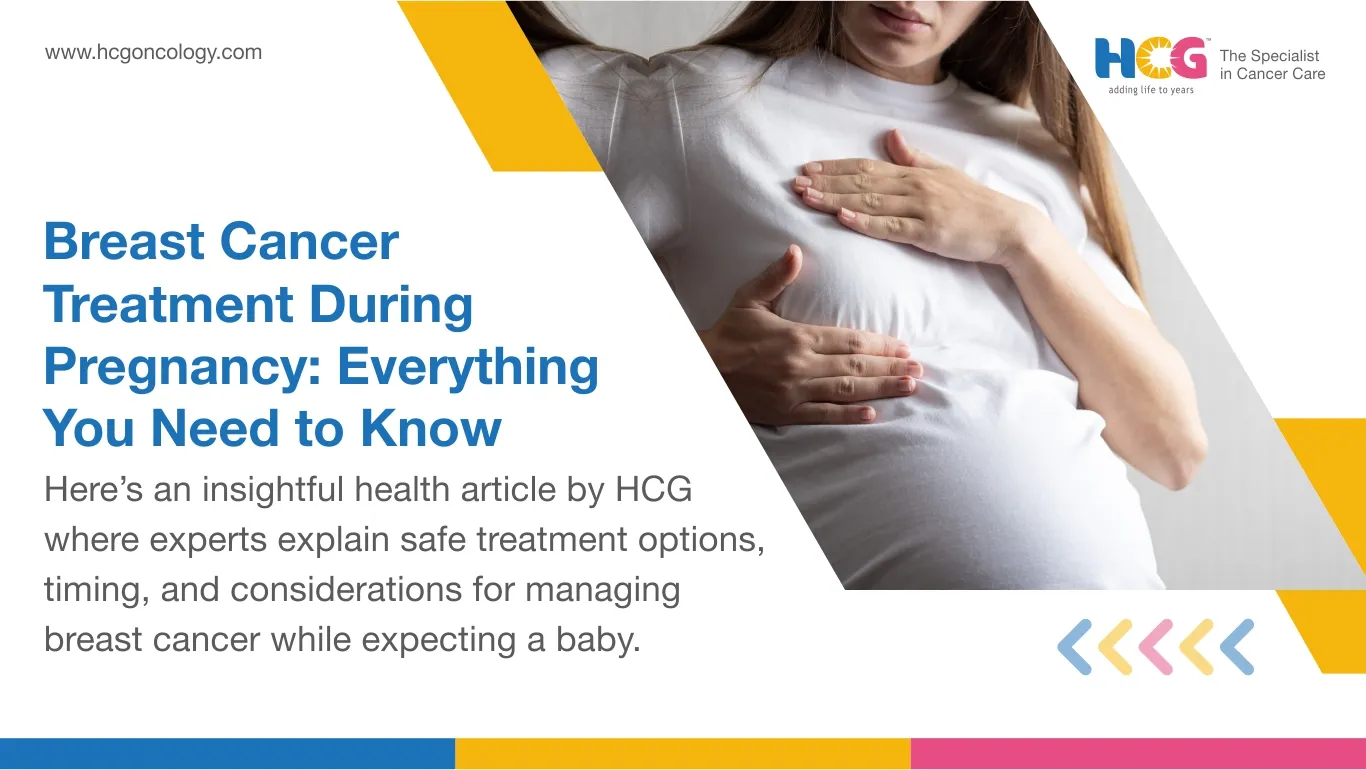
Undergoing breast cancer treatment during pregnancy demands a lot of planning, as both the mother's and the baby's lives are at stake.
Breasts undergo many changes during pregnancy, which can make the early detection of breast cancer difficult. Hence, it is important to be aware of early signs and symptoms and seek medical attention for effective management of breast cancer during pregnancy.
There are several modern treatment approaches available for treating breast cancer during pregnancy. Read this article to know about the crucial aspects of undergoing breast cancer treatment while pregnant.
Staging helps doctors figure out how much cancer has grown and how it might affect treatment for breast cancer during pregnancy.
Breast cancer treatments during pregnancy are planned based on the stage of cancer, the trimester that the mother is in, and the mother's health needs.
Understanding what causes breast cancer during pregnancy is crucial for effective treatment planning.
Changes in hormones may make breast cells more active, which could affect the growth of tumors if there are already abnormal cells present. The fullness and tenderness that come with pregnancy may hide early lumps, making them harder to detect.
Cancerous areola breast changes during pregnancy, like darkening of the nipple or swelling of the glands, can hide early signs of cancer. That said, many pregnant women develop breast cancer without any clear risk factors.
Additional Reading: How Can I Know if It Is Breast Cancer?
It is important for specialists to know what both the mother and baby need in order to safely plan breast cancer treatment during pregnancy.
While treating breast cancer during pregnancy, the medical team keeps a close eye on the health of the mother and the growth of the baby.
Treatment plans are changed as and when required to avoid problems and ensure that women receive safer breast cancer treatment while pregnant.
There are multiple treatments for breast cancer, and doctors may use more than one of them depending on the stage of the cancer and the patient's needs.
The following are the commonly considered breast cancer treatment options during pregnancy:
These breast cancer treatments are carefully chosen to ensure that the care is safe and effective.
To treat early-stage breast cancer during pregnancy, the following are the options:
Radiation therapy for breast cancer is usually not recommended during pregnancy.
In pregnant women with late-stage breast cancer, the treatment plan focuses on controlling the disease while also protecting the fetus's development.
Surgery: Surgery may still be an option to remove or shrink the tumor, especially if it alleviates symptoms and complications.
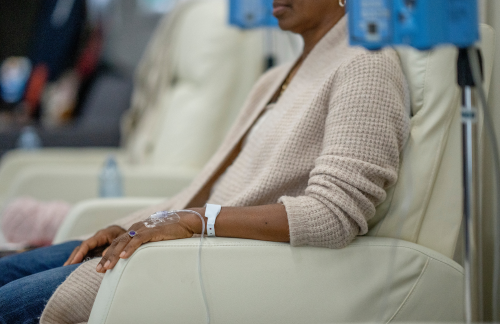
Chemotherapy: After the first trimester, chemotherapy during pregnancy becomes an important part of treatment. It uses drugs that are safe for the developing fetus. Chemotherapy and surgery keep cancer from spreading until more treatments can begin after the delivery.
In some cases, doctors may suggest an early delivery if the baby is mature enough and the mother needs treatments that aren't safe during pregnancy.
Whether or not you can breastfeed while receiving treatments for breast cancer depends on the drugs you're taking and when you're getting them. If a woman has had surgery and is not yet getting any other treatment, she can safely breastfeed. Chemotherapy drugs used in breast cancer treatment, on the other hand, can get into breast milk, which can be hazardous for babies' health.
When treating breast cancer during pregnancy or shortly after childbirth, physicians frequently advise discontinuing breastfeeding to avert exposure to chemotherapy or other systemic therapies.
If only one breast has been surgically treated, the other breast may still produce milk, but a doctor should help you make this choice. Breastfeeding may be possible again after treatment is over and the medicines have left the body. Your care team will give you personalized advice based on your treatment plan, the medicine you're taking, and your baby's health needs.
Most studies indicate that children exposed to chemotherapy during pregnancy after the first trimester grow and develop normally. The drugs used at this stage don't affect the early stages of organ formation, which lowers the chance of serious problems.
That said, the following are some of the possible long-term effects seen among children when the mother receives breast cancer treatment during pregnancy:
Regular prenatal checkups ensure the early detection of any developmental problems. After the baby is born, pediatricians keep an eye on the child's health to ensure its proper growth.
In general, research shows that safely treating breast cancer during pregnancy doesn't usually cause long-term health problems, but each case is watched closely.
Close medical supervision and regular prenatal care are the first steps to keeping your baby safe while you get breast cancer treatment.
Dos:
Don'ts:
Mothers can benefit from their treatment plan when they stay informed and ask questions.
Working closely with the medical team ensures that both the mother and the baby receive the best and safest care possible.
Answering another important question, "Is anesthesia safe during pregnancy?" Yes, it is safe when administered as per the protocol. Patients hardly report any issues with anesthesia. Anesthesia is commonly recommended during lumpectomy and mastectomy, which are two commonly recommended surgical options for breast cancer. Hospitals will usually have experienced anesthesiologists who specialize in ensuring patient safety and comfort throughout the surgery.
When specialists plan treatment based on the trimester and stage of the cancer, it is safe to treat breast cancer during pregnancy. In most cases, it is possible to treat breast cancer effectively without putting the baby's health at risk. Early diagnosis gives you more options, and close monitoring makes sure that both the mother and child stay safe during treatment. When you notice changes in your breasts, talking to your doctor right away helps them evaluate you and give you personalized care.
Dr. Bhavisha Ghugare
Senior Consultant - Surgical Oncology & Breast Oncosurgery
MBBS, MS (General Surgery), Fellowship in Breast Cancer Surgery
Dr. Bhavisha Ghugare is a highly experienced breast cancer consultant and oncoplastic surgeon with over 16 years of experience. She is available for consultations at HCG Cancer Centre, a well-known cancer hospital in Borivali, Mumbai. She specializes in breast surgical oncology, and her areas of expertise include family history risk assessment, genetic testing, and breast screening, as well as breast conservation surgery, skin-sparing mastectomies, and prophylactic mastectomies. In addition, she is committed to caring for patients with benign and malignant diseases, as well as educating young women on how to reduce their risk of breast cancer.
Appointment Link: Book an Appointment with Dr. Bhavisha Ghugare.