01 Apr, 2026
Feel free to reach out to us.
01 Apr, 2026
Soft tissue sarcoma is a term covering a group of rare malignant tumors that develop in the body’s connective tissues, including skeletal muscle, smooth muscle, fat, blood vessels, lymphatic vessels, peripheral nerves, and the tissue lining joints. These tumors arise from mesenchymal cells present throughout the body. According to a Global Burden of Disease 2021 analysis, soft tissue sarcoma cases worldwide increased from approximately 54,600 in 1990 to over 96,200 by 2021. The condition accounts for around 1% of all adult cancers but can appear at any age. Many early-stage tumors are painless and go unnoticed for months. When symptoms do appear, they often involve a growing lump or pressure on nearby structures. Diagnosis requires imaging and a tissue biopsy.
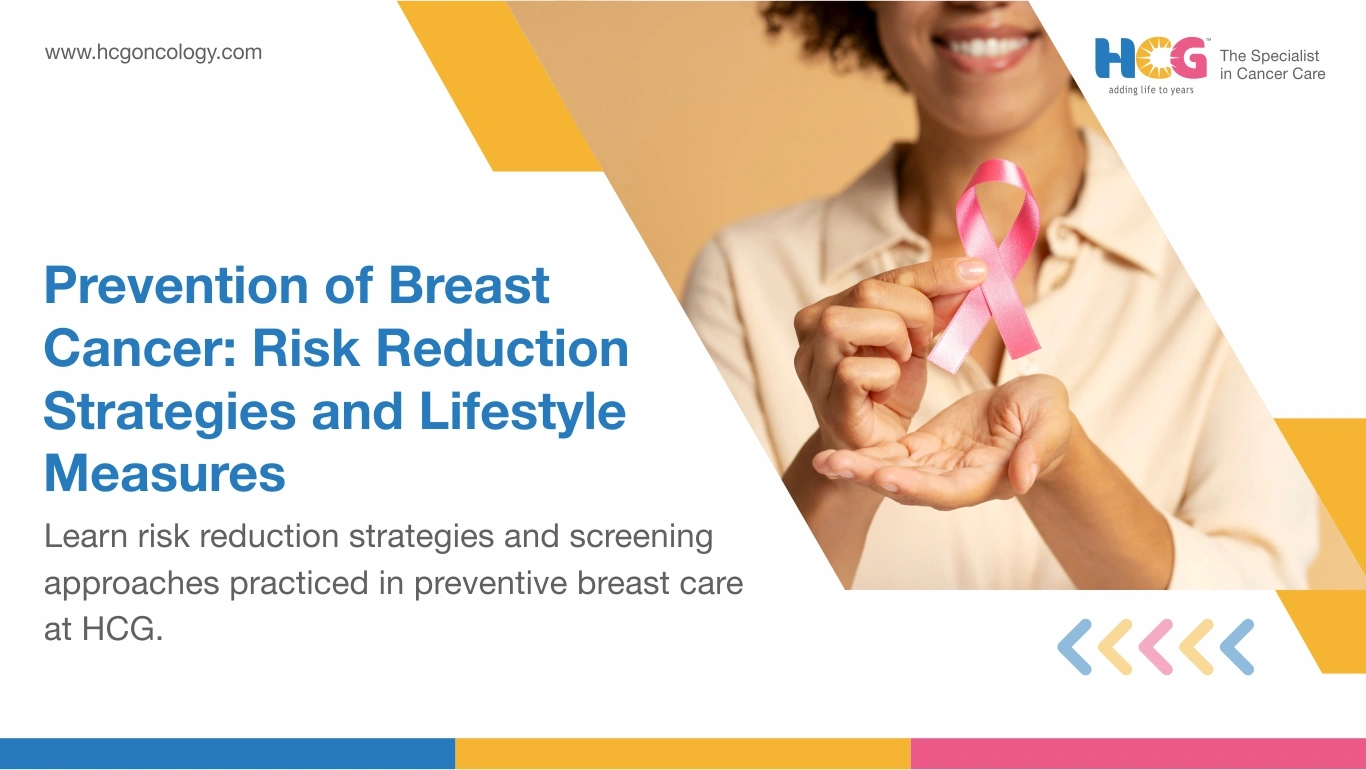
A practical starting point is understanding that breast cancer risk factors fall into two groups.
Non-modifiable factors are those a person is born with or cannot alter: age, biological sex, inherited gene variants, family history, timing of first menstruation, and age at menopause. Modifiable factors are shaped by choices, habits, and medical decisions.
| Modifiable Risk Factors | Non-Modifiable Risk Factors |
|---|---|
| Physical inactivity | Age (risk increases with age) |
| Excess body weight, especially after menopause | Biological sex (female) |
| Alcohol consumption | Family history of breast or ovarian cancer |
| Long-term combined hormone therapy | Inherited gene variants (BRCA1, BRCA2) |
| Smoking | Dense breast tissue |
| Breastfeeding (protective if chosen) | Early menstruation or late menopause |
| Prior abnormal biopsy findings |
Regular exercise is one of the most consistently studied factors in the prevention of breast cancer. Research published in Cancer Medicine (2024) found that five hours per week of moderate-intensity activity was associated with measurable risk reduction. Proposed mechanisms include hormonal regulation, reduced inflammation, and support for a healthy weight.
Maintaining a healthy body weight is associated with lower breast cancer risk, particularly after menopause. Excess body fat can raise circulating estrogen levels, and since certain breast cancers are estrogen-sensitive, sustained higher exposure over years is a contributing factor.
Limiting alcohol intake is a commonly highlighted modifiable factor. Even moderate regular consumption has been associated with elevated risk in multiple studies. The CDC advises choosing not to drink, or drinking in moderation, as part of risk reduction.
For women who choose and are able to breastfeed, evidence suggests a modest protective association related to hormonal changes during lactation that temporarily reduce estrogen exposure.
Smoking cessation is recommended across all health contexts. Some research links smoking to elevated breast cancer risk, particularly in women who begin at a younger age.
Prolonged exposure to certain hormones across a lifetime is a recognized risk factor. Combined hormone therapy, using both estrogen and progestin and commonly prescribed for menopausal symptoms, has been associated with elevated breast cancer risk when used over extended periods.
Certain combined oral contraceptives may also carry slightly elevated risk while in use, though this tends to diminish after stopping. No decision about hormonal medication should be based solely on cancer risk without reviewing the full clinical picture with a doctor.
BRCA1 and BRCA2 are genes involved in repairing damaged DNA. When a person carries a harmful variant in either, this repair function may be impaired, allowing abnormal cell growth to progress more easily. Carrying such a variant raises the lifetime risk of breast and ovarian cancer significantly.
Genetic testing may be recommended for women with a strong family history where multiple close relatives have had breast or ovarian cancer, or where cancer occurred at a young age. Referral to a genetic counselor is the appropriate starting point. For confirmed high-risk women, doctors may discuss chemoprevention or, in carefully selected cases, risk-reducing surgery. Both decisions require thorough specialist consultation.
Screening mammography is a low-dose breast X-ray that detects tissue changes before symptoms appear. It does not prevent breast cancer from forming. Risk reduction strategies lower the probability of cancer starting; screening looks for it if it has. Regular mammography is recommended based on age and risk level. Women at higher risk may start earlier, screen more frequently, or add MRI. Remaining aware of how your breasts normally look and feel and reporting any change promptly is relevant for all women.
Reducing breast cancer risk is not about achieving certainty. It is about informed choices that accumulate into meaningful benefit through daily habits and, where relevant, specialist medical support.
At HCG, cancer care is built on a patient-first, evidence-based approach. For women with a personal or family history that raises concern, a multidisciplinary team can support clinical assessment, genetic counselling referral, and personalized guidance.
A conversation with your doctor is the most useful next step.
Practical steps to consider:
Disclaimer This information is intended to educate patients and caregivers. It does not replace professional medical advice. All treatment decisions should be made in consultation with a qualified doctor.