18 Feb, 2026
Feel free to reach out to us.
18 Feb, 2026
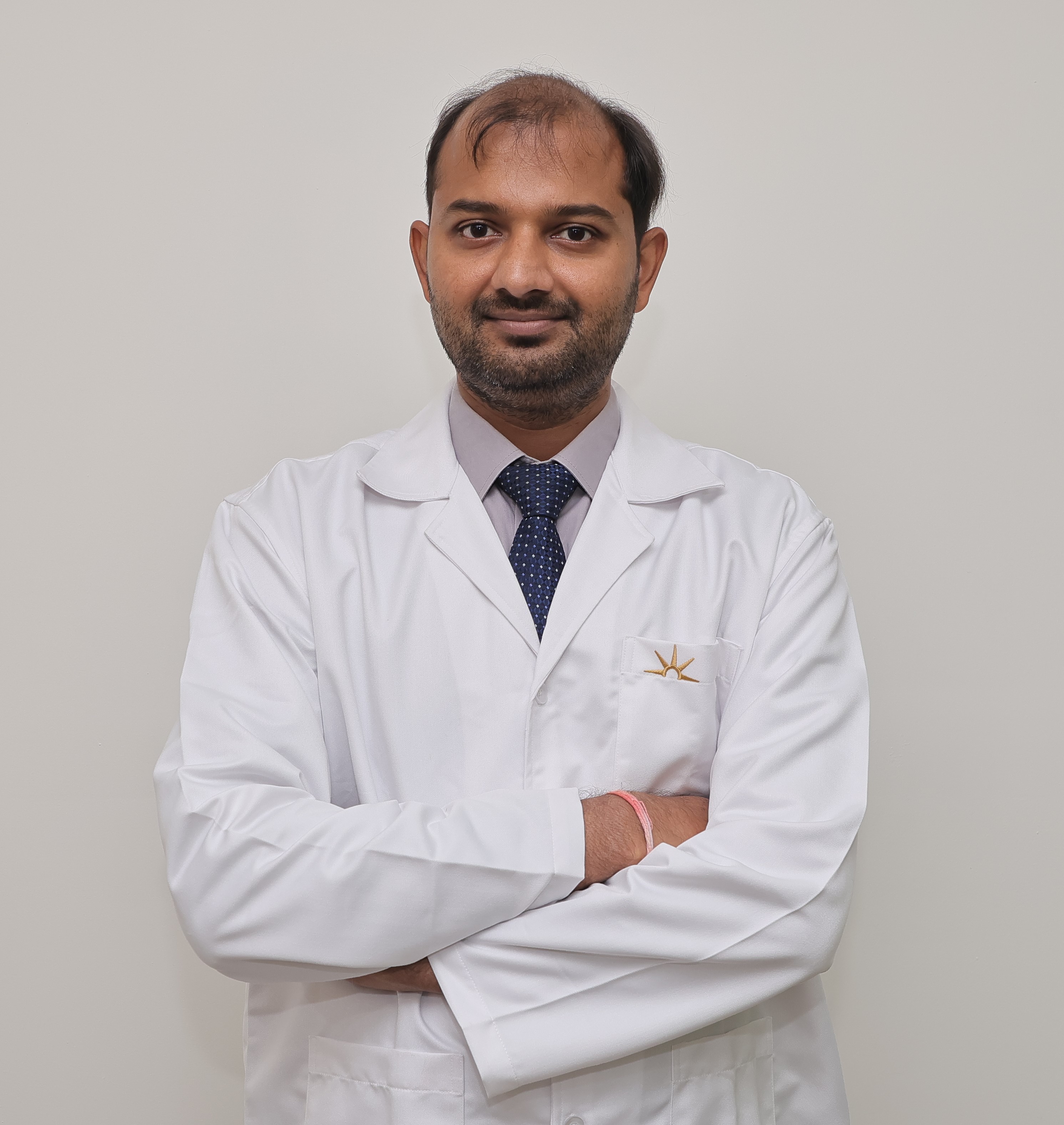
This article is medically reviewed by Dr. Nayan Gupta, Consultant - Surgical Oncology, HCG Cancer Centre, Indore.
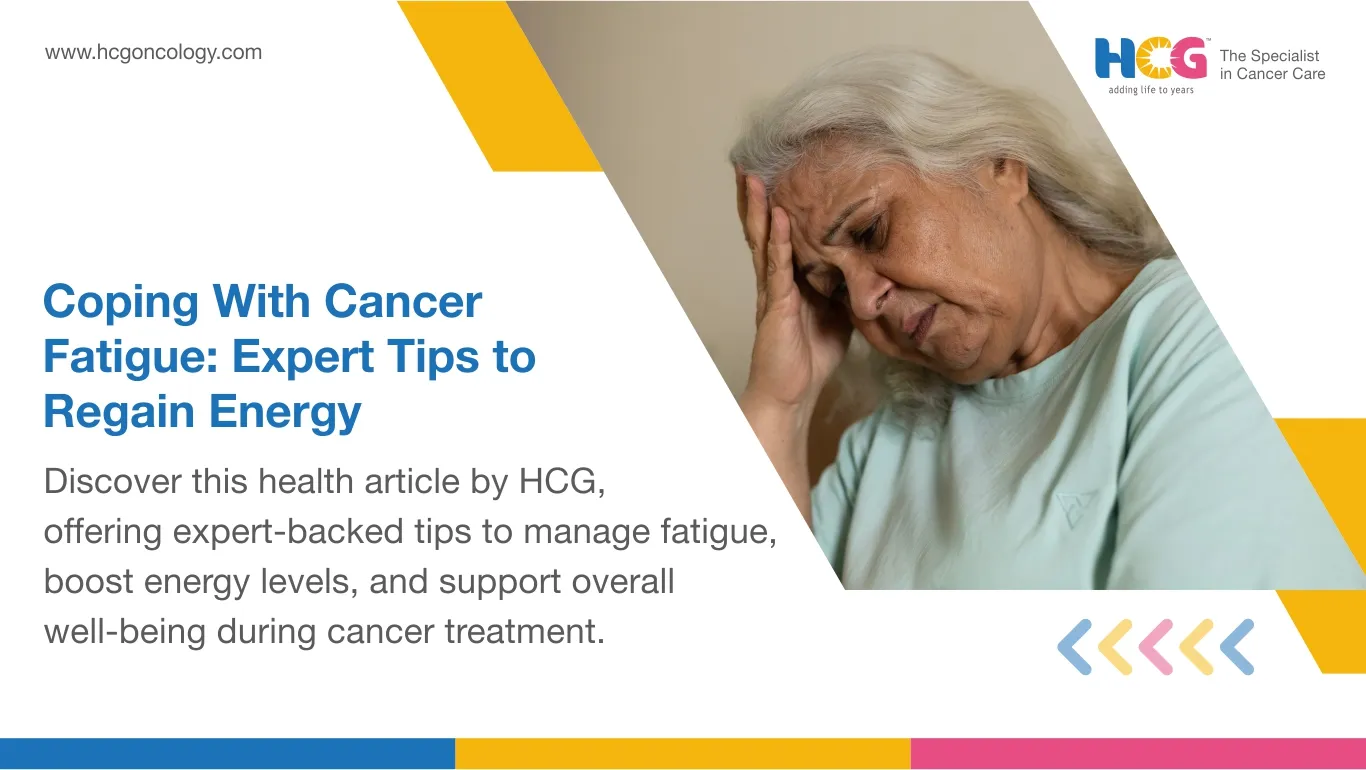
Fatigue during cancer treatment is a very common side effect; however, it can sometimes be overwhelming for patients. It is often referred to as cancer fatigue or cancer-related fatigue (CRF).
Cancer fatigue doesn't improve with rest like normal tiredness does, and it can affect day-to-day activities, sleep, and overall quality of life. It could be caused by the cancer itself, treatments like chemotherapy or radiation, stress, or trouble sleeping.
If cancer patients understand cancer fatigue and how it affects them during their cancer journey, they can plan strategies to manage it effectively.
People with cancer-related fatigue often feel like they are deeply and constantly worn out, even though they haven't done much physical activity.
Patients say it makes them feel tired all over, which makes it hard for them to think clearly, move around easily, or stay motivated.
Cancer fatigue can make patients feel like their muscles are weak, they don't have as much energy, and they have trouble carrying out simple tasks.
Cancer fatigue can present suddenly, last all day, and get worse during treatment cycles. Such tiredness can also be associated with emotional stress caused by cancer and its treatment.
Cancer-related fatigue can be caused by the disease itself, its treatments, or a mix of physical and emotional factors.
The body uses a lot of energy when it is fighting cancer. Cancer treatments are found to affect sleep, appetite, and hormone levels, and these factors may contribute to cancer fatigue.
Side effects from treatment can also make you feel tired all the time.
The following are some of the factors that can lead to cancer fatigue:
Almost every cancer patient experiences cancer fatigue at different stages of their cancer journey. However, in some cases, it can become serious. Patients should take cancer fatigue seriously when it starts affecting their routine activities, their interaction with others, and even just their being.
If you're so tired that you can't do simple things, focus, or stay awake during normal activities, it could be a sign of a more serious medical problem. If you suddenly feel weak, dizzy, or short of breath; lose weight intentionally; or have trouble taking care of yourself, see a doctor immediately.
You shouldn't ignore fatigue that lasts for days without getting better or getting worse over time. If you feel confused, faint, have a rapid heartbeat, or bleed unusually, you should tell someone right away.
In some cases, extreme tiredness may be a sign of an infection or metabolic problem that needs to be treated right away.
These are some of the cancer-related fatigue symptoms that you should pay attention to and seek necessary medical attention for.
Coping with cancer fatigue or cancer weakness needs a personalized approach, as cancer fatigue is experienced differently by different patients. Some patients may experience mild fatigue, while others may experience fatigue so severe that they need medical interventions.
The key to managing cancer fatigue effectively lies in simple strategies and also knowing when to see a doctor for necessary care and support.
The following are a few helpful strategies that can aid you in managing your cancer fatigue:
Don't try to do more than one thing at once; keeping your mind clear means focusing on one thing at a time.
HCG Cancer Hospital provides full cancer care with cutting-edge tests, individualized treatment plans, and a team of specialists from different fields. The hospital uses evidence-based protocols and the latest technology to get better results while keeping patients from getting too tired from treatment.
In addition to our core services, nutrition counseling, physiotherapy, and psycho-oncology are available as integrated support services offered to make sure each patient gets complete care that is right for them. Support services play a very important role in managing cancer-related fatigue and other symptoms seen during cancer treatment.
Cancer fatigue is a complicated and often overwhelming symptom that affects people in different ways. Knowing what causes it, when it worsens, and how to manage it can greatly improve your quality of life during and after treatment. There are multiple healthy coping strategies that can help cancer patients manage their fatigue and general weakness effectively. These measures allow patients to take charge of their health and safely navigate their treatment.
Most people can slowly get their strength back with the right help, changes to their lifestyle, and medical care. Hospitals like HCG offer a full range of services that help with both cancer and side effects of treatment, like tiredness. HCG's personalized care plans help patients feel sure about their treatment journey. Seeking immediate medical attention when fatigue becomes severe ensures prompt detection and treatment of any underlying issues.
HCG Aastha Cancer Centre, Ahmedabad
HCG Cancer Centre, K. R. Road, Bangalore
HCG Cancer Centre, D. R. Road, Bangalore
HCG Cancer Centre, Borivali
HCG ICS Khubchandani Cancer Centre, Colaba
HCG Cancer Centre, Kolkata
HCG Cancer Centre, Nagpur
HCG Cancer Centre, Indore
HCG Cancer Centre, Vadodara
HCG Cancer Centre, Jaipur
HCG Manavata Cancer Centre, Nashik
HCG - Abdur Razzaque Ansari Cancer Hospital, Ranchi
HCG Panda Cancer Hospital, Cuttack
HCG MNR Cancer Centre, Ongole
HCG Cancer Centre, Visakhapatnam
HCG Cancer Centre, Vijayawada
HCG NMR Cancer Centre, Hubli
HCG Cancer Centre, Kalaburagi
Dr. Nayan Gupta
Consultant - Surgical Oncology
MBBS, MS (General Surgery), MCh (Surgical Oncology).
Dr. Nayan Gupta is a skilled and adept surgical oncologist specializing in treating and managing head and neck cancer, and he can be consulted at HCG Cancer Centre, one of the best cancer hospitals in Indore. Additionally, Dr. Gupta has specialized expertise in head and neck oncology and endoscopic and open thyroid surgery through his fellowship training at the reputed institutes of Antoni Van Leeuwenhoek Hospital, Netherlands Cancer Institute (Netherlands), and the National Hospital of Endocrinology (Vietnam). He specializes in advanced oral cancer surgeries, skull-base surgeries, laryngeal preservation surgeries, endoscopic thyroid and parathyroid surgeries, and reconstruction surgeries. He also has a special interest in managing breast cancer, GI cancer, gynecological cancer, and bone and soft tissue cancers.
Dr. Gupta places the utmost importance on his patients' overall well-being, tailoring their treatments to meet their unique care needs.
Appointment Link: Book an Appointment with Dr. Nayan Gupta.