18 Feb, 2026
Feel free to reach out to us.
18 Feb, 2026
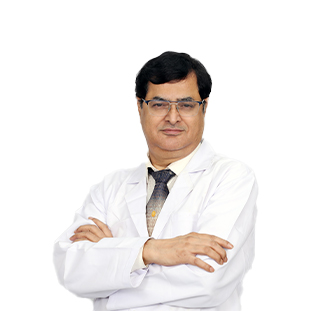
This article is medically reviewed by Dr. S. Bhattacharjee, Senior Consultant - Radiation Oncology, HCG Cancer Hospital, Bangalore.
There is one thing everyone should know when it comes to cancer, and that is, “no two cancers are the same, and no two patients with the same type of cancer are the same.” In other words, cancer is a complicated illness that affects each person differently, and therefore, the treatment approach will also be different for each patient.
Managing cancer well means more than just picking one treatment. It also means understanding how the disease works, assessing the patient's overall health, and devising a treatment strategy that helps patients return to the best state of health possible.
Cancer care has changed over the years, moving from standardized, less personalized treatment decisions to a multidisciplinary, evidence-based approach in which experts from different fields work together to determine what's best for each patient.
At HCG Cancer Centre, a leading cancer hospital in India, we embrace the multidisciplinary care method to deliver comprehensive cancer care for our patients.
Read this article until the end to find out about the multidisciplinary tumor board at HCG, its functions, the importance of multidisciplinary care in cancer management, and how patients can benefit from choosing HCG for cancer treatment.
Additional Reading:What is Cancer? Types, Symptoms & Treatments | HCGMultidisciplinary tumor board, or tumor board, refers to a meeting where different types of cancer cases, from rare to complicated, are discussed in the presence of specialists from multiple disciplines.
The primary objective of these meetings is to collectively decide on the best treatment course for a patient.
The multidisciplinary care is not an extra feature at HCG; it is how we treat cancer.
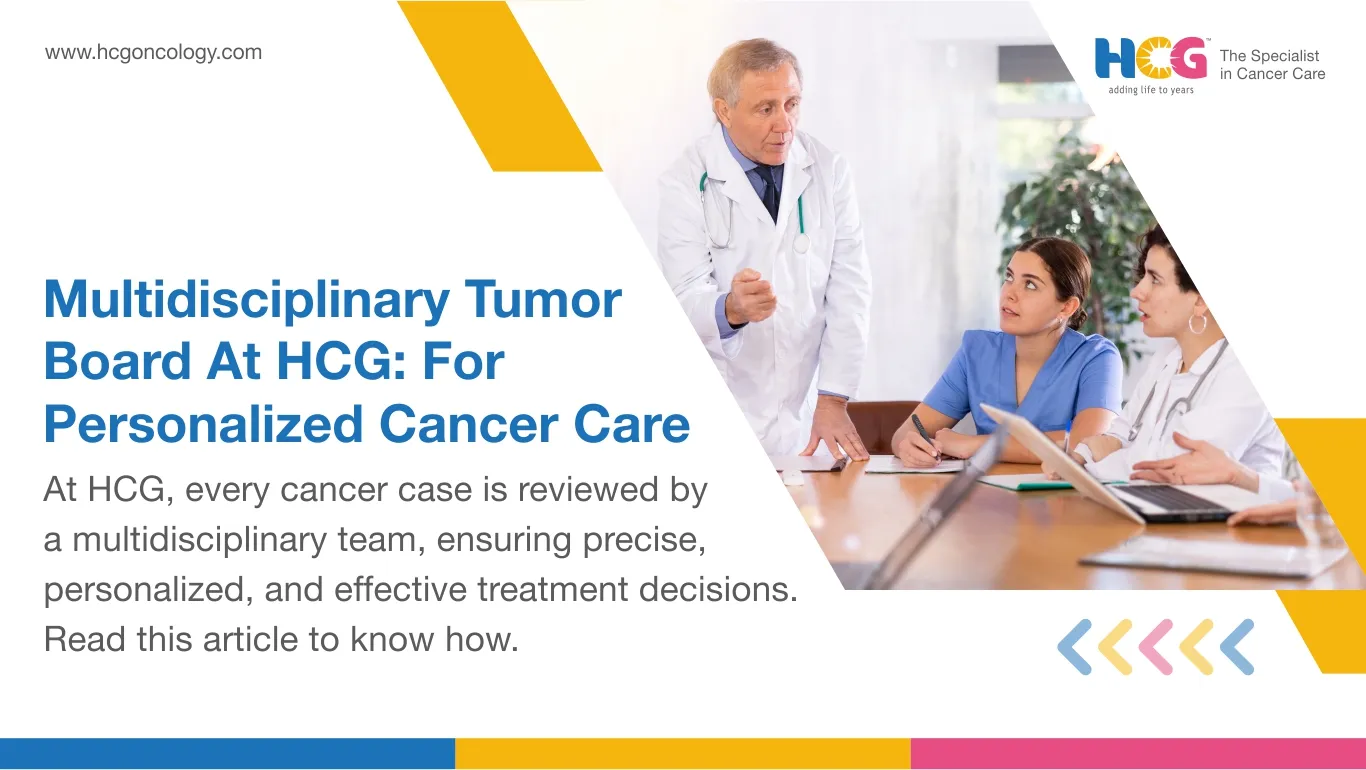
We host weekly tumor board meetings, also known as multidisciplinary tumor boards, where doctors from across the HCG network spanning 20+ cities in India join to discuss various cancer cases to come up with the best possible treatment plan for them.
Over 350-400 oncologists virtually join this meeting to discuss cancer cases in-depth, to have a deeper understanding of cancer as a disease, and to brainstorm for treatment strategies that improve outcomes.
These meetings are led by Dr. B.S. Ajaikumar, the non-executive chairman of HealthCare Global Enterprises Ltd. and a celebrated oncologist in India, and Dr. Bhattacharjee, Head of Medical Services at HealthCare Global Enterprises Ltd.
At HCG's Tumor Board, professionals assess the diagnostic imaging, biopsy data, genetic markers, and various patient health indicators before recommending a treatment plan. This approach makes sure that decisions are based on the knowledge of many different fields, not just one.
Recognized as the most prestigious tumor board in India, HCG's Tumor Board serves as a central platform for customized treatment planning for cancer cases and exploring unique treatment strategies for challenging and rare cases through multidisciplinary knowledge-sharing and continuous learning.
At HCG's Tumor Board, our specialists:
1. Present complex cases and treatment outcomes
2. Share success stories from their respective HCG units across the country
3. Discuss recurrent cases to develop novel treatment strategies
4. Ensure continuous learning and enhanced treatment precision
The following are the different types of cancer cases discussed at HCG's tumor board:
Several factors make HCG's multidisciplinary tumor board stand out in terms of communication, clarity, and care delivery.
The following are the key features of the multidisciplinary tumor board at HCG:
HCG uses the latest diagnostic tools, like digital pathology, AI-assisted imaging, and molecular profiling, to facilitate data-driven decision-making, which is crucial to achieving better treatment results.
Precision diagnostics let the tumor board look at cancer at the molecular level, which makes it possible to make very specific treatment recommendations that are in line with global standards.
By facilitating treatment through modern technologies, such as Ethos Adaptive Radiation Therapy, CyberKnife Radiotherapy, da Vinci (Xi/X) robotic surgery, Radixact X9 TomoTherapy, and others, our specialists strive to deliver accurate treatment for all major types of cancer.
There are many different kinds of professionals in each MDT conference, including medical oncologists, radiation oncologists, surgical oncologists, pathologists, radiologists, molecular biologists, and palliative care specialists.
This collaboration is crucial for ensuring that all clinical and nonclinical factors that affect patient outcomes are taken into consideration.
The one-size-fits-all approach does not work for cancer. The more organ-specific and customized the approach is, the better it is.
HCG's Tumor Board looks at cases based on the type of organ they affect. For example, professionals who specialize in breast, lung, head and neck, or gastrointestinal cancer will review the respective cases.
At HCG, we have dedicated departments for specific organ systems, and our specialists are globally trained at managing them with fewer complications.
This makes sure that the recommendations are more targeted and meet the individual health needs of patients.
HCG's goal is not only to extend life but also to make it better. Value-based care entails putting the most important outcomes for patients first, such as survival, function, the quality of life, and overall well-being.
The MDT framework cuts down on duplicate work, which leads to care that is ethical, cost-effective, and focused on the patient.
HCG's Virtual Tumor Board is a place where professionals from across the HCG network can talk to one another online.
This can benefit patients from faraway places or even other countries who can get the same interdisciplinary insights that patients who are already in one of HCGs centers get.
The virtual setup also makes it possible to get faster consultations and comprehensive second opinions from tumor board doctors without any problems with logistics.
To learn more about a multidisciplinary cancer team consultation, please reach out to HCG.
“Who reviews my reports in a tumor board?”
This is one of the most common questions asked by cancer patients, according to our specialists. Below is the team structure of our multidisciplinary tumor board at HCG:
1. Surgical Oncologists:To evaluate if surgery/tumor removal is possible for a particular case; to plan organ preservation and organ reconstruction surgeries (in case the organ is removed).
2. Radiation Oncologists:To assess if radiation therapy is the right treatment for this case and to plan treatments in such a way that there is minimal damage to healthy tissues.
3. Medical Oncologists:To look at the pros and cons of chemotherapy, targeted therapy, and immunotherapy, and assess the effectiveness of combinational treatments.
4. Hemato-oncologists and BMT Specialists:To plan treatments for hematological cancers through various approaches, including bone marrow transplant.
5. Radiologists and Nuclear Medicine Experts:To look over high-resolution images obtained through imaging tests, stage the disease, and plan radiation and other treatments.
6. Pathologists:To confirm the histopathological and molecular levels of different tumor markers and provide an assessment of the functions of different organs.
7. Psycho-oncology Experts:To help cancer patients manage their emotional distress during and after treatment effectively through healthy coping strategies.
8. Onco-dieticians:To provide nutritional counseling and diet suggestions that can help patients manage various treatment-induced side effects and maintain their physical strength and energy levels during treatment.
9. Rehabilitation Specialists:To help patients who have undergone surgery, organ removal, organ reconstruction, and other treatments that affect normal function to regain their ability to perform day-to-day activities.
10. Pain Management Specialists:To create effective pain management strategies for patients dealing with disease and treatment-related pain and discomfort.
11. Organ-specific Oncologists:To provide recommendations for treatment of organ-specific cancers, symptom management, side effect management, and post-treatment care.
There will be a tumor board coordinator to make sure that all departments can communicate with each other easily and keep records for tracking cases.
The tumor board meetings at HCG begin with a detailed presentation of the case at hand; it includes the patient's clinical history, diagnostic findings, imaging, and lab results.
Every aspect is spoken about in detail throughout the session, including the tumor stage, grade, molecular profile, performance status, comorbidities, and patient goals, in order to ensure that no piece of information related to this case is missed.
Taking every parameter into consideration helps doctors arrive at a decision that is going to help patients in the best way possible.
Once the evaluation is complete, the tumor board creates a single treatment plan based on the opinions and perspectives of all the team members, and everyone agrees to the plan devised.
These treatment recommendations are discussed with patients and included in their care plan.
Our specialists follow the global oncology recommendations to ensure that our treatment quality is on par with the international treatment standards.
Patients are involved in their own care. After the MDT makes its recommendations, oncologists go over the treatment options, what to expect from them, and any possible adverse effects in great detail.
This openness creates trust and helps patients choose the best care for themselves.
Patient follow-ups and clinical outcomes keep track of how each MDT suggestion affects patients.
The information from these reviews is utilized to make protocols better, which makes sure that care delivery keeps getting better.
This is how a tumor board helps in cancer treatment.
Multidisciplinary care, or interdisciplinary care, is a specialized cancer care approach wherein doctors from different specialties work together to devise a treatment plan that addresses the specific health needs of patients and helps them return to the best state of health possible.
Generally, a multidisciplinary team at a cancer hospital comprises surgical oncologists, radiation oncologists, medical oncologists, radiologists, pathologists, nurses, counselors, rehabilitation specialists, pain management specialists, and more. These are not just different disciplines but also different aspects of a comprehensive cancer treatment plan.
Each doctor shares their perspective about the case and possible treatment options for it, and this will eventually lead to the development of a treatment plan that not only focuses on improving the survival rates but also the quality of life after.
Multidisciplinary care ensures that all aspects of a patient's cancer journey, from diagnosis and staging to treatment and recovery, are addressed with evidence-based and patient-focused approaches.
Unlike before, today, we have a myriad of treatment options for cancer that don't just focus on treatment outcomes and recovery but also on the safety, comfort, and overall well-being of patients.
Treatment approaches for cancer could be unimodal (only one treatment type) or multimodal (more than one treatment type), depending on the individual case parameters.
Different approaches recommended for cancer include surgery, radiation therapy, and systemic treatments, such as chemotherapy, targeted therapy, or immunotherapy.
Since there are multiple treatment options for cancer patients today, there are dangers of them receiving fragmented care or undergoing unnecessary medical procedures. Therefore, they need to look for a care provider whose approach is individualized to the specific needs of each patient.
In cancer care, the multidisciplinary approach becomes important for the following reasons:
1. Careful Consideration:The case is reviewed from multiple angles, and the pros and cons of each treatment approach are carefully assessed before a treatment plan is created.
2. Enhanced Precision:The multidisciplinary approach allows for more targeted and precise treatment.
3. Better Treatment Coordination:Bringing different specialists together allows for better treatment planning and scheduling, streamlined treatment workflows, and, most importantly, helps avoid delays or overlaps.
4. Efficient Decision-Making Process:The multidisciplinary approach makes the decision-making process more efficient, reducing the risk of adverse events or complications and improving the overall health outcomes.
5. More Holistic Approach to Cancer Management:The multidisciplinary approach allows specialists to treat the patient and not just the case. The care plan is always holistic with a special focus on the psychological, nutritional, and rehabilitative aspects for each case.
Simply put, the multidisciplinary care approach is essential to create a more positive and empowering treatment experience for patients dealing with cancer.
“Do I need a tumor board opinion for my cancer?”
This is a very important question, and to get a better answer for this, you should learn the benefits of a multidisciplinary approach.
Undergoing cancer treatment based on the collective opinion or decision from a team of experienced oncologists can benefit patients in multiple ways. The following are the key advantages of opting for multidisciplinary care in cancer management:
1. Comprehensive Evaluation:Different aspects of the case, starting from the type and stage of cancer to genetic markers and tumor environments, are carefully reviewed by a group of specialists at the same time.
2. Customized Treatment Plans:Specialists will develop the treatment plan based on the biology of the tumor, its stage, any other health issues the patient has, and their lifestyle.
Treatment plans devised this way identify and address specific health needs that patients have and help them receive the right care.
3. Seamless Treatment Experience:This approach helps doctors create a more seamless treatment experience for patients.
Thorough discussion during case presentation and treatment planning allows for seamless coordination between different departments in the hospital, and everything is swiftly planned and managed for patients.
4. Better Treatment Outcomes and Survival Rates:By making cancer treatment more personalized and patient-focused, the multidisciplinary approach can help improve the treatment outcomes and survival rates for different types of cancer.
Reports show that patients who are treated by a multidisciplinary team show up to 94% treatment adherence, whereas patients who don't see an MDT show a treatment adherence of 80%.
5. Enhanced Support to Patients Throughout Their Cancer Journey:The multidisciplinary tumor board plans the entire journey of patients, from diagnosis confirmation to rehabilitation and recovery after the treatment. This way, the team stands by them at every step of their cancer treatment.
6. Increased Patient Satisfaction:Reports suggest that patients appreciate the clarity, communication, and confidence that a multidisciplinary tumor board provides for their case.
Over 95% of patients who receive multidisciplinary care report enhanced satisfaction with the care and support they receive.
7. Better Patient Confidence:Knowing that more than one expert has looked at their issue allows patients to deal with their condition with enhanced peace of mind and trust.
8. Better Quality of Life:By approaching cancer holistically, the care team strives to ensure that the patients feel empowered, safe, and comfortable throughout their journey, which allows for a better quality of life during and after the treatment.
At HCG, we believe that every cancer patient should have access to the combined knowledge of several experts.
HCG makes sure that care is not just focused on delivering the treatment and prolonging survival but also on making the journey holistic for patients so that they lead a fulfilling life after.
The model changes cancer treatment from being focused on the disease to being focused on the patient, with equal emphasis on survival, recovery, and mental health.
HCG's breast cancer management team includes breast surgeons, radiologists, pathologists, and reconstructive specialists who all work together.
The tumor board looks at imaging, biopsy, and genetic data to establish a treatment plan that may involve surgery to save the breast, targeted therapy, and rehab. Our 5-year survival rates for early-stage breast cancers stand at 86.9 % and are on par with the international benchmarks
As a leading breast cancer hospital in India, we make sure that every choice is made with the person's health and quality of life in mind.
For malignancies of the head and neck, careful preparation is necessary to keep speech, swallowing, and looks.
Known for comprehensive head and neck cancer treatment in India, HCG's tumor board comprises ENT surgeons, reconstructive surgeons, radiation experts, and speech therapists who work together to come up with treatments that will cure cancer while having as little effect on function and appearance as possible.
For lung cancer treatment through a multidisciplinary approach, pulmonologists, thoracic surgeons, and medical oncologists work together to find the optimal mix of surgery, targeted therapy, or immunotherapy.
The discussions with people from different fields assist in choosing the best and least invasive choices for each patient.
All major lung cancer hospitals in India will have a dedicated team for lung cancer management, including prompt rehabilitation and supportive care after the treatment. It is important for patients to choose the right treatment.
For colorectal cancer cases, HCG's tumor board looks at surgical resection choices, the timing of treatment, and how to care for a stoma.
Gastroenterologists, colorectal surgeons, and nutritionists work together to make sure that treatment works to control the condition and improve quality of life.
Choosing the right hospital is the key to receiving comprehensive and personalized colorectal cancer treatment in India.
Urologists, surgical oncologists, radiation oncologists, and medical oncologists work closely on prostate cancer cases.
For prostate malignancies, our tumor board reviews PSA levels, imaging, and biopsy data to carefully treat the cancer and deal with long-term repercussions associated with sexual health and urinary functions.
As a top-ranking prostate cancer hospital in India, HCG has a dedicated uro-oncology department, wherein highly experienced specialists use both conventional and advanced approaches to manage prostate cancer cases effectively.
Choosing a cancer hospital with a tumor board can help patients receive care that comes from the combined expertise of a large group of doctors, especially if the cases are complex or challenging. It also facilitates customized treatment planning that is going to positively impact the overall health outcomes, survival rates, and quality of life.
Lastly, knowing that a large team is going through their case can give patients much-needed peace of mind and a greater sense of confidence in the treatment recommended.
The team approach plays a huge role in the outstanding treatment outcomes delivered at HCG. When different specialists go through a case, each one brings their own knowledge and experience to the table. This group intelligence not only leads to greater results, but it also changes what patient-centered care really means in cancer treatment.
By bringing the brightest minds in oncology together to deliver the best quality cancer care, HCG strives to win over cancer the right way, the first time.
Dr. S. Bhattacharjee
Senior Consultant - Radiation Oncology MBBS, MD (Radiation Oncology)
Dr. S. Bhattacharjee is a senior radiation oncologist at HCG Cancer Centre, Bengaluru, with expertise in advanced radiotherapy techniques including IMRT, IGRT, CyberKnife, TomoTherapy, brachytherapy, and chemotherapy. With over two decades of experience, he has treated thousands of cancer patients across India and abroad. He discovered the immunomodifier Immuvac, approved by the USFDA. His work is widely published in international journals, and he actively contributes to research, education, and cancer awareness initiatives.
Appointment Link: Book an Appointment with Dr. S. Bhattacharjee.