18 Feb, 2026
Feel free to reach out to us.
18 Feb, 2026
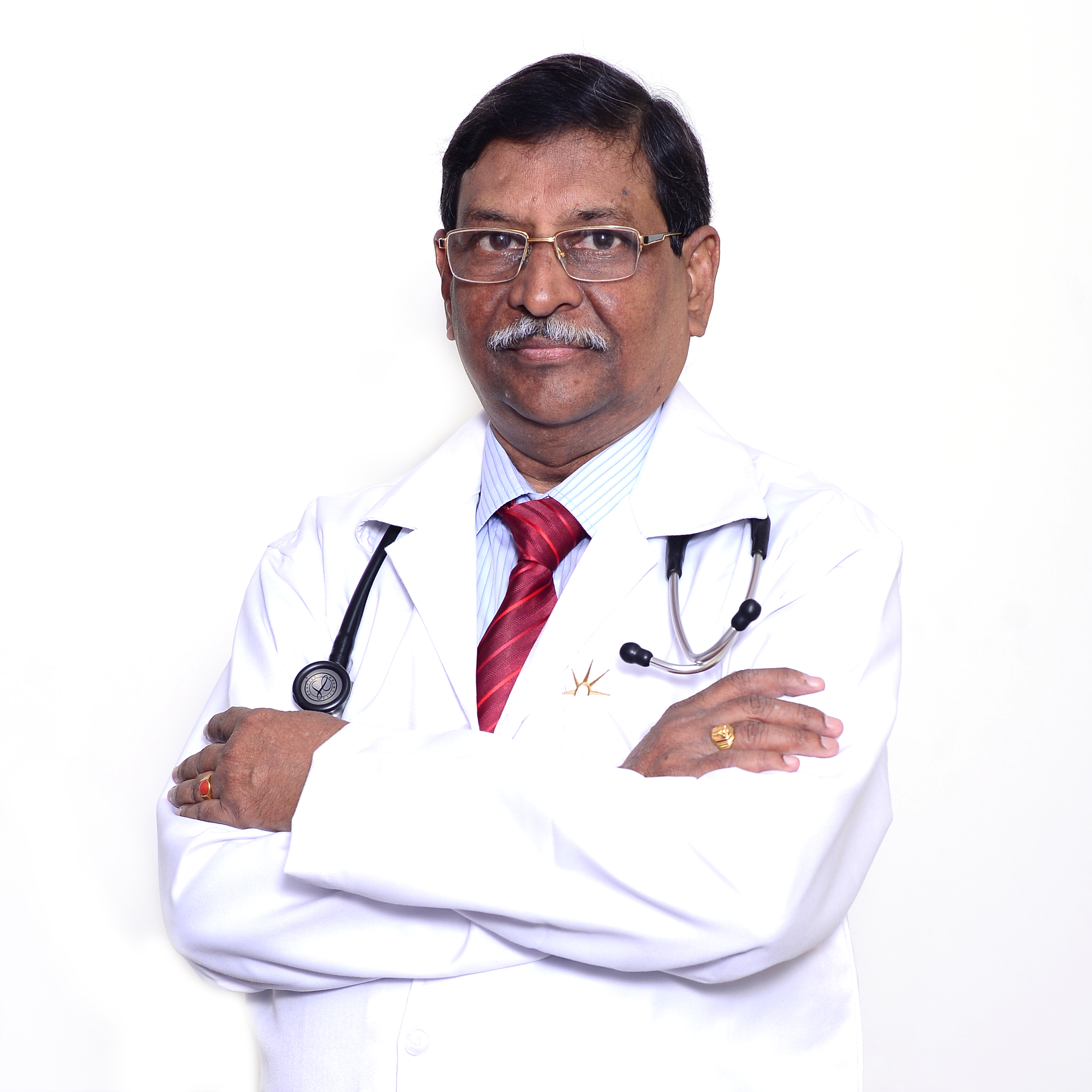
This article is medically reviewed by Dr. V. S. N. Rao, Director - Medical Services & Consultant - Radiation Oncology, HCG Cancer Centre, Vijayawada.
To keep your skin healthy and lower your risk of skin cancer, it's important to adopt necessary sun safety measures. Even on cloudy days or when you're inside near windows, taking care of your skin is important. Many don't realize how strong UV radiation can be, which can cause tanning, sunburns, and long-term changes to the skin.
Simple sun safety tips discussed in this article can prevent sunburn and premature skin aging and reduce the risk of skin cancer. These tips are lifestyle-based and easy to incorporate into your daily routine.
Prolonged exposure to UV radiation, especially UVB radiation, causes sunburn. UV radiation can cause both acute and chronic sunburn, where the radiation causes RNA and DNA damage, respectively, and triggers inflammatory responses and skin damage. The inflammation causes pain, redness, and warmth.
Melanin, a natural pigment in the body that gives color to skin, hair, and eyes, plays a huge role in protecting the skin against conditions caused by sunlight exposure, which include sunburn, tanning, skin cancer, and more. It absorbs the UV radiation that reaches the skin.
Reports suggest that people with light skin tones and low melanin content are more prone to getting sunburns than those with darker skin tones and high melanin content.
Additionally, individuals who are outdoors between 10 a.m. and 4 p.m. are also found to have a higher risk of sunburns. Getting sunburned over and over again weakens the skin barrier and increases the risk of skin cancer.
Tanning is one of the skin's mechanisms to protect itself from UV rays. When UV rays harm skin cells, the body makes more melanin to keep them safe. This darkening shows that there is damage below the surface, which is why it's important to stay safe in the sun every day.
Ultraviolet (UV) radiation is a type of energy that comes from the sun and can't be seen, but it can have a significant impact on your skin health.
UV rays get into the skin and hurt its cells, which can cause tanning, sunburn, premature skin aging, and a higher risk of skin cancer. The sun's UV rays are strongest at noon, at high altitudes, and in places that reflect light, like beaches, water, and snow.
Even on cloudy days, up to 80% of UV rays can still reach the skin. Therefore, it is essential to adopt measures that protect skin against UV damage.
There are different kinds of UV radiation, such as:
The intensity of the UV radiation from the sun changes with the time of day and the season. Therefore, it is necessary to protect your skin with different preventive measures.
One of the best ways to avoid sunburn, premature aging, and skin cancer is to stay out of the sun.
Too much UV radiation can hurt the DNA in your skin, but sunlight is important for making vitamin D. If you spend a lot of time outside for work, travel, or everyday activities, adopting the following sun safety tips can help you lower this risk and keep your skin healthy in the long run. These tips can help you stay safe from the sun all day long, even when UV levels change.
The following are protective measures that can help you prevent skin damage caused by sunlight exposure:
Following these sun safety tips on a regular basis lowers the amount of UV damage over time and helps keep your skin healthy in the long run.
Doctors recommend 5 sun safety rules, or 5 S's, for maximum sun protection throughout the year:
Slip on protective clothing: To keep UV rays from getting through, wear long sleeves and fabrics that cover most of your skin, especially when you are going out.
Slop on sunscreen: Pick a broad-spectrum sunscreen with an SPF of 30 or higher, and put it on every two hours. This can help stop the UV radiation from reaching your skin and causing damage.
Slap on a hat: Putting on a wide-brimmed hat in sunlight protects your face, ears, and neck from the sun, which helps prevent sun damage.
Stay in the shade: Stay in the shade when UV levels are highest, i.e., between 10 a.m. and 4 p.m., or when your shadow is shorter than you.
Slide on sunglasses: Put on sunglasses that block 99–100 percent of UV rays to keep your eyes and the skin around them safe.
These measures offer 90-95% protection against sun damage and reduce the risk of various sun damage-induced skin conditions. These measures are simple and easy to adopt and should be considered for adults and children alike.
For more information on protecting your skin against sun damage, please speak to your dermatologist.
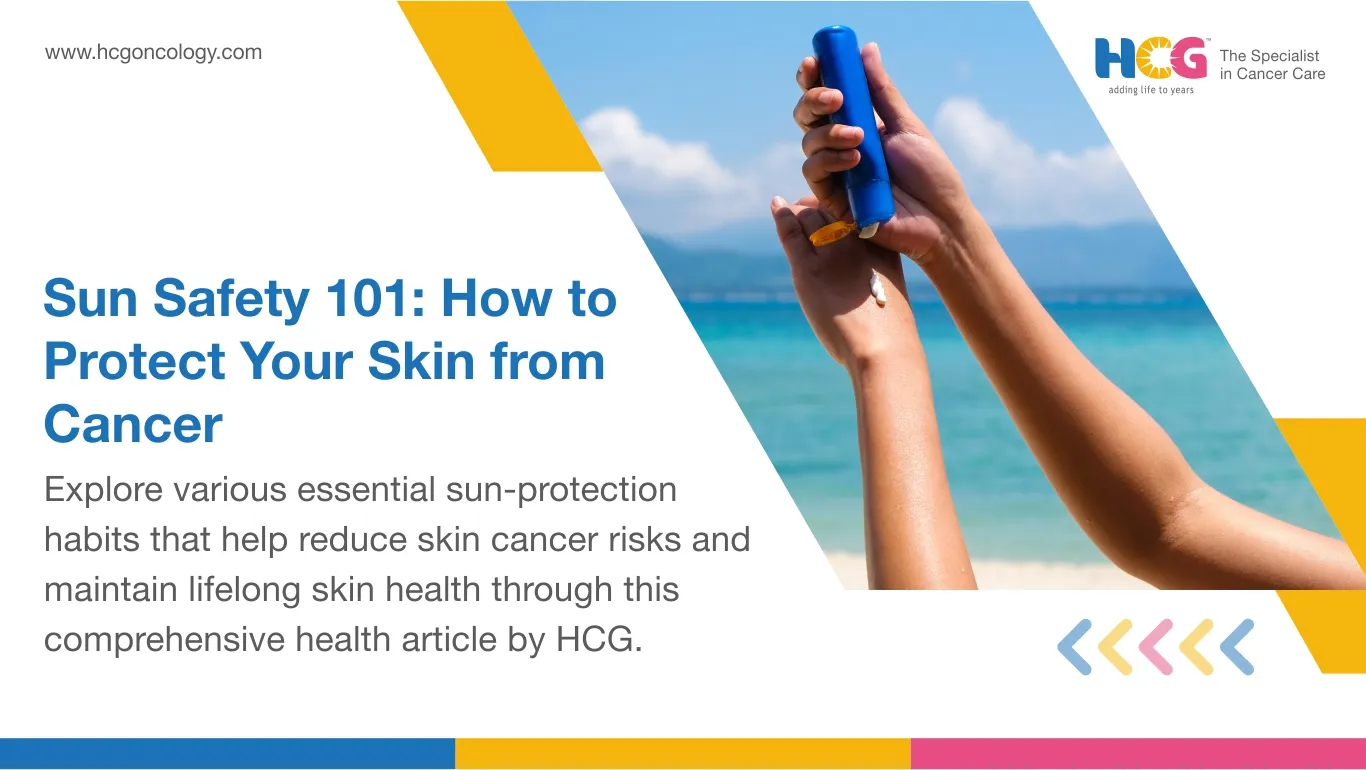
Sunscreens are topical products that protect your skin from UV rays by absorbing, reflecting, or scattering them. They are essential for protecting your skin from the sun and stopping sunburns, tanning, and long-term damage.
There are two main types of sunscreens: physical (mineral) sunscreens that use ingredients like zinc oxide to reflect rays, and chemical sunscreens that absorb UV radiation and turn it into heat that isn't harmful.
Sunscreens that protect against both UVA and UVB rays are called broad-spectrum sunscreens. Putting on sunscreen every day, even when it's cloudy, protects your skin from getting older too quickly and getting skin cancer.
A large population in India does not use sunscreen. A few reasons why sunscreen use is not very common in India include a lack of awareness and understanding of how it works, misconceptions about skin tone protecting against damage, and aesthetic concerns.
Here is a detailed guide on how to use sunscreens for sun protection and sunburn prevention:
Sunburn prevention is important to keep your skin healthy and lower your long-term risks of early aging and skin cancer. You can greatly reduce your exposure to harmful UV rays by consistently protecting yourself from the sun, such as by seeking shade, wearing protective clothing, and using sunscreen every day. Taking small steps on a regular basis can help keep your skin's natural barrier safe and improve overall skin health.
HCG Aastha Cancer Centre, Ahmedabad
HCG Cancer Centre, K. R. Road, Bangalore
HCG Cancer Centre, D. R. Road, Bangalore
HCG Cancer Centre, Borivali
HCG ICS Khubchandani Cancer Centre, Colaba
HCG Cancer Centre, Kolkata
HCG Cancer Centre, Nagpur
HCG Cancer Centre, Indore
HCG Cancer Centre, Vadodara
HCG Cancer Centre, Jaipur
HCG Manavata Cancer Centre, Nashik
HCG - Abdur Razzaque Ansari Cancer Hospital, Ranchi
HCG Panda Cancer Hospital, Cuttack
HCG MNR Cancer Centre, Ongole
HCG Cancer Centre, Visakhapatnam
HCG Cancer Centre, Vijayawada
HCG NMR Cancer Centre, Hubli
HCG Cancer Centre, Kalaburagi
Sun safety helps keep your skin safe from UV damage, premature aging, and skin cancer. It protects your skin from damage that builds up over time from being in the sun every day.
The safest and most reliable way to protect yourself from the sun is to wear protective clothing and seek shade during outdoor activities. Using sunscreen is another critical sun safety measure.
No sunscreen can completely block UV rays. When used correctly, SPF 30–50 gives strong and effective protection.
You should apply sunscreen every two hours, or more often if you sweat, swim, or wipe your skin.
Yes. People with darker skin tones are relatively less prone to sun damage, but they are still at risk for UV damage and skin cancer. Therefore, one must opt for skin protection against sun damage, irrespective of the skin tone.
Kids older than six months can use sunscreen. For babies under six months, it is important to avoid direct sunlight exposure.
Pick a broad-spectrum sunscreen with an SPF of 30 or higher that is right for your skin type. For more information on the right type of sunscreen, you can speak to your dermatologist.
Dr. V. S. N. Rao
Director - Medical Services and Consultant - Radiation Oncology
MBBS, DMRT, MD (Radiation Oncology)
Dr. V. S. N. Rao is a senior radiation oncologist who is available for consultations at HCG Cancer Centre, a well-known comprehensive cancer hospital in Vijayawada. He has over 3 decades of experience in external radiotherapy and brachytherapy techniques. Dr. Rao has vast experience in treating cancers of the head & neck, breast, esophagus, gastrointestinal tract, lung, brain, and bones. He received specialized training in HDR & PDR brachytherapy at a reputed institute in Germany. Dr. Rao is committed to using the most advanced and personalized radiotherapy solutions for the best outcomes for cancer patients.
Appointment Link: Book an Appointment with Dr. V. S. N. Rao.