24 Apr, 2026
24 Apr, 2026
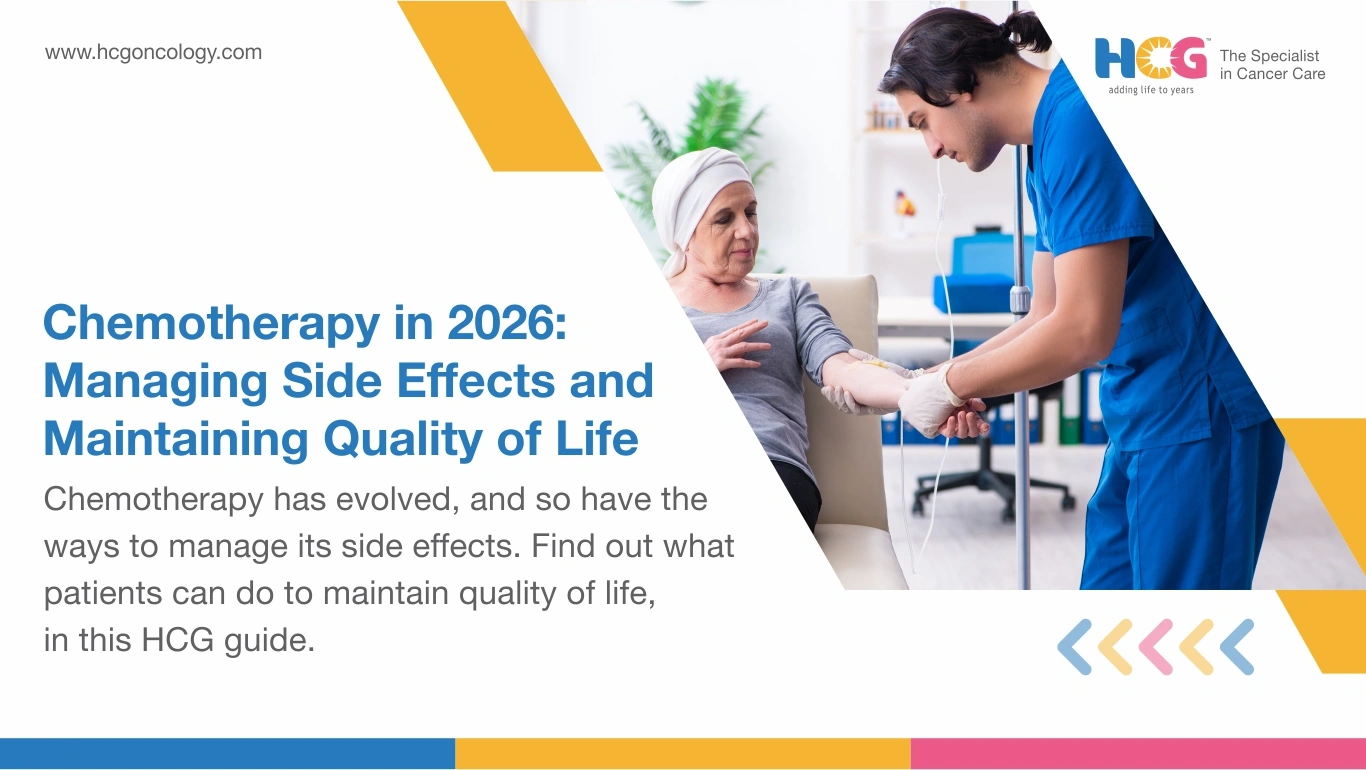
Chemotherapy side effects occur because treatment drugs cannot fully distinguish fast-dividing cancer cells from healthy cells in the mouth, gut, hair follicles, and bone marrow. Side effects typically begin within days to weeks of the first infusion and resolve after treatment concludes, though some persist longer. Scalp cooling, new-generation antiemetics, and integrative oncology support now allow most patients to maintain meaningful quality of life throughout treatment.
Chemotherapy side effects depend on which drugs are used, the dosage, and which healthy cells sustain collateral damage per cycle (Cleveland Clinic, 2024).
Side Effects And Management: Quick Reference
| Side Effect | What It Feels Like | Management Approach |
|---|---|---|
| Nausea and vomiting (CINV) | Persistent queasiness, wave-like stomach upset | Anti-emetics, small, frequent meals, and ginger |
| Fatigue | Bone-deep heaviness; rest does not resolve it | Paced activity, light walking, and anemia management |
| Hair loss | Shedding within 2–3 weeks of the first cycle | Scalp cooling cap; regrowth resumes post-treatment |
| Chemo brain | Difficulty retrieving words, slowed processing | Structured routines, cognitive exercises, psycho-oncology |
| Peripheral neuropathy | Tingling or burning in fingers and toes | Early reporting, dose adjustment, physiotherapy |
| Mucositis | Raw soreness along the gum line and inner cheek | Alcohol-free mouthwash, soft diet, oral coating agents |
| Neutropenia | No visible sign; detected by blood count | Infection vigilance, G-CSF injections, neutropenic diet |
Chemo nausea is the most effectively managed side effect in 2026. Modern antiemetic protocols combine serotonin receptor antagonists (ondansetron), NK-1 receptor blockers (aprepitant), and corticosteroids to suppress nausea before it establishes itself (Cleveland Clinic, 2024). The clinical difference-maker is prophylactic dosing: medication starts before infusion, not after queasiness takes hold.
Small, protein-anchored meals every two to three hours prevent the empty-stomach effect that amplifies nausea. Cold or room-temperature foods produce fewer triggering aromas than hot dishes. Ginger tea has documented anti-nausea utility in the chemotherapy setting. HCG's clinical nutrition team designs personalized chemo-compatible meal plans from the first infusion cycle.
If antiemetics are not controlling nausea adequately, tell your oncology team. Regimens can be adjusted. Do not endure it silently.
Scalp cooling limits follicular drug exposure by reducing blood flow to the scalp during infusion. Scalp cooling is most effective with taxane-based regimens and less predictable with anthracycline protocols (Cleveland Clinic, 2024).
Hair typically begins shedding two to three weeks into the first cycle. Regrowth resumes within two to three months after the final cycle, often with a different initial texture. Certain hospitals within the HCG Cancer Hospital network offer scalp cooling cap therapy as part of the integrative oncology program, with eligibility assessed at treatment planning.
Chemo brain produces a distinct cognitive fog: difficulty retrieving words mid-sentence, slowed processing speed, and short-term memory that feels unreliable. Symptoms emerge during active treatment and improve progressively after the final cycle, though some patients notice effects extending several months further (NHS).
Structured routines help most. Writing tasks down, breaking activities into smaller steps, and scheduling demanding work during morning peak-alertness hours are practical strategies. Walking 20 to 30 minutes three to four times weekly has documented cognitive benefits. HCG's psycho-oncology team offers cognitive rehabilitation as part of the survivorship care pathway.
It is important to note that "chemo brain" is not a sign of cancer spreading. Cognitive changes arise from the systemic effects of treatment drugs, not disease progression.
Peripheral neuropathy develops when neurotoxic agents, primarily taxanes and platinum-based drugs, disrupt nerve conduction in the distal extremities. The sensation is bilateral: a pins-and-needles tingling or low-grade burning at the fingertips and toe pads, occasionally progressing to numbness that reduces grip sensitivity (MD Anderson).
Early reporting is the pivotal protective action. Mild-grade neuropathy caught early allows dose modification before damage becomes lasting. Physiotherapy addresses balance and coordination deficits. Patients should avoid bare feet on uneven surfaces and promptly report any new object-dropping or unexplained tripping.
Neutropenia occurs when chemotherapy suppresses bone marrow activity, reducing neutrophil production. The clinical alert threshold is a fever above 38 degrees Celsius during active chemotherapy. This is a medical emergency requiring same-day assessment, not home monitoring (Cleveland Clinic 2024).
At HCG, complete blood count surveillance runs before every infusion cycle. G-CSF injections boost neutrophil production in high-risk patients. A neutropenic diet avoids raw produce and unpasteurized foods during vulnerable periods.
Note that developing a fever during chemotherapy is not normal. Go directly to the nearest emergency facility immediately in such cases.
When decisions need to be made, HCG helps by placing nutritionists, psycho-oncologists, physiotherapists, and scalp cooling specialists alongside the medical oncology team from day one. HCG Cancer Hospital's integrative oncology support treats patient well-being as a clinical priority alongside tumor control. The earlier these supports are activated, the more protective they are.
Next Steps for Your Doctor Visit:
Disclaimer: This information is intended to educate patients and caregivers. It does not replace professional medical advice. All treatment decisions should be made in consultation with a qualified doctor.
Feel free to reach out to us.