01 Apr, 2026
Feel free to reach out to us.
01 Apr, 2026
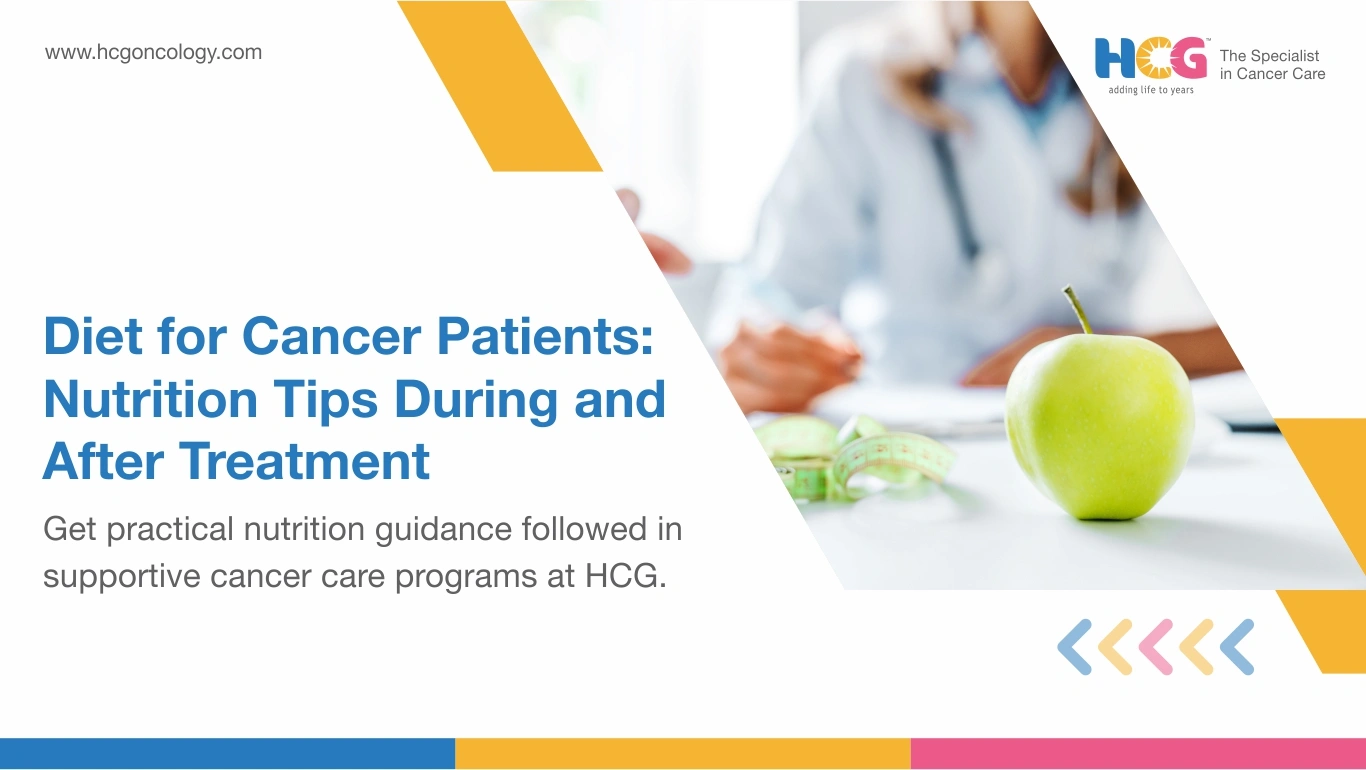
Eating well during cancer treatment is genuinely hard. Most guides skip that part. Diet for cancer patients is not about following a strict plan; it is about giving the body enough fuel to get through treatment, manage side effects, and recover. Cancer itself, along with chemotherapy, radiation, and surgery, changes how the body processes nutrients, sometimes raising the need for protein and calories at the very moment that appetite drops. Doctors typically raise nutrition as a priority early, especially if a patient is losing weight, struggling to eat, or showing signs of muscle weakness. The goal is practical: sustain the body, not cure the disease. This guide also covers what to eat, how to adapt when eating is difficult, and when to bring in specialist support.
The body works harder during cancer treatment than most people expect. Chemotherapy, radiation, and surgery all place physiological stress on the system, and the demand for protein and calories can rise significantly. The difficulty is that treatment often makes eating harder at the same time. Nausea, fatigue, taste changes, and reduced appetite can combine to push intake down just when the body needs more.
Muscle loss is a real risk. The term "cachexia" describes progressive muscle and weight loss that can accompany cancer treatment, affecting strength, treatment tolerance, and recovery time.
There is no universal cancer diet. What works depends on cancer type, treatment being received, and individual response. A few priorities tend to apply across most situations.
| Food Group | Nutritional Role | Examples |
|---|---|---|
| Protein-rich foods | Preserve and rebuild muscle | Eggs, legumes, fish, dairy, poultry |
| Calorie-dense foods | Maintain energy when appetite is poor | Nuts, nut butters, avocado, full-fat dairy |
| Whole grains | Sustained energy and digestive support | Rice, oats, wholemeal bread, quinoa |
| Fruits and vegetables | Vitamins, minerals, fibre | Cooked or soft forms when raw is not tolerated |
| Healthy fats | Energy and fat-soluble nutrient absorption | Olive oil, nuts, seeds, oily fish |
When portions are small, they need to earn their place. A spoonful of nut butter on toast delivers more than a large bowl of plain rice. Prioritizing density over volume is the practical approach when appetite is unreliable.
Treatment side effects directly affect what a patient can eat and how much. Each symptom tends to respond to a different strategy.
Appetite loss is the most common complaint. Waiting to feel hungry rarely works. Eating on a schedule, five or six small amounts across the day, tends to maintain intake more reliably.
Nausea responds well to cool, plain, low-odor foods. Strong smells and hot dishes can make it worse. Crackers, dry toast, and cold foods are often better tolerated on difficult days.
Mouth sores develop during certain chemotherapy regimens and head-and-neck radiation. Acidic, spicy, or rough foods become painful. Soft, moist options such as soups, yogurt, and smoothies are easier to manage.
Taste changes are common during chemotherapy. Familiar foods may taste metallic or bland. Trying different seasonings or cooler temperatures can help.
Dry mouth from radiation makes chewing and swallowing difficult. Small sips of water during meals and moist food preparations reduce the difficulty.
Chemotherapy and radiation create different nutritional challenges, sometimes considerably, depending on the treatment site.
| Consideration | During Chemotherapy | During Radiation |
|---|---|---|
| Main eating challenge | Nausea, fatigue, taste changes, immunity changes | Depends on site: mouth and throat, or bowel |
| Food texture priority | Soft or easy to digest on difficult days | Soft for head-neck; low-fibre for bowel if advised |
| Food safety emphasis | Higher when white blood cell counts are reduced | Moderate, based on treatment area and health status |
Good to know: When both treatments are part of the same plan, a dietitian is better placed to manage the overlap than general guidelines alone.
Some chemotherapy regimens reduce white blood cell counts significantly. During these phases, the body is less equipped to handle bacteria that would ordinarily cause no harm.
Practical steps: avoid raw or undercooked meat, fish, eggs, and shellfish; wash all produce thoroughly; avoid unpasteurized dairy and juices; use separate boards for raw proteins; do not leave prepared food at room temperature.
For many patients, appetite returns gradually once active treatment ends. The post-treatment period is useful for rebuilding muscle, stabilizing weight, and settling into a balanced long-term diet. A dietitian can help structure this phase, particularly for those who struggled considerably with eating during treatment.
Quick note: Gradual, guided recovery is more effective than rushing weight regain alone.
Nutrition during cancer treatment does not need to be perfect. Consistent effort and early specialist input tend to produce better outcomes than chasing an ideal that proves impossible to follow.
Practical steps worth taking early:
In cancer care, HCG Cancer Hospital focuses on a patient-first, evidence-based approach that includes nutritional support as part of the broader plan. Patients navigating side effects, appetite changes, or recovery can access coordinated clinical input rather than managing these challenges alone.
A conversation with the care team at HCG is a sensible starting point. Nutritional decisions are better made with the full clinical picture in view.
Disclaimer: This information is intended to educate patients and caregivers. It does not replace professional medical advice. All treatment decisions should be made in consultation with a qualified doctor.
-American Cancer Society | Nutrition for People with Cancer During Treatment | https://www.cancer.org/cancer/managing-cancer/side-effects/appetite-loss/nutrition-for-the-person-with-cancer-during-treatment.html
- National Cancer Institute | Nutrition in Cancer Care (PDQ) Patient Version | https://www.cancer.gov/about-cancer/treatment/side-effects/appetite-loss/nutrition-pdq
- National Cancer Institute | Eating Hints: Before, During and After Cancer Treatment | https://www.cancer.gov/publications/patient-education/eating-hints
- NHS UK | Diet and Cancer: Eating Well During Treatment | https://www.nhs.uk/conditions/cancer/eating-well/
- Johns Hopkins Medicine | Nutrition During Cancer Treatment | https://www.hopkinsmedicine.org/health/wellness-and-prevention/nutrition-during-cancer-treatment
- MD Anderson Cancer Center | Tips for Eating Well During Cancer Treatment | https://www.mdanderson.org/cancerwise/tips-for-eating-well-during-cancer-treatment.h00-159539593.html
- Macmillan Cancer Support | Eating Well During Cancer Treatment | https://www.macmillan.org.uk/cancer-information-and-support/treatment/side-effects/diet-and-appetite
- Mayo Clinic | Cancer Treatment Side Effects | https://www.mayoclinic.org/diseases-conditions/cancer/in-depth/cancer-treatment/art-20047014