10 Apr, 2026
Feel free to reach out to us.
10 Apr, 2026
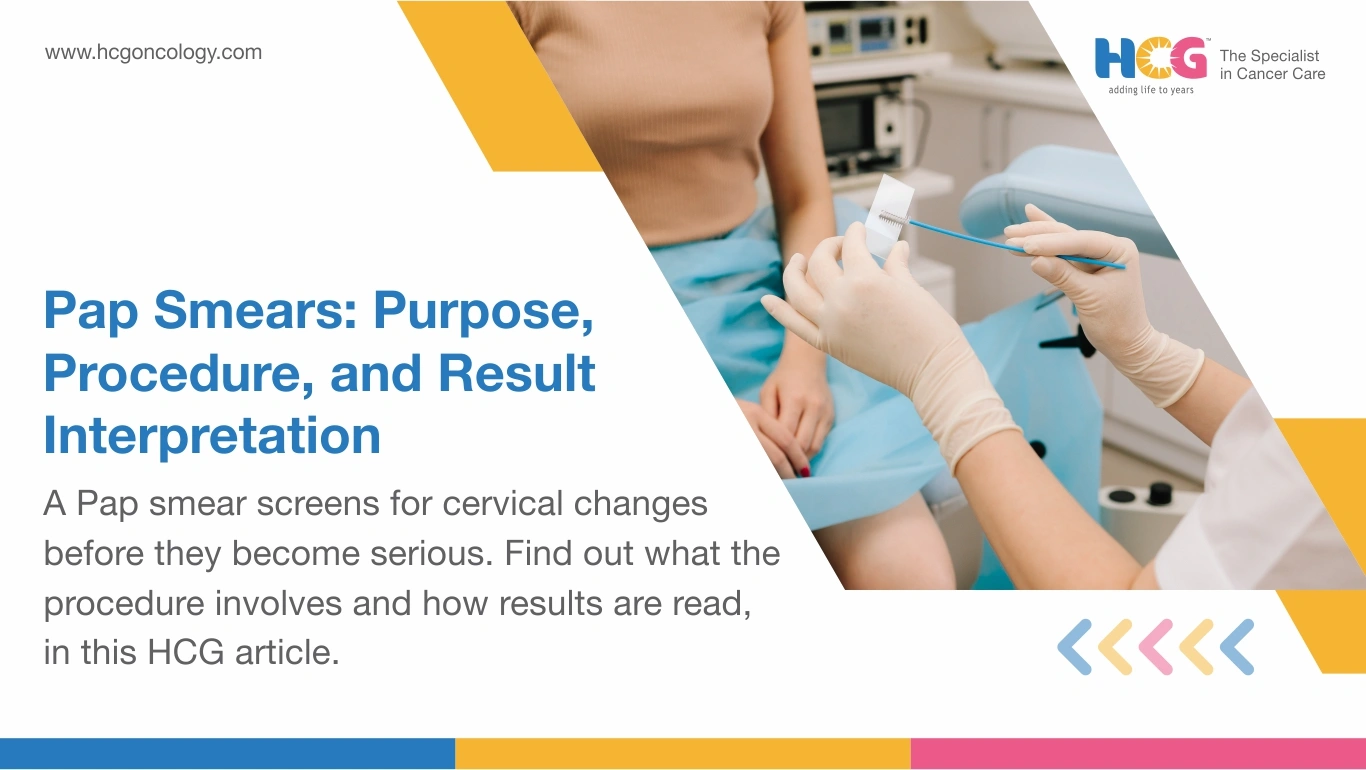
A Pap smear is a cervical cell screening test that detects abnormal changes before they progress to cancer. It is not a diagnostic tool. A gynecologist collects cells from the cervix during a routine pelvic exam; a lab examines those cells using cervical cytology analysis.
India accounts for approximately one-fifth of all cervical cancer deaths worldwide. Regular Pap smear screening is a clinical priority, not an optional step.
Good to Know:The procedure takes 10 to 20 minutes in a clinic setting.
A Pap smear collects cells from the transformation zone of the cervix, where abnormal changes most commonly originate. Cells are transferred into a ThinPrep or SurePathliquid-based cytology vial and sent to a pathology lab for analysis. A cytopathologist classifies results using the Bethesda System,which directly determines your follow-up pathway.
Common Confusion:A Pap smear does not diagnose cancer. It flags unusual cells, prompting further investigation only if needed.
| Feature | Pap Smear | HPV Test |
|---|---|---|
| Detects | Abnormal cervical cells | High-risk HPV strains (16, 18) |
| Starting age | 21 years | 30 years (co-testing) |
| Interval | Every 3 years (ages 21–29) | Every 5 years (ages 30–65) |
| Best used | Primary screening for all women | Co-test or primary screen, ages 30+ |
Co-testing (Pap + HPV) from a single sample offers the strongest cervical cancer detection accuracy for women over 30.
Ages 21–29: Pap test every 3 years.
Ages 30 to 65: Pap alone every 3 years, or Pap + HPV co-test every 5 years. Women over 65 with consistently normal results may stop screening after confirming with their gynecologist.
The gynecologic oncology team at HCG recommends initiating cervical cancer screening conversations at age 25 for women with risk factors, including smoking, immunosuppression, or a history of multiple sexual partners.
Avoid sexual intercourse, vaginal douching, or vaginal medications for 48 hours beforethe test. Residue can obscure the cervical cell sample and compromise accuracy.
Light spotting for 24 hours afterward is normal. Significant bleeding or pelvic pain warrants a call to your clinic.
| Result | What It Means | Next Step |
|---|---|---|
| Normal | No abnormal cells | Routine screening |
| ASC-US | Mildly atypical squamous cells | HPV reflex test or repeat Pap in 1 year |
| LSIL | Low-grade changes; CIN 1 level | Colposcopy or follow-up in 1 year |
| HSIL | High-grade changes; CIN 2/3 | Immediate colposcopy and biopsy |
| AGC / Suspicious | Atypical glandular cells | Urgent colposcopy and biopsy |
ASC-US often resolves without treatment. HSIL signals CIN 2 or CIN 3 precancerous lesions, requiring prompt colposcopy to prevent progression toward squamous cell carcinoma of the cervix.
What is Colposcopy?
Colposcopy is a magnified cervical examination that identifies acetowhite lesions and guides targeted biopsies when needed.
Common Confusion: Often, abnormal results, especially ASC-US and LSIL, resolve with monitoring alone.
| Option | Price Mentioned |
|---|---|
| Pap Smear - Liquid-Based Cytology | ₹800 – ₹3,350 |
| Pap Smear or Cervical Smear | ₹500 – ₹2,260 |
| Pap Smear + HPV DNA Testing | ₹4,950 – ₹12,790 |
These costs may vary depending on various factors, including the location of the hospital, the hospital facility, methodologies used, operational factors, turnaround time, and more. The costs at specialized oncology hospitals may be relatively higher.
Depending on severity and HPV status, your doctor recommends one of these:
CIN 1 often regresses without treatment. CIN 2 and CIN 3 require intervention to prevent progression to invasive carcinoma.
For those wondering, “How much does a Pap smear cost in India?” here is the answer:
| Option | Approximate Cost |
|---|---|
| Pap Smear - Liquid-Based Cytology | ₹800 – ₹3,350 |
| Pap Smear or Cervical Smear | ₹500 – ₹2,260 |
Costs vary by hospital and patient profile. Confirm pricing with your facility before booking.
For many patients, the next helpful step is simply booking the appointment they have been postponing. HCG Cancer Hospital offers complete cervical screening, from initial Pap test and HPV co-testing through colposcopy, biopsy, and treatment planning, under one roof. Early detection through regular Pap smear screening remains the most reliable pathway to better outcomes.
Next Steps for Your Doctor Visit:
Disclaimer: This information is intended to educate patients and caregivers. It does not replace professional medical advice. All treatment decisions should be made in consultation with a qualified doctor.