30 Jul, 2026
30 Jul, 2026
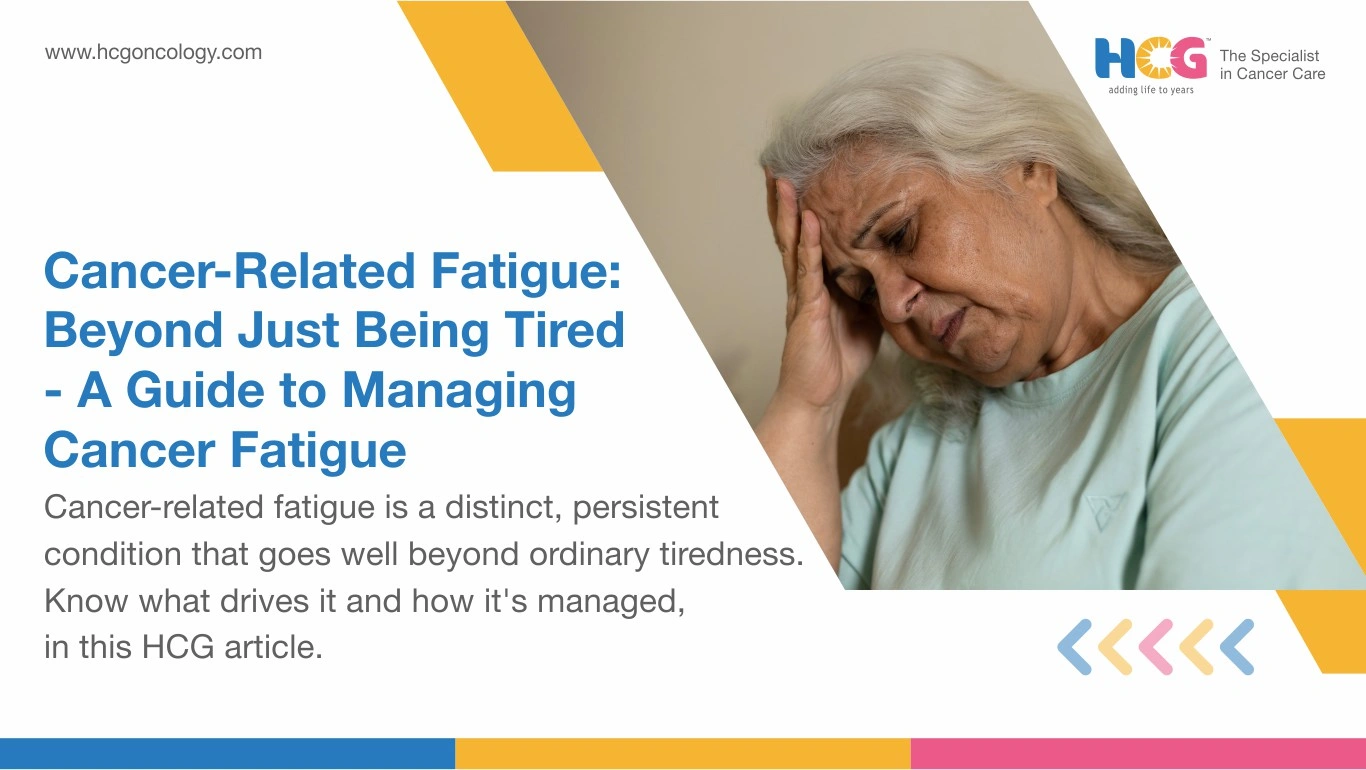
Managing cancer fatigue demands a completely different strategy than treating ordinary tiredness. Cancer-related fatigue (CRF) is a persistent exhaustion that sleep cannot fix, affecting up to 80% of patients during active treatment (NCI). Rest alone fails. The 2026 standard integrates exercise-oncology, mitochondrial nutrition, and psychological rehabilitation as the primary evidence-backed response.
Cancer-related fatigue is a clinically distinct syndrome that rest will not resolve. Ordinary tiredness lifts after sleep. CRF persists regardless of sleep duration, worsening mid-treatment before gradually improving afterward (Mayo Clinic).
Chemotherapy and radiation trigger inflammatory cascades that elevate cytokine levels, disrupt mitochondrial health, and alter brain neurotransmitter activity. Anemia reduces oxygen delivery to muscle tissue, producing the heavy-limbed, cognitively foggy depletion that patients consistently describe (NCI).
Common confusion: CRF and ordinary tiredness operate through entirely different biological pathways. One responds to rest. The other requires structured clinical intervention.
Treatment drugs target rapidly dividing cells, but the inflammatory cascade simultaneously damages healthy mitochondria responsible for ATP energy production (PMC). Radiation fatigue peaks at weeks three to five. Chemotherapy fatigue troughs between days three and seven after each infusion cycle (NCI).
Patients rarely describe the feeling as sleepiness. The sensation is a bone-deep heaviness unlike any tiredness previously experienced.
Four-Pillar Fatigue Management Framework
| Pillar | Intervention | Goal |
|---|---|---|
| Exercise-Oncology | Supervised aerobic and resistance training | Restore mitochondrial function |
| Nutrition Support | Protein optimization, anti-inflammatory diet | Support cellular energy |
| Sleep Rehabilitation | Sleep hygiene, CBT-I | Restore sleep architecture |
| Psychological Support | CBT, pacing, mindfulness | Reduce fatigue amplification |
Exercise-oncology leads this framework. A PMC review confirmed structured physical activity produced the strongest CRF reductions across all cancer types, outperforming both pharmaceutical interventions and rest-based strategies (PMC). Move strategically rather than rest more.
HCG's physiotherapy team designs programs around functional capacity, treatment phase, and contraindications, including bone metastases, severe anemia, or neutropenia. Safe activity begins with 10 to 20-minute walks at a conversational pace, three to five days per week. Resistance training is introduced progressively once cardiovascular tolerance is established (Mayo Clinic).
Good to know: Two 10-minute walks daily improve CRF scores measurably in clinical trials. Consistency outperforms intensity every time.
Protein is the highest clinical priority. Maintaining 1.2 to 1.5 grams of protein per kilogram of body weight daily preserves lean muscle mass, supporting physical function during treatment (NCI). Anti-inflammatory foods, including oily fish, leafy greens, berries, and turmeric, help modulate cytokine activity driving CRF.
HCG's oncology nutritionists build personalized plans accounting for nausea, taste changes, and appetite suppression throughout treatment.
In summary, Small meals of 200 to 300 calories every three to four hours maintain more stable energy than three larger meals when appetite is suppressed.
Cognitive behavioral therapy targets thought patterns that amplify physical exhaustion. Patients who catastrophize fatigue or lose sleep to treatment anxiety report significantly higher CRF severity (Mayo Clinic). Pacing strategies distribute energy across the day by alternating activity with planned rest, preventing the boom-and-bust cycle that leaves patients depleted after one active day. HCG's psycho-oncology team integrates both within the broader fatigue protocol.
Oncology physiotherapy per session: Rs. 500 to Rs. 1,500. Nutrition consultation: Rs. 500 to Rs. 2,000. Comprehensive rehab programs that are designed to manage fatigue and other side effects of cancer treatments can cost anywhere between Rs. 35,000 and Rs. 65,000. Costs vary by hospital and patient profile. Metro facilities in Bengaluru, Mumbai, Delhi, and Chennai carry higher charges than Tier 2 and Tier 3 centers. Ayushman Bharat and CGHS schemes cover eligible supportive care. HCG's patient navigation team confirms scheme benefits before any program begins.
For many patients, the next helpful step is a direct conversation with HCG's supportive oncology team about building a structured fatigue management plan before exhaustion becomes disabling.
HCG Cancer Hospital's Wellness, Physiotherapy, and Psycho-Oncology teams address the physical, nutritional, and psychological dimensions of CRF simultaneously. Post-treatment fatigue monitoring identifies lingering CRF linked to anemia, hypothyroidism, or depression. Nutritional rehabilitation supports tissue repair as side effects resolve. Graded exercise rehabilitation and pelvic floor physiotherapy are integrated for pelvic treatment patients. HCG's survivorship pathway includes psycho-oncology support, sleep hygiene coaching, wound care, and imaging surveillance to exclude recurrence as a fatigue driver.
When you see your doctor for cancer-related fatigue management:
Disclaimer: This information is intended to educate patients and caregivers. It does not replace professional medical advice. All treatment decisions should be made in consultation with a qualified doctor.
Feel free to reach out to us.