01 Apr, 2026
Feel free to reach out to us.
01 Apr, 2026
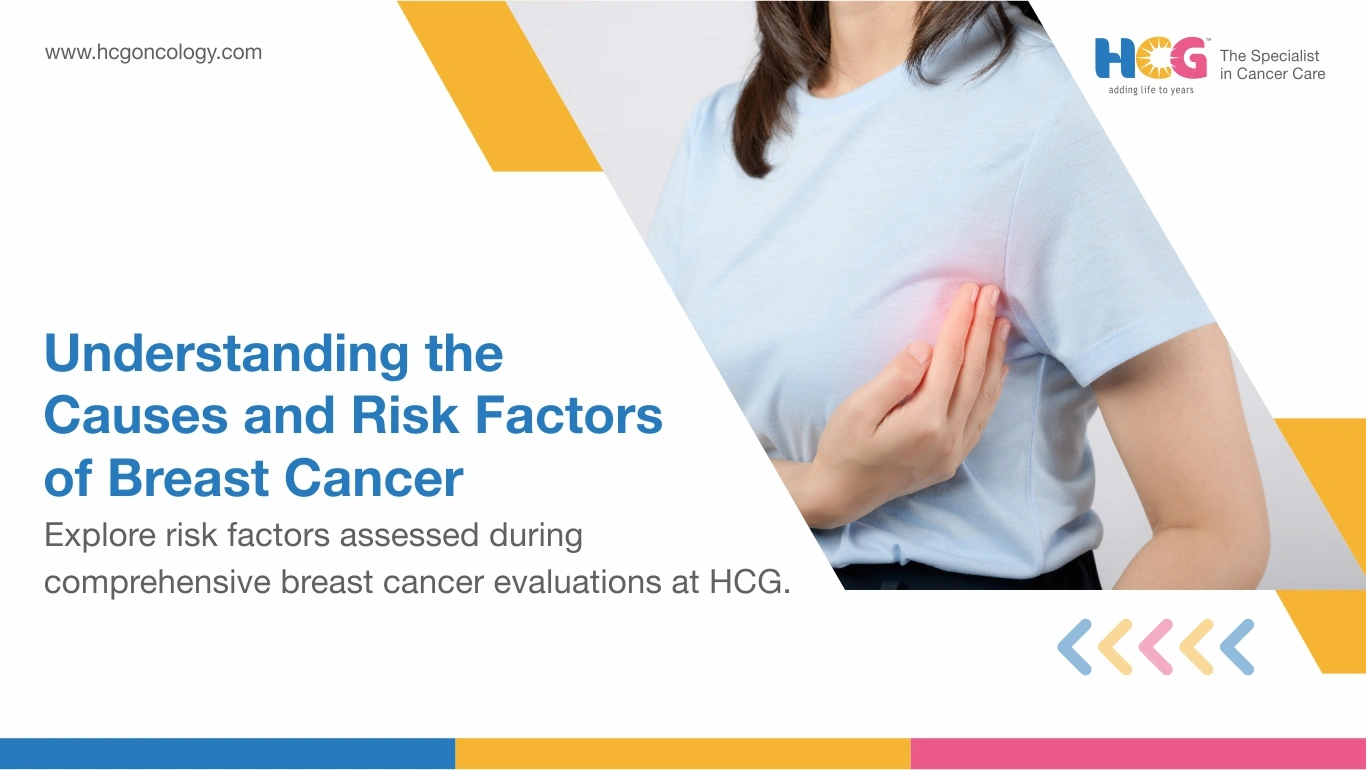
Breast cancer develops when genetic mutations in breast cells cause uncontrolled growth and division. Most people cannot identify a single cause. Breast cancer is caused by a combination of genetic, hormonal, environmental, and lifestyle factors that increase the risk over time. Some risk factors cannot be modified, whilst others can. This means that certain decisions you make in life may reduce your overall risk.
This page discusses what causes breast cancer, provides some well-known risk factors, and explains which ones people can control.
Changes in the DNA of breast cells disrupt the normal control of cell growth, allowing abnormal cells to spread and form tumors, ultimately leading to breast cancer.
Several research studies conducted on breast cancer have reported that the majority of these genetic abnormalities occur throughout a person's lifetime, rather than being passed down from their parents.
Some essential biological processes include:
The particular reason for these changes is frequently unknown, which explains how breast cancer can occur in people who lack definitive risk factors.
It is critical to understand the difference between causes and risk factors.
Genetic mutations are biological processes that lead directly to cancer, and they may be identified as the cause of breast cancer.
Risk factors are characteristics or exposures that increase a person's likelihood of developing breast cancer but do not guarantee it.
Just because someone has one or more risk factors doesn't mean they'll develop breast cancer. In fact, some individuals who have no established risk factors develop breast cancer.
Age is the most widely recognized risk factor. Most people over the age of 50 are diagnosed with breast cancer because genetic damage accumulates over time.
Being a woman increases the risk significantly because women are exposed to more estrogen and progesterone throughout their lives.
In very rare cases, men can also develop breast cancer.
Inherited mutations, particularly those in the BRCA1 and BRCA2 genes, significantly increase the risk of developing breast cancer over time. These mutations make it difficult for DNA to repair itself.
Having a first-degree relative (mother, sister, or daughter) with breast or ovarian cancer increases risk, especially if the cancer was diagnosed at a younger age.
Also referred to as a genetic risk of breast cancer, family history contributes to a small percentage of breast cancer cases.
Longer exposure to estrogen, one of the hormonal factors in breast cancer patients, is associated with a higher risk of the disease. The following factors are considered to assess the risk:
Women with dense breasts have more glandular than fatty tissue. This makes cancer detection on mammograms difficult and increases one's risk of developing cancer.
Individuals who have received radiotherapy for cancers in the chest region may be at a higher risk of developing breast cancer.
Taking diethylstilbestrol (DES), a synthetic estrogen administered to women between 1940 and 1971, increases the risk of breast cancer for both the women and their daughters.
These risk factors are related to lifestyle and can be modified through lifestyle modifications. In other words, it is possible to reduce breast cancer risk associated with these factors through healthy lifestyle habits.
Obesity after menopause increases estrogen levels produced by adipose tissue, which can lead to the development of hormone-sensitive breast cancers.
Physical inactivity has long been linked to an increased risk of breast cancer. Prolonged periods of inactivity lead to an imbalance in hormone levels, increased insulin levels, chronic inflammation, low metabolic health, and reduced immunity, and all of these factors increase breast cancer risk.
Drinking alcohol increases the risk of breast cancer. Even moderate drinking has been shown to increase the risk compared to those who do not drink.
Long-term use of combined estrogen and progesterone hormone therapy carries an increased risk, particularly after five years. The breast cancer risk reduces once HRT is stopped.
Some hormonal birth control procedures may slightly increase the risk of breast cancer while in use. This risk normally decreases once they are stopped.
Younger, premenopausal women who smoke have an increased risk of developing breast cancer.
The table below lists both modifiable and non-modifiable risk factors for breast cancer:
| Risk Factor | Modifiable/Non-modifiable |
|---|---|
| Age | Non-modifiable |
| Female gender | Non-modifiable |
| Family history | Non-modifiable |
| Late menopause | Non-modifiable |
| Dense breasts | Non-modifiable |
| Obesity | Modifiable |
| Alcohol Use | Modifiable |
| Physical Inactivity | Modifiable |
| Hormone Replacement Therapy | Modifiable |
| Smoking | Modifiable |
An individual is considered to have a higher risk of breast cancer if they have:
People who are at higher risk should see a qualified healthcare professional about screening and preventative options.
Although breast cancer cannot always be avoided, studies suggest that the risk can be reduced by:
These steps are beneficial to your overall health and may reduce your risk of developing breast cancer, particularly after menopause.
Anyone concerned about the risk of breast cancer, particularly if they have a strong family history or genetic susceptibility, should speak with a healthcare expert about:
Early examination and regular screening are critical for identifying problems and achieving positive results.
According to HCG's cancer specialists, genetics, hormonal variables, age, lifestyle behaviors, and environmental exposures all contribute to breast cancer risk. While some risk factors cannot be modified, early detection, healthy living, and appropriate medical advice all play important roles in lowering risk and improving results.
Regular self-examination and age-appropriate screening help detect abnormalities early, when treatment is most effective. HCG Cancer Hospital promotes awareness, risk assessment, and individualized preventative techniques that are tailored to each woman's specific risk profile.
Disclaimer This information is intended to educate patients and caregivers. It does not replace professional medical advice. All treatment decisions should be made in consultation with a qualified doctor.