15 Apr, 2026
15 Apr, 2026
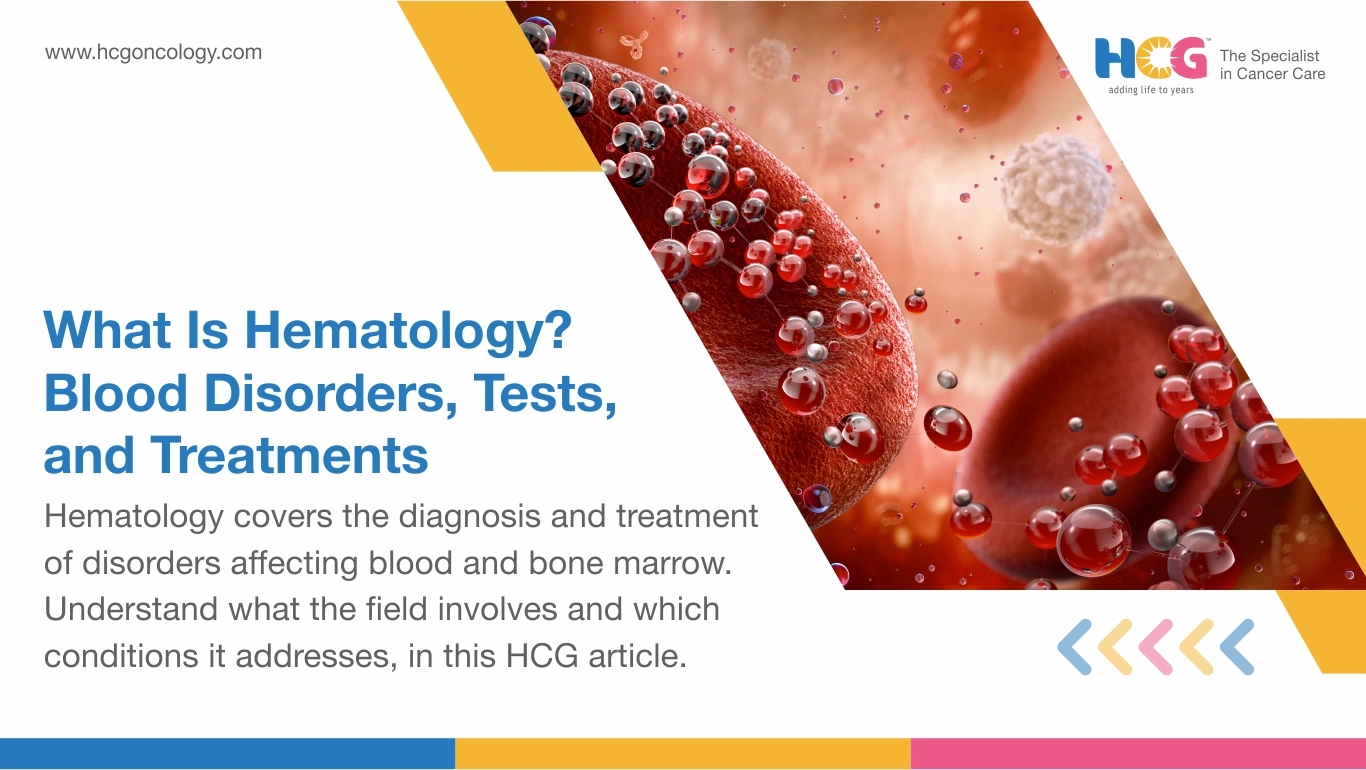
Hematology is the branch of medicine concerned with the study, diagnosis, and treatment of blood and blood-related disorders. It covers conditions that affect the blood itself, the bone marrow where blood cells are produced, and the lymphatic system. Specialists in this field, called hematologists, manage everything from relatively common problems like anemia to complex cancers of the blood and immune system.
For most people, the word 'hematology' surfaces for the first time when a doctor suggests a referral or when a routine blood test returns with values that fall outside the normal range. That can feel unsettling. This article walks you through what the specialty covers, which conditions fall under its care, what tests hematologists use, and how those conditions are treated today.
The range of conditions under hematology is broad. They are usually grouped by which component of blood is affected: red blood cells, white blood cells, platelets, or the clotting proteins in plasma.
Anemia is the most common blood disorder globally. The causes vary from iron or vitamin B12 deficiency to inherited conditions like thalassemia and sickle cell disease. Polycythemia vera sits at the opposite end: the body produces too many red blood cells, thickening the blood and raising clotting risk.
When white blood cell production goes wrong, it can tip either way: too few (leukopenia), which leaves the body vulnerable to infection, or too many and abnormal, the hallmark of blood cancers. Leukemia, lymphoma, and multiple myeloma are the primary malignant conditions managed by hematologists.
Too few platelets (thrombocytopenia) can cause unusual bruising or prolonged bleeding; too many (thrombocytosis) can encourage abnormal clots. Conditions like hemophilia and von Willebrand disease affect the clotting proteins themselves. Deep vein thrombosis and pulmonary embolism, which involve unwanted clot formation in veins, are also managed within hematology.
Common blood disorder categories at a glance:
| Blood Component Affected | Example Condition |
|---|---|
| Red blood cells | Anemia, thalassemia, sickle cell disease, polycythemia vera |
| White blood cells | Leukemia, lymphoma, multiple myeloma, leukopenia |
| Platelets | Thrombocytopenia (ITP), thrombocytosis |
| Clotting proteins | Hemophilia, von Willebrand disease, DVT, pulmonary embolism |
Hematologists treat both cancerous and non-cancerous blood conditions. Being referred to one does not automatically mean a cancer diagnosis is suspected. Many referrals are for common, manageable conditions like anemia or clotting disorders.
Diagnosis in hematology almost always begins with blood tests but rarely ends there. The table below summarizes the most commonly used investigations.
Measures the count and characteristics of all three blood cell types; the standard starting point for any hematology workup.
A blood sample examined under a microscope to assess cell size, shape, and visible abnormalities that counts alone cannot reveal.
A small marrow sample is taken from the hip bone to confirm diagnoses like leukemia, myeloma, lymphoma staging, and aplastic anemia.
Prothrombin time (PT) and activated partial thromboplastin time (aPTT) assess clotting protein function; they are used in bleeding disorders and anticoagulant monitoring.
Quick reference for common hematology tests:
| Test | What It Evaluates |
|---|---|
| Complete Blood Count (CBC) | Cell counts and characteristics of all blood cell types |
| Peripheral Blood Smear | Cell size, shape, and visible abnormalities under microscope |
| Bone Marrow Biopsy | Marrow health, cancer presence, cell production problems |
| PT/aPTT | Clotting protein function and bleeding risk |
| Serum Protein Electrophoresis | Abnormal protein patterns; used in myeloma diagnosis |
| Flow Cytometry | Cell surface markers; used to classify blood cancers precisely |
Most hematology workups start with simple blood tests. More invasive tests like bone marrow biopsy are only done when peripheral results cannot explain what is happening. Your doctor will explain what each test is looking for and why.
The below table provides the approximate cost estimates for different hematology tests at hospitals like HCG Cancer Hospital:
| Test | Cost Range (₹) |
|---|---|
| Complete Blood Count (CBC) | ₹470 – ₹900 |
| Peripheral Blood Smear | ₹290 – ₹880 |
| Bone Marrow Aspiration | ₹3,600 – ₹22,400 |
| Bone Marrow Biopsy | ₹2,790 – ₹5,340 |
| Flow Cytometry – Acute Leukemia Panel | ₹16,830 – ₹45,790 |
| Flow Cytometry – CLL Panel | ₹15,440 – ₹38,360 |
Treatment depends entirely on the condition. Some blood disorders are managed with supplements; others require sustained, intensive therapy. The field has changed considerably, and many conditions that once had limited options now have targeted treatments available.
Iron-deficiency, B12-deficiency, and folate-deficiency anemias respond well to supplementation once the underlying cause is addressed. Supportive care, including blood and platelet transfusions and growth factor injections, is used when the bone marrow is temporarily suppressed, such as during chemotherapy.
Anti-coagulants manage abnormal clotting. For blood cancers, targeted therapies have become increasingly central: tyrosine kinase inhibitors have transformed chronic myeloid leukemia management, allowing many patients to live near-normal lives on a daily oral pill. Immunotherapy, including monoclonal antibodies and CAR T-cell therapy, is now used for certain lymphomas and leukemias that do not respond to conventional treatment.
For some blood cancers and severe bone marrow failure, a stem cell transplant replaces diseased marrow with healthy cells from a matched donor (allogeneic) or from the patient's own previously collected cells (autologous). Patient selection depends on age, disease stage, fitness, and donor availability. Not every blood cancer patient will need a transplant, but for those who do, it can offer the possibility of long-term remission.
If you have been diagnosed with a blood disorder, ask your specialist whether a multidisciplinary tumor board review is relevant, what the treatment goal is (cure, remission, or symptom control), and whether newer targeted therapies apply to your case.
Hematology covers an unusually wide spectrum, from uncomplicated iron deficiency to complex blood cancers requiring transplant. What all of these conditions share is that they are diagnosable, and increasingly, they are treatable.
At HCG Cancer Hospital, hematology is integrated within a multidisciplinary oncology framework. Hematologists work alongside surgical oncologists, pathologists, radiation specialists, and supportive care teams through dedicated tumor boards, which means that wherever a patient's evaluation leads, the right expertise is available at each step. Whether the need is for a diagnostic workup, a second opinion, or active treatment, the process is designed to be coordinated rather than fragmented.
Disclaimer: This content is for informational purposes only and should not replace professional medical advice, diagnosis, or treatment. Always consult a qualified healthcare provider for guidance tailored to your needs.
Feel free to reach out to us.