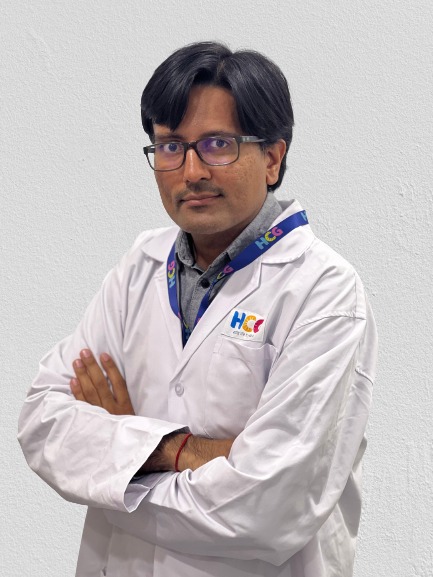
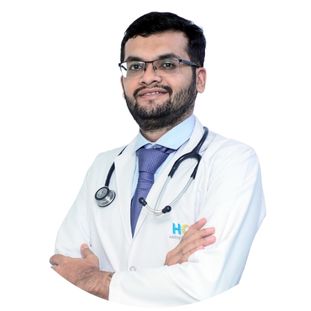
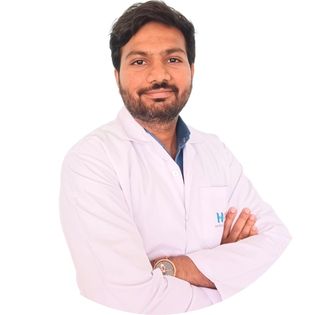
Medical oncologists (specialists in medical oncology) in India are important in the diagnosis, treatment, and care of cancer patients with drugs such as chemotherapy, immunotherapy, targeted therapy, and hormone therapy, working all over the body to reach the cancer cells wherever they are.
In addition to prescribing treatment, they help patients understand their options, monitor side effects, and work with surgeons and radiation specialists so that nothing is missed.
Systemic cancer therapies are important in treating cancers that have spread or are at high risk of recurrence.
At HCG Cancer Hospital, no treatment plan goes out as a solo decision. Every case is reviewed by the National Tumor Board, a multidisciplinary group that looks at cancer type, stage, and molecular profile together. The result is a treatment plan tailored to the patient's cancer type, stage, and individual clinical needs.
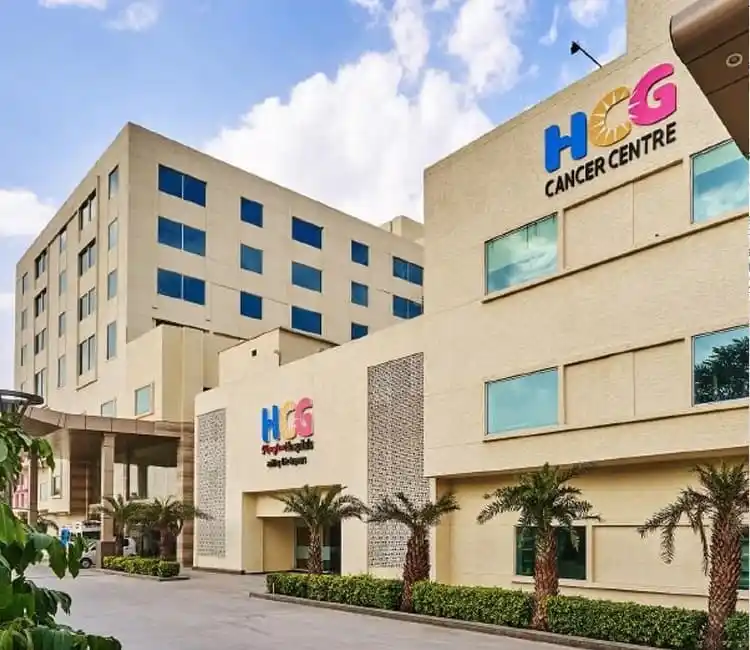
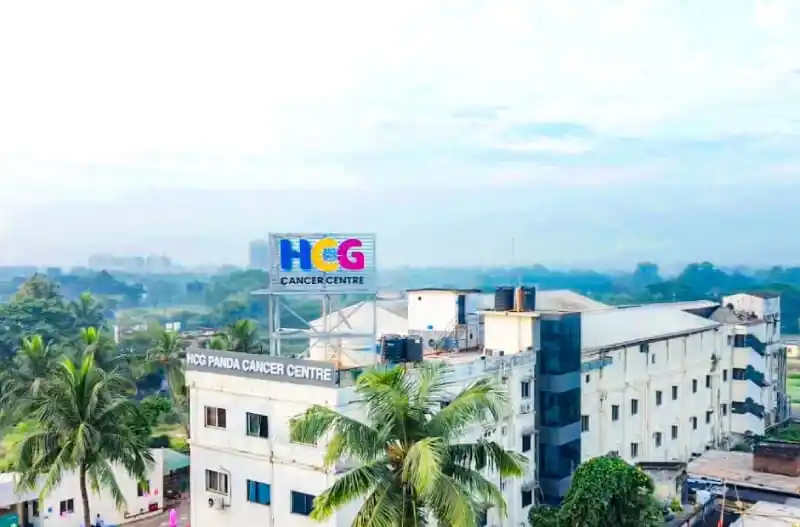
HCG Cancer Hospital combines multidisciplinary expertise, advanced diagnostics, and patient-centered care to support treatment planning and delivery.
Medical oncologists work across two main groups. Solid tumors develop in a specific organ or tissue, such as the breast, lung, colon, and so on.
Hematological malignancies originate in the blood, bone marrow, or lymph nodes and follow a distinct pattern. Solid tumor management typically involves surgery or radiation therapy. Blood cancer treatment, by contrast, often rests almost entirely on systemic therapy.
Decades in, chemotherapy still holds a central place in cancer drug therapy, and for good reason. It works across a wide range of tumor types by targeting cells that are dividing rapidly. Whether it is used before surgery to bring a tumor down in size, after surgery to lower recurrence risk, or as the main treatment route, the approach is always supervised.
At HCG Cancer Hospital, systemic chemotherapy management is delivered through dedicated day care units where patients are monitored throughout treatment to ensure safety, effectiveness, and supportive care when needed.
Cancer cells can develop mechanisms that help them evade detection by the immune system. They produce proteins that tell the immune system to back off. Immunotherapy blocks that signal. Once that protection is stripped away, the body's own defenses can identify cancer cells and attack them far more effectively.
Depending on the cancer type and clinical context, this may involve checkpoint inhibitors or certain monoclonal antibodies. Targeted therapy and immunotherapy are frequently considered side by side when molecular testing supports both.
Not all cancers respond to the same drugs, and targeted therapy exists precisely because of that. These medicines home in on specific proteins or
Genetic mutations that are actively fueling a tumor's growth. Since they work on defined molecular targets, the impact on healthy tissue is typically lower than with chemotherapy. Before any targeted drug is recommended at HCG, Cancer Hospital runs molecular profiling to confirm which agents are actually relevant to that patient's tumor.
Certain cancers do not grow on their own; they feed on hormonal signals. Breast and prostate cancers are the clearest examples. Hormone therapy cuts off that fuel supply either by blocking the signals directly or by reducing hormone levels in the body. Depending on the overall treatment picture, it may stand alone or run alongside other systemic approaches.
Standard treatment asks, "What type of cancer is this?" Precision oncology goes further and asks, "What is specifically driving this patient's cancer?" Using molecular and clinical data, the aim is to build a clearer picture of the tumor's individual characteristics. That picture then directly shapes personalized cancer treatment planning.
Supportive and palliative cancer care is misunderstood more often than not. It is not a signal that treatment is ending. It is actually part of the treatment from the very beginning. At HCG Cancer Hospital, pain management, nutritional support, fatigue care, and psycho-oncology services are folded into the process early. Comprehensive oncology care means patients should never have to trade their quality of life just to stay on a treatment plan.
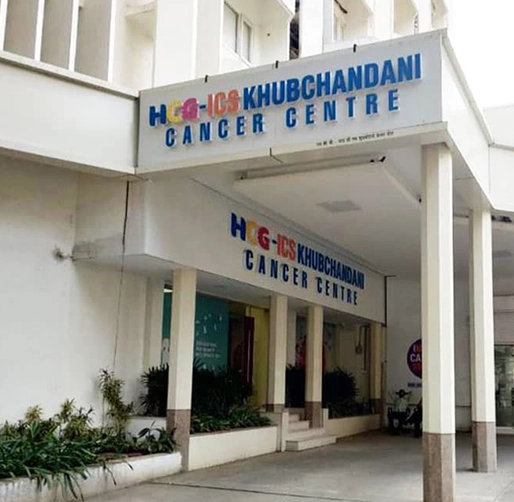
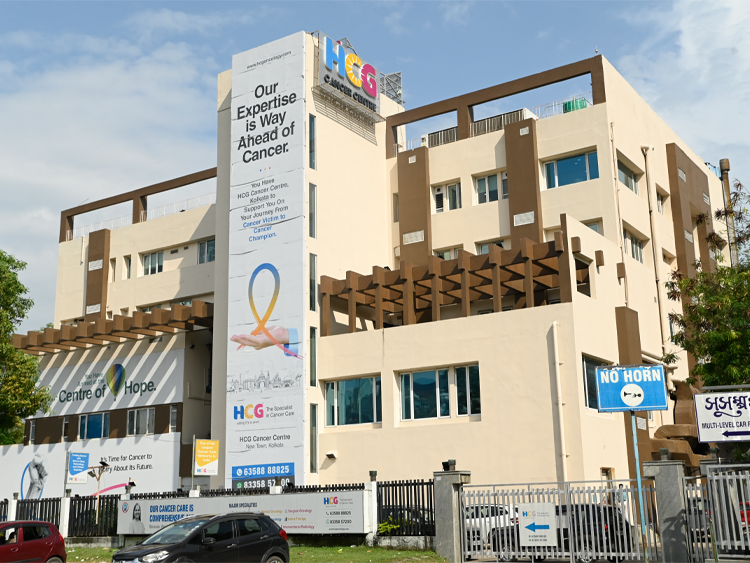
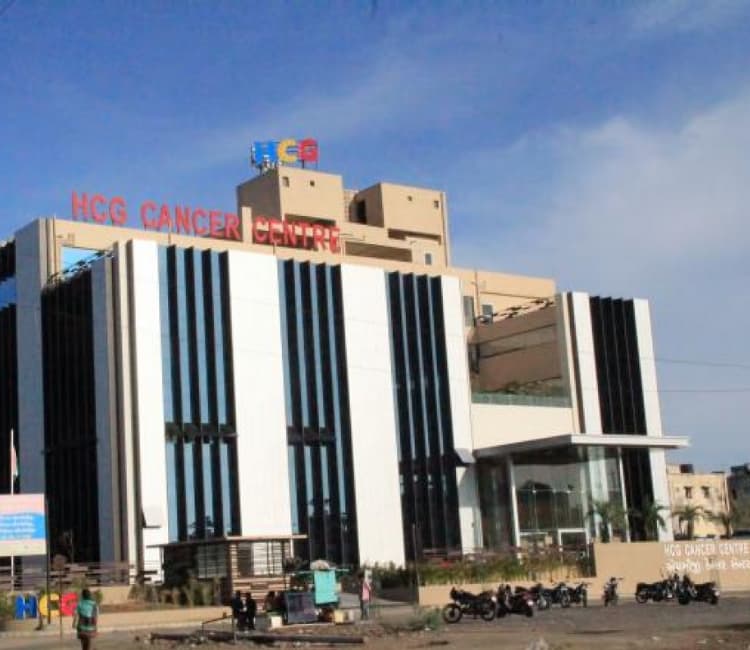
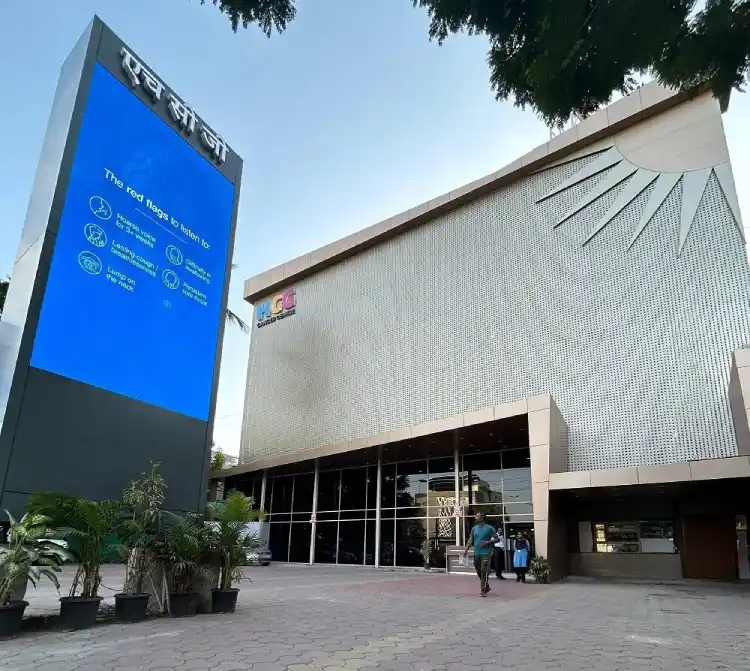
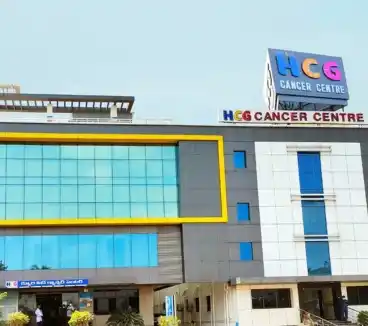
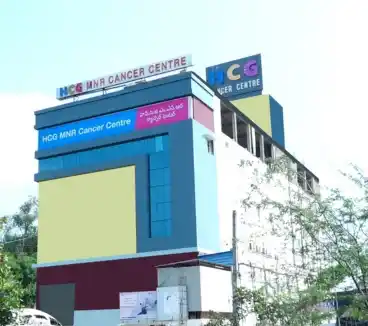
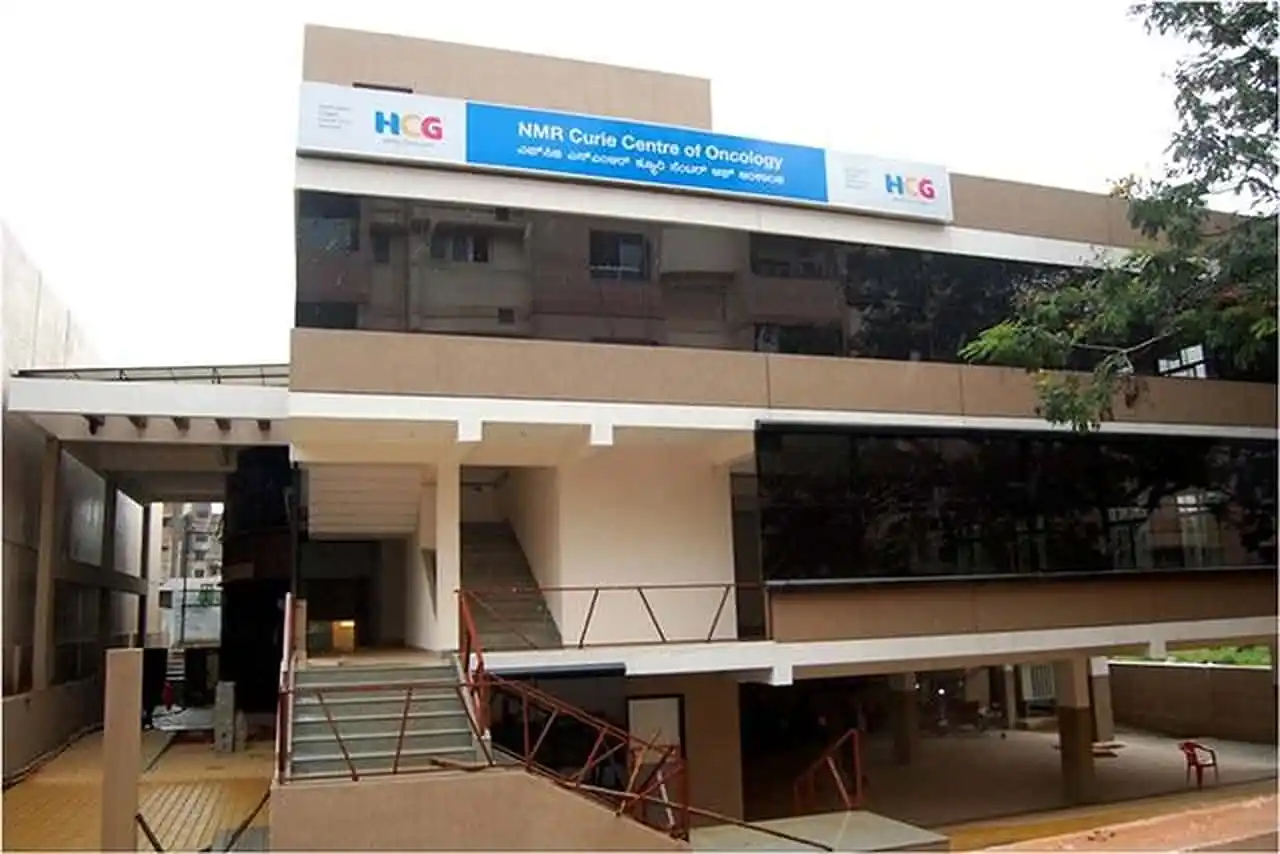
HCG Cancer Hospital runs cancer care centers across several Indian cities. Patients can look up specialists by city or cancer type to find someone at their nearest center. In-person and virtual appointments are both on the table, so geography does not have to be a reason to delay getting an expert involved. Booking is available through the HCG Care App, the HCG Cancer Hospital website, or directly through the patient helpline.
Feel free to reach out to us.