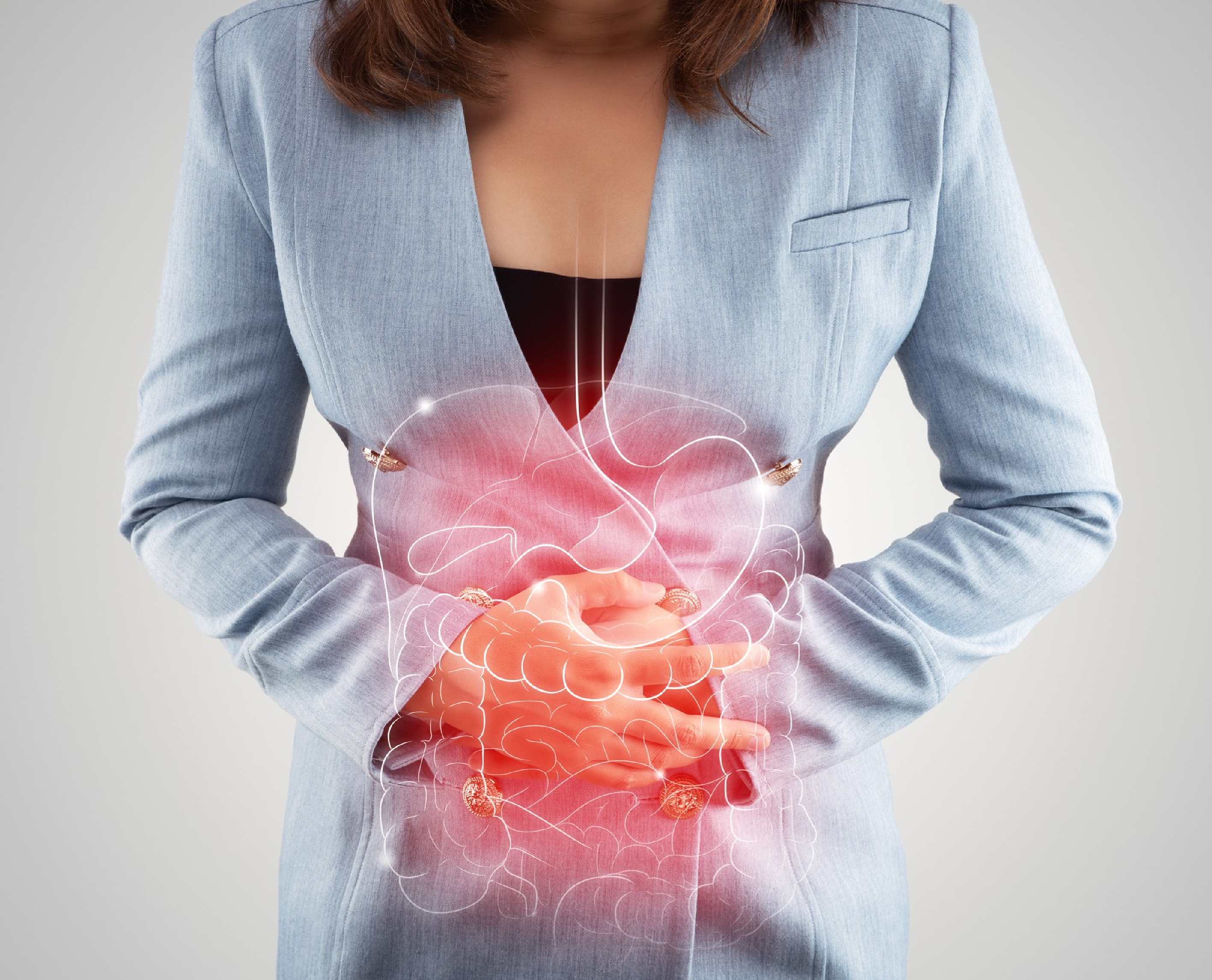
No two GI cancers are the same. They are different from one another both physically and biologically.
Therefore, these cases are best managed by experts who specialize in organ-specific care.
Upper GI Oncology
Esophageal and stomach cancer are two types of malignancies that affect the upper GI system. These
cancers often get diagnosed in later stages, as the early symptoms are often subtle.
Common symptoms may include mild swallowing difficulties, a sense of fullness even with a little intake
of food, and unintentional weight loss.
Upper GI cancers demand a comprehensive approach involving detailed diagnostics, unimodal or multimodal
treatment plans, and a proper follow-up plan.
Hepato-Pancreato-Biliary (HPB) Care
Cancers of the liver, pancreas, and bile ducts are referred to as hepato-pancreato-biliary cancers.
Because of the location of these organs and the nature of these malignancies, patients will need
advanced surgical and treatment expertise for better outcomes.
Depending on the extent of the disease, the treatment plan may be unimodal or multimodal.
Surgical experience, perioperative planning, and postoperative care involving several specialties all
play an important role in deciding outcomes for these cancers.
Lower GI Oncology
Cancers affecting the lower gastrointestinal tract, including the cancers of the small intestine, large
intestine, appendix, rectum, and anus, are referred to as lower GI cancers.
For some cancers, doctors may also prioritize organ preservation along with cancer removal. For example,
in the case of rectal cancer, surgeons often look for oncologically safe surgical approaches that
preserve the sphincter (a ring-like muscle in the anal region that controls bowel movements) wherever
possible.
These considerations are crucial for a better quality of life after cancer treatment.
A poor diagnosis may lead to ineffective treatment. For any cancer to be treated properly, it should
be diagnosed and staged accurately. At HCG Cancer Hospital, we use modern diagnostic approaches to
detect, diagnose, and stage different types of gastrointestinal (GI) cancers precisely.
Visualizing GI Cancers
Modern imaging procedures, such as contrast-enhanced computed tomography (CT), magnetic resonance
imaging (MRI), and positron emission tomography (PET/CT), are utilized to assess the tumor's size,
nodal involvement, and distant metastasis. Using these methods, surgical planning and decisions
about systemic therapy are made by doctors.
Endoscopic ultrasonography can be used to assess the depth of invasion and nodal status in
pancreatic and upper gastrointestinal cancers.
Pathology Tests for GI Cancers
A biopsy may be performed to confirm the diagnosis. Additionally, molecular profiling may be
recommended for better treatment planning.
Pathology tests play a huge role in determining margins, tumor grades, and actionable biomarkers.
Early Detection Through Screening
Doctors recommend colonoscopies for colorectal cancer screening and surveillance for average-risk
individuals between the ages of 45 and 75. A type of endoscopy, colonoscopy looks for precancerous
growths/lesions like polyps, which can be removed through polypectomy before they become cancerous.
Early detection of GI cancer benefits patients in multiple ways. It reduces the need for complex and
more aggressive treatment regimens, improves the overall treatment outcomes and survival rates, and
preserves the quality of life among patients.
As a leading hospital for gastrointestinal cancer treatment in Bangalore, HCG uses various minimally
invasive approaches, such as robotic surgery, laparoscopic surgery, and endoscopic surgery, to treat
different types of GI cancer.
Surgery is the primary therapeutic option for the majority of localized gastrointestinal cancers.
The approach has an impact on both the recovery process and long-term performance.
Complex Resections
Common surgical approaches used for GI cancers:
- Esophagectomy (partial or complete removal of the esophagus)
- Gastrectomy (partial or complete removal of the stomach)
- Hepatectomy (partial or complete removal of the liver)
- Whipple procedure (removal of the pancreas, duodenum, gallbladder, and bile duct)
- Colectomy (partial or complete removal of the colon)
- Proctectomy (partial or complete removal of the rectum)
Doctors may prioritize organ preservation wherever possible. All these procedures are performed with
utmost precision and care to ensure accurate margins and lymph node dissection while reducing damage to
healthy tissue in the nearby regions.
Excellence in Minimally Invasive Surgeries
Robotic Surgery
Robotic surgeries involve tiny incisions through which surgeons insert specialized tools to operate on
the tumor and remove it. Robotic surgery for GI cancer improves health outcomes by improving the overall
surgical precision, causing fewer treatment-related complications, and supporting faster wound healing
and faster recovery.
Laparoscopic Surgery
Just like robotic surgery, laparoscopic surgery also involves tiny incisions. This method reduces pain
and discomfort after the procedures; the hospital stays are often shorter, and patients return to their
routine activities quickly.
Organ-Preserving Endoscopy
It is occasionally possible to treat gastrointestinal cancers in their early stages without requiring
major surgery. In such cases, doctors perform an endoscopic surgery.
- Endoscopic Mucosal Resection (EMR): EMR can be used to eradicate superficial
mucosal ulcers. It is
commonly used in the early stages of stomach cancer and in certain esophageal lesions. EMR can help
in treating the disease without affecting the organ or its functions.
- Endoscopic Submucosal Dissection (ESD): ESD allows for the en bloc removal of
larger or deeper early
cancers. The treatment requires substantial endoscopic expertise, but it has the potential to give
curative resection in well-selected cases.
These operations help preserve anatomy and function in people who have been diagnosed early.