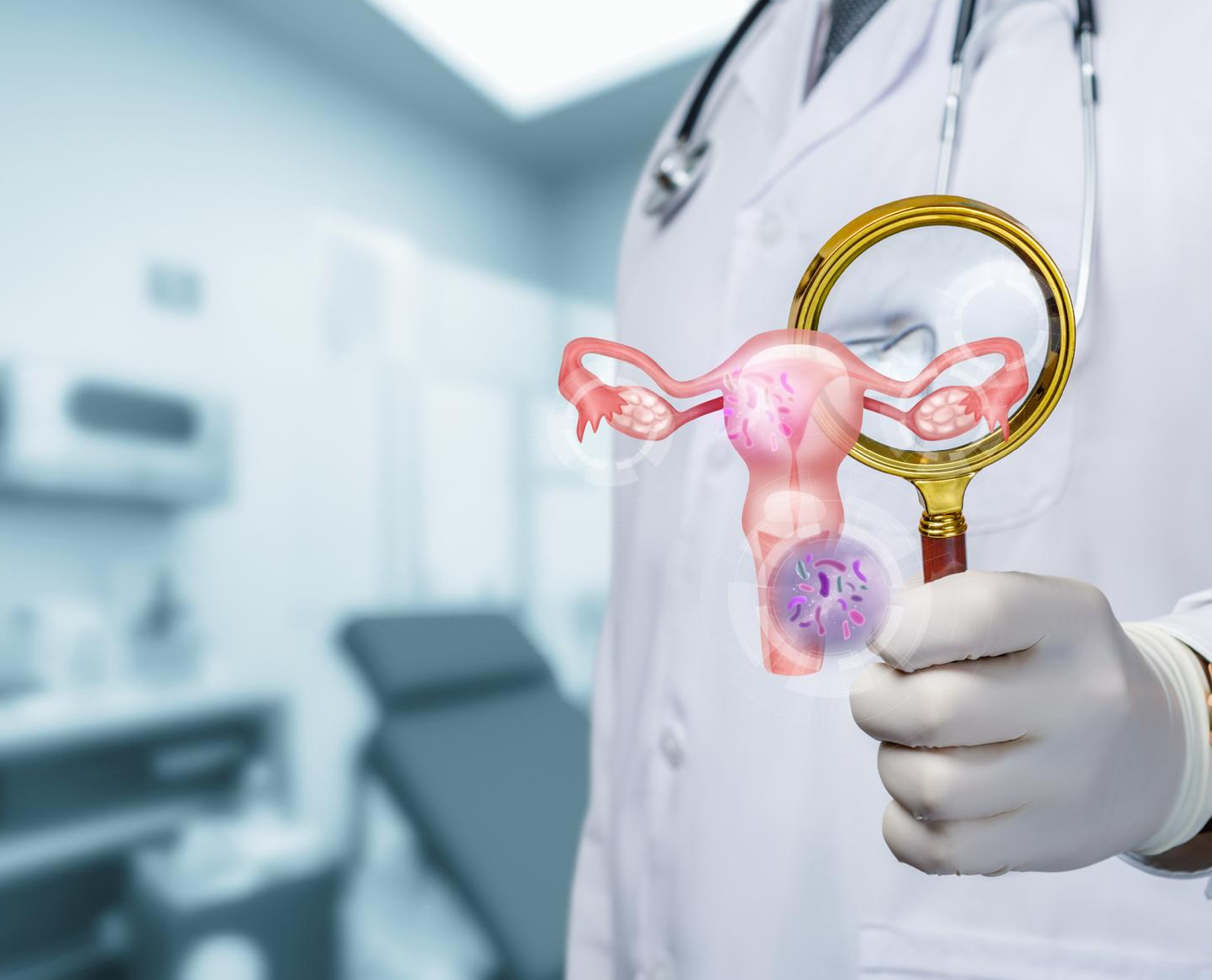
Gynecological oncology focuses on the prevention, screening, diagnosis, treatment, and management of
malignancies affecting the female reproductive system.
Each type of gynecological cancer has its own unique risk factors, symptoms, and treatment approaches.
Vaginal and Cervical Cancer Care
Cervical cancer, which is the most common gynecological cancer in India, has been found to occur due to
persistent infection with high-risk human papillomavirus (HPV), according to the WHO reports.
Vaginal cancer is a relatively rare gynecological cancer; however, early interventions and personalized
care become very important for its effective management.
Common symptoms include abnormal vaginal bleeding, persistent vaginal discharge, pelvic pain or
discomfort, pain during sex, and lower back pain.
At HCG, specialists treat cervical cancer and vaginal cancer with customized treatment plans, depending
on cancer stage, fertility considerations, and overall health.
Ovarian & Fallopian Tube Cancer Care
Ovarian cancer commonly presents with subtle or non-specific symptoms initially, and these are easily
missed by many women, leading to advanced-stage diagnoses.
Although rare, fallopian tube cancer is biologically comparable to ovarian cancer and can be treated
similarly.
Surgery and chemotherapy are commonly recommended treatment options. At HCG, doctors aim to safely
remove as much disease as possible, along with measures to preserve the quality of life.
Uterine and Endometrial Cancer Care
Endometrial cancer is another one of the common gynecological cancers. It often presents with abnormal
uterine bleeding and is diagnosed in the early stages.
Comprehensive surgical approaches are recommended, and in selected cases, doctors may consider
fertility-sparing treatment.
A correct diagnosis is crucial for the effective treatment of gynecological cancers. Upon arriving
at a conclusive diagnosis, the disease is staged precisely and the right treatment approach is
planned.
Initial Evaluation
The initial evaluation includes a complete medical history assessment and physical exam. Doctors
evaluate the symptoms and menstrual, reproductive, and family histories.
Additional tests are recommended to find out the cause of the underlying symptoms.
Precision Testing
Tests like the Pap test, specific blood tests, imaging scans, and biopsies are recommended for the
diagnosis of gynecological cancers.
A biopsy confirms the diagnosis, and imaging scans help determine the extent of the disease and plan
the treatment accordingly.
Each step is designed with patient comfort and safety in mind.
Regular Cancer Screening
Regular Pap tests have considerably reduced cervical cancer incidence in screened groups. Early
detection is an important protective measure.
Specialists in hospitals like HCG Cancer Hospital recommend appropriate screenings at regular
intervals based on age and risk profile.
HCG Cancer Hospital is known for offering comprehensive gynecologic oncology treatment in Bangalore.
Surgery is often considered the first line of treatment for gynecological cancers, especially in the
early stages. Oncologic safety and long-term health are prioritized while developing a surgical
plan.
Advanced Resection
Doctors recommend different surgical approaches for gynecological cancers depending on the type, stage,
exact location, the patient's age and overall health, and lastly, their preferences. Both open and
minimally invasive approach, such as laparoscopic surgery, may be used.
The following are the different surgical approaches for gynecological cancers:
- Wide local excision (removal of the tumor with a small margin of healthy tissue)
- Total hysterectomy (removal of the uterus along with the cervix)
- Radical hysterectomy (removal of the uterus, cervix, and surrounding tissues, along with parts of
the vagina and lymph nodes)
- Unilateral/bilateral Salpingo-oophorectomy (removal of the fallopian tube and ovary on one or both
sides)
- Omentectomy (removal of the omentum, which is the fatty tissue that covers the abdominal organs)
- Removal of lymph nodes
- Cytoreductive or debulking surgery
Robotic Surgery for Gynecological Cancers
For early-stage gynecological cancers, doctors may recommend robotic surgery; this approach reduces
blood loss, hospital stay, and recovery time.
Each treatment approach is carefully evaluated to ensure that the patient receives the right care they
need and returns to the best state of health possible.
Specialists at HCG recommend organ preservation surgery in carefully selected early-stage cases. After
tumor removal, reconstructive surgery can restore anatomy and function.
Other treatment approaches, such as chemotherapy, targeted therapy, hormone therapy, etc., may be
recommended along with surgery to improve the overall treatment outcomes.
Recovery After Gynecological Cancer Treatment: HCG's Recommendations
Recovery after gynecological cancer treatment involves pain management, early mobilization, nutritional
guidance, and psychosocial support.
It is important for patients to keep up their follow-up appointments after their treatment. These
follow-up visits play an important role in managing side effects caused by the disease or its treatment,
planning strategies that help in long-term remission, and looking for early signs of recurrences.