Considered the best radiation oncology hospital in Bangalore, HCG Cancer Hospital is known for its comprehensive and high-precision radiation oncology treatments, which include external beam radiation therapy and internal beam radiation therapy. Modern technologies, innovative treatment plans, and multidisciplinary approaches form the cornerstone of cancer treatment at HCG.
With a special emphasis on precision, safety, and patient-centricity, our radiation oncologists strive to deliver the right treatment, the first time.
Radiation oncology is a cancer care discipline that focuses on managing cancer through calibrated and controlled radiation beams while limiting radiation exposure to nearby healthy tissues. At HCG, specialists recommend radiation therapy for a wide range of cancers diagnosed in different stages, depending on individual case parameters.
To give patients the finest cancer treatment possible, HCG Cancer Hospital, a well-known radiation oncology hospital in Bangalore, combines clinical expertise with state-of-the-art equipment.
Key strengths include:
We at HCG Cancer Hospital provide a range of cutting-edge options for radiation treatment that are customized to meet the unique therapeutic requirements of every patient.
Planning for radiation therapy is a complex process, and various factors, including the type of cancer, the tumor's size and location, the disease's stage, any previous treatments, and the eventual treatment objective, are taken into consideration.
Radiation oncologists at HCG adhere to clinical standards supported by research and internationally accepted safety requirements. By integrating state-of-the-art imaging equipment, treatment planning software, and quality assurance methods, our specialists at HCG strive to make sure that the radiation is delivered precisely to the tumor while preserving healthy tissues nearby.
At HCG Cancer Hospital in Bangalore, we house high-end radiotherapy options like CyberKnife Radiotherapy, Ethos Adaptive Radiation Therapy, and TomoTherapy H, which facilitate precise and safe radiation therapy for a broad spectrum of cancers.
The following are the different radiotherapy treatment options available at HCG Cancer Hospital.
External beam radiation therapy, or EBRT for short, is a type of treatment that uses strong radiation beams created outside the body with advanced machines called linear accelerators.
This technique allows radiation oncologists to direct and shape radiation beams according to the size and location of the tumor. Numerous cancers, such as breast cancer, lung cancer, prostate cancer, gastrointestinal cancers, brain tumors, and head and neck cancer, are treated using EBRT.
Generally, radiation oncologists deliver EBRT over several sessions to enhance treatment effectiveness and improve tissue protection.
Intensity-Modulated Radiation Therapy (IMRT) is a precise radiotherapy technique wherein highly advanced computer algorithms shape and regulate many tiny radiation beams.
By adjusting beam intensity at various angles, IMRT delivers high dosages directly to tumors while reducing exposure to healthy tissues nearby.
This approach is particularly successful for irregularly shaped or complicated tumors, boosting results while minimizing adverse effects.
Real-time imaging is used in image-guided radiation therapy (IGRT) to confirm the tumor's position both prior to and during each treatment session.
IGRT is particularly advantageous when tumors are close to vital organs or when breathing, bladder filling, or weight fluctuations alter the internal architecture.
A very advanced adaptive technique called Ethos Adaptive Radiation Therapy enables radiation treatment regimens to be modified in response to daily anatomical changes seen during therapy.
Adaptive radiation therapy helps maintain accuracy throughout the therapy among patients. Strict quality assurance standards, specialized knowledge, and a comprehensive clinical evaluation are necessary for the use of adaptive radiation treatment.
Stereotactic radiation therapy has the capacity to provide high-dose, highly focused radiation with submillimeter precision while needing fewer treatment sessions than standard radiation therapy. When tumors are tiny, well-defined, and situated close to sensitive areas, these methods are frequently employed.
At HCG Bangalore, all radiotherapy platforms, namely CyberKnife, Ethos Adaptive Radiation Therapy, and TomoTherapy H, employ motion tracking, computer-guided beam delivery, and sophisticated imaging techniques to precisely target cancers through the SBRT technique.
SBRT is recommended to treat the cancers of the spine, lungs, and prostate. Appropriate patient identification and preparation are essential for ensuring safety and effectiveness.
Stereotactic Radiosurgery (SRS) is a non-invasive radiation therapy that employs highly focused, high-dose beams to target small, well-defined areas of the brain or body. Despite the name, it does not involve any actual surgery.
SRS employs advanced imaging and precise placement to treat tumors, vascular abnormalities, or functional limitations in one or two sessions, minimizing damage to healthy tissue while giving greater local control.
One type of treatment utilized in internal radiation therapy is brachytherapy. This treatment involves inserting radioactive sources into or around the tumor. This technique makes it possible to administer a high radiation dosage to the cancerous growth while reducing the amount of radiation that nearby healthy tissues receive.
Brachytherapy is frequently used to treat a variety of thyroid and head and neck tumors, prostate cancer, and gynecologic cancers. Brachytherapy can be used either alone or in conjunction with external beam radiation therapy, depending on the desired outcome.
Depending on the patient's requirements, it can also be used as a temporary or permanent implant. The therapeutic techniques are grounded in recognized oncologic criteria and necessitate the knowledge and experience of a qualified specialist.
By increasing the temperature of tumor tissues in a controlled environment, hyperthermia treatment aims to enhance the biological effects of radiation therapy. In certain situations, hyperthermia may make the tumor more sensitive to radiation when paired with radiation treatment. This is particularly true when the cancer has returned or spread locally.
At HCG, hyperthermia-assisted therapy is only employed when clinically appropriate and combined with therapeutic approaches. This treatment necessitates close observation, the use of specialist technology, and collaboration from a range of academic fields to ensure the patient's safety.
Before determining whether to use hyperthermia, a physician assesses the patient. The choice to use the treatment is subjective because certain malignancies do not react well to it.
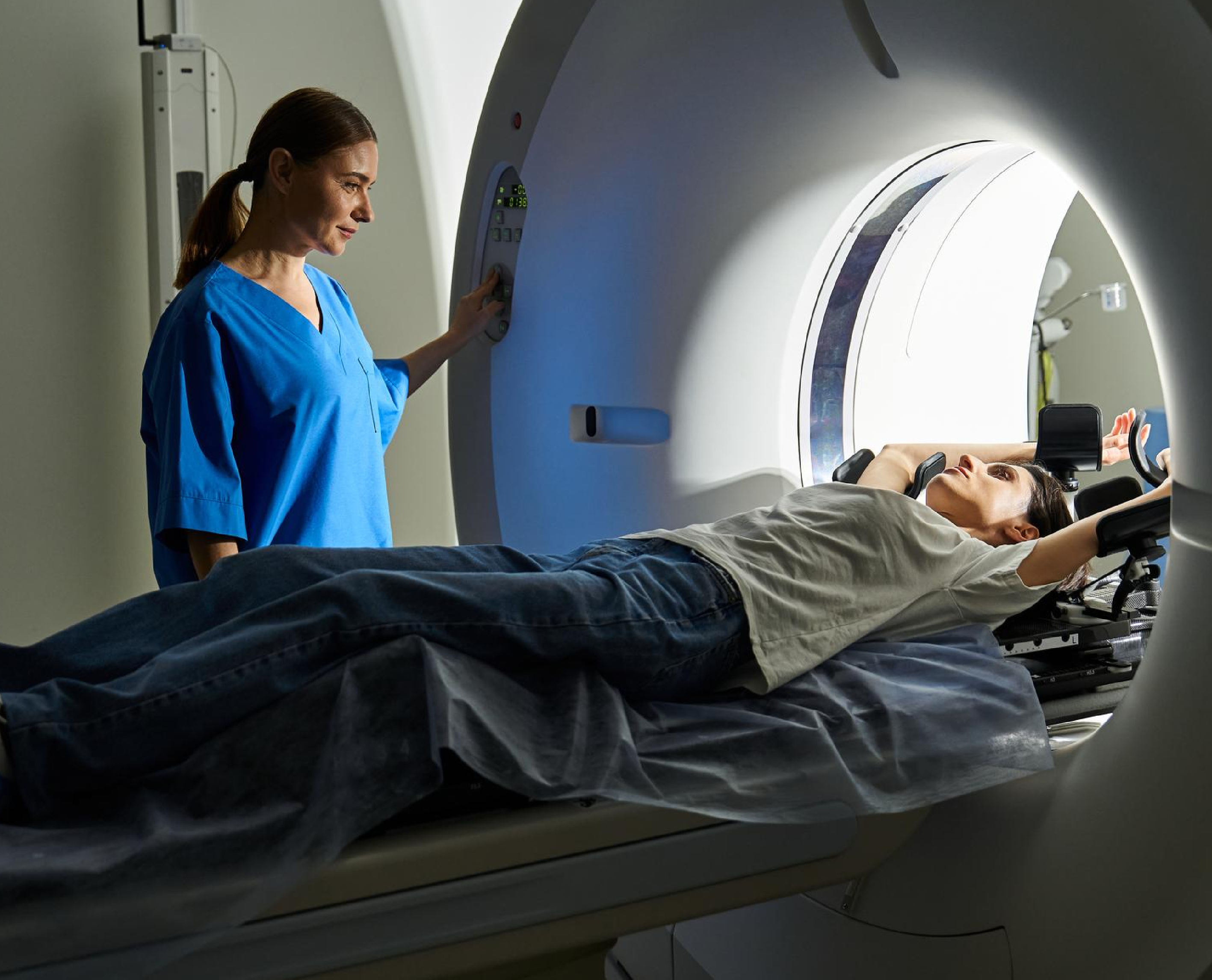
Through state-of-the-art radiation therapy facilities, HCG Cancer Hospital delivers precise, safe, and reliable treatment for cancer patients. The following are some of the highly advanced radiotherapy platforms installed at HCG Bangalore to treat different types of cancer.
As the world's first whole-body robotic radiosurgery platform, CyberKnife is specially designed to deliver SRS and SBRT treatments. CyberKnife uses advanced robotics and real-time image guidance to deliver highly precise and accurate radiation doses to the target area.
Radiation delivery on CyberKnife can be adjusted based on patient movement and respiratory motion during treatment, ensuring that radiation is precisely delivered to the tumor while minimizing damage to surrounding healthy tissues.
CyberKnife facilitates radiotherapy administration through the techniques of SRS and SBRT.
The Ethos Adaptive Radiation Therapy Platform is powered by unique adaptive intelligence, which is the combination of artificial intelligence with adaptive therapy to capture and scan fine-grained images to determine the kind, size, and location of tumors and accordingly plan the treatment.
In comparison to conventional treatment delivery methods, online adaptive radiotherapy (oART) offers daily treatment delivery that responds to changes in tumor shape or size. This greatly reduces the amount of normal tissue exposed to radiation. On the couch, treatment plans are created, verified, and safely delivered.
The Ethos Adaptive Radiation Therapy platform can administer radiation therapy through multiple radiotherapy techniques, namely IMRT, IGRT, and SBRT.
TomoTherapy H is a helical beam delivery system integrated with advanced imaging facilities to facilitate accurate patient positioning and treatment planning.
Daily adaptive planning optimizes treatment plans based on the patient's anatomy, resulting in conformal dose distribution, more precise treatment, reduced side effects, enhanced imaging, and a better clinical outcome.
TomoTherapy H can deliver IMRT, IGRT, SBRT, and total body irradiation.
Radiation therapy can precisely target head and neck malignancies. It also offers the advantage of safeguarding the functions of speech and swallowing. Surgery reduces the likelihood of a tumor recurring, shrinks it, and makes it simpler to treat when it is difficult.
Radiation treatment, administered following surgery, eliminates any cancer cells that may have been left behind. This reduces the risk of cancer recurrence. Radiotherapy may also help preserve breast tissue, reduce the risk of injury to other organs and support effective disease control and long-term management.
Radiation therapy is also recommended to target prostate tumors precisely while reducing damage to healthy tissues. It can successfully manage the disease's progression and reduce the risk of recurrence, whether used as the primary treatment or as an add-on treatment.
Radiation therapy for lung cancer decreases the tumor, improves symptoms such as coughing and shortness of breath, and enhances the likelihood of survival. It can be used in conjunction with chemotherapy or surgery and can target particular areas of the chest.
Radiation therapy reduces the tumor size, relieves the obstruction, and prevents the spread of malignancies in the GI tract. It improves the patient's quality of life and makes it easier to maintain local control when combined with chemotherapy or surgery.
Radiation therapy is a commonly recommended treatment option for cervical cancer. Both the internal beam therapy and the exterior beam approach can harm cervical cancer cells. It is most commonly used in conjunction with chemotherapy to improve outcomes.
Rather than surgery, patients with bladder cancer should have radiation treatment to save their bladder. It can also be used with chemotherapy to improve the treatment's overall efficacy.
Radiation therapy can precisely target brain cancers while preserving healthy tissue. When surgery is hazardous or complete removal is not feasible, this is critical since it inhibits tumor development and alleviates neurological symptoms.
Radiation therapy for spinal cancer works by shrinking tumors, relieving pain, and keeping the spinal cord functioning. When surgery or other therapies are unavailable, it offers noninvasive therapy, reduces the risk of recurrence, and improves mobility.
Radiation oncology is a subspecialty of oncology that destroys or damages cancer cells and controls cancer growth using powerful radiation beams.
It may help reduce tumor size, delay the evolution of the illness, or improve symptoms, depending on the clinical condition.
A patient should visit a radiation oncology hospital in Bangalore when they are recommended to undergo radiotherapy as part of their treatment plan.
This may take place prior to or during surgery, in conjunction with chemotherapy, or for symptom management, depending on the oncologist's evaluation.
CyberKnife, Ethos Adaptive Radiation Therapy, TomoTherapy H, Brachytherapy, and Hyperthermia are the main advanced radiation technologies available at HCG Cancer Hospital in Bangalore.
Clinical indications and patient-specific considerations are taken into account while selecting a technology.
Yes, radiation therapy is safe and precise at HCG Cancer Hospital in Bangalore. The hospital continuously adheres to quality inspections, safety regulations, and evidence-based planning methods to ensure enhanced safety and comfort for our patients.
CyberKnife is a robotic radiotherapy platform that accurately targets and delivers radiation to manage cancers of the brain, spine, and some lung and prostate cancers. CyberKnife frequently requires fewer sessions for high-dose therapy.
TrueBeam, a flexible linear accelerator that employs external beam radiation to treat different types of cancer. It offers both regular and hypofractionated regimens to meet the diverse needs of cancer patients.
Brachytherapy, which entails injecting radioactive sources into or around malignancies, makes localized treatment possible. Brachytherapy reduces radiation exposure to healthy tissues close to the tumor. This is a highly effective treatment approach for head and neck, prostate, and gynecologic malignancies.
Feel free to reach out to us.