25 Aug, 2026
25 Aug, 2026

This article is medically reviewed by Dr. Srinivasa B J, Senior Consultant - Medical oncology.
Colon cancer is one of the most common cancers worldwide, and cases among younger adults have been increasing in recent years. In women, the early symptoms can be particularly difficult to recognize because they often resemble common digestive, hormonal, or gynecological conditions. Understanding the warning signs and knowing when to seek medical evaluation can help support earlier diagnosis and better treatment outcomes.
Changes in bowel habits, bloating, constipation, stomach discomfort, or fatigue may seem minor in the beginning, especially when they happen gradually. In many cases, these symptoms are linked to less serious conditions, but symptoms that continue for weeks should not be ignored.
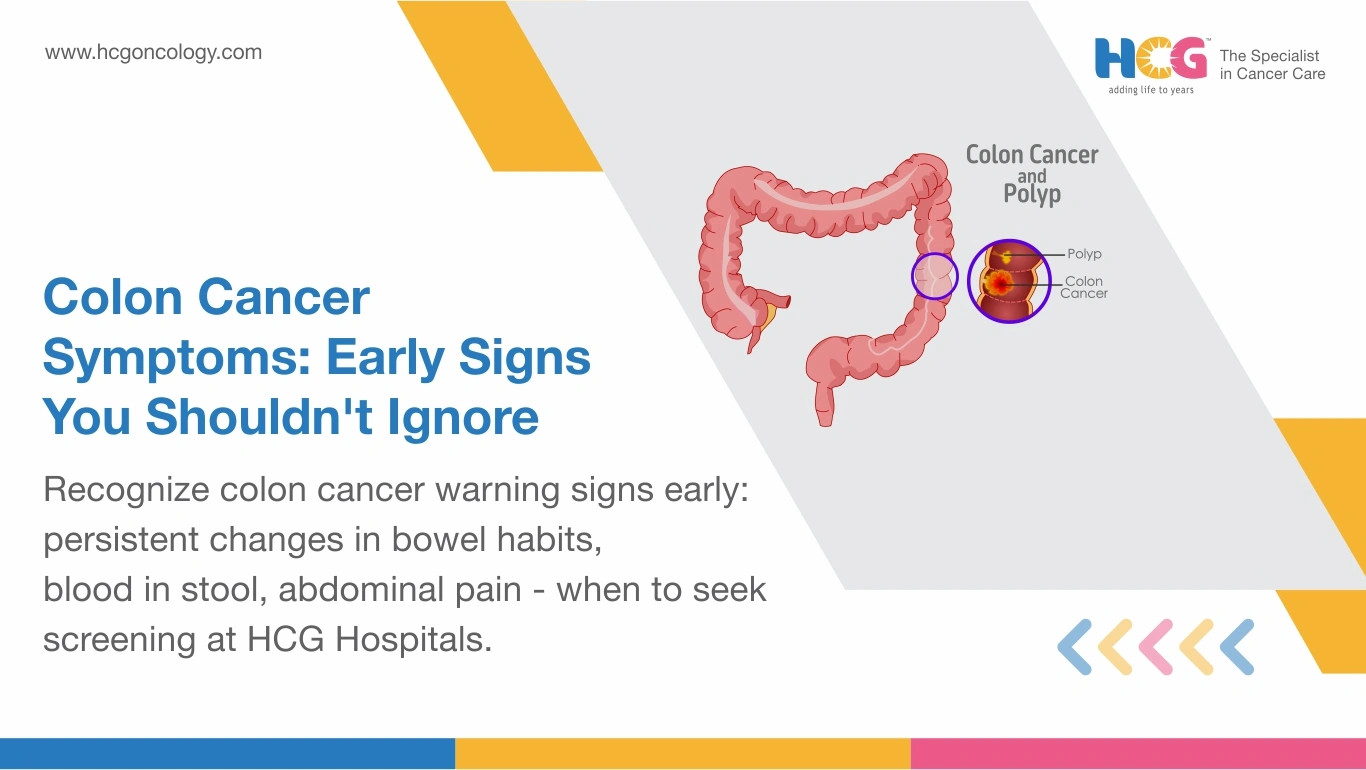
Colon cancer occurs when cells lining your large intestine start growing out of control. Your colon stretches about five feet long, pulling water out of digested food before waste exits the body.
Most colon cancers begin as a polyp or multiple polyps that develop on the lining of the colon, which are small growths that form on the inner lining of the colon. Not every polyp becomes cancerous, but some can gradually develop into cancer over several years without causing noticeable symptoms.
Early warning signs of colon cancer in women may be subtle and are often mistaken for less serious digestive conditions. Common warning signs include:
A tumor can partially block the intestine, which may cause cramping and persistent lower abdominal pain that does not improve easily over time.
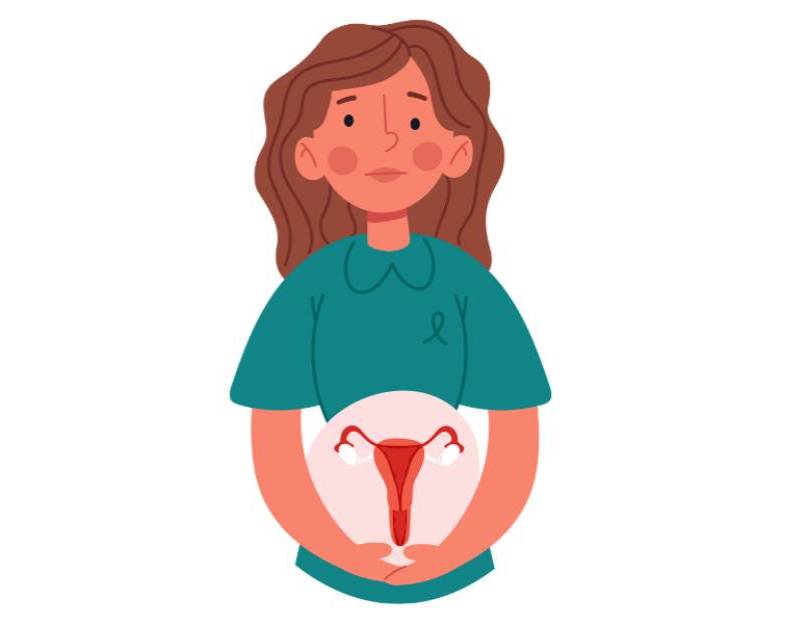
One challenge with colon cancer symptoms in women is that they can sometimes be mistaken for menstrual cramps or other common digestive issues. When bowel habit changes happen alongside pelvic pain or rectal bleeding, it is important not to ignore them.
Bowel cancer symptoms in women often develop slowly and without obvious warning. What makes them particularly easy to miss is how closely colorectal cancer symptoms mirror common gastrointestinal health issues, including irritable bowel syndrome, endometriosis, and hormonal gut changes. Rectal bleeding, persistent changes in bowel habits, and unexplained fatigue from internal blood loss are the key patterns that separate a routine complaint from something requiring a GI oncologist's attention.
On the surface, IBS and colon cancer can look like the same problem. But what they do over time is completely different:
| Feature | IBS | Colon Cancer |
|---|---|---|
| Pain pattern | Comes and goes, flares with food or stress | Builds gradually, stays constant |
| Blood in stool | No | Yes, it's possible |
| Weight loss | No | Yes, unexplained |
| Gets worse over time | Fluctuates | Progressively worsens |
IBS won't produce blood, won't trigger unexplained weight loss, and won't get steadily worse. While IBS symptoms may fluctuate over time, symptoms caused by colorectal cancer are more likely to persist or progressively worsen. Rectal bleeding, unexplained weight loss, and anemia are not typical features of IBS and should be evaluated by a healthcare professional. If your symptoms are doing the latter, seeing a GI oncologist (a doctor who specializes in digestive tract cancers) is what comes next.
Bloating by itself is usually not a sign of cancer. But when it sticks around daily for over two weeks alongside bowel changes or rectal bleeding, investigation matters. Persistent bloating accompanied by bowel habit changes, rectal bleeding, or unexplained weight loss may require further medical evaluation to determine the underlying cause. that chronic bloating in women over 40 sometimes gets blamed on gynecological issues when the colon is actually the source.
Getting colon cancer in your 20s or 30s is uncommon, but it's getting less so. ICMR data shows colorectal cancer in Indian adults under 50 has been rising.
Several risk factors are associated with an increased likelihood of developing colorectal cancer at a younger age. First, family history matters more than people realize. Lynch syndrome (a hereditary condition that drives cancer risk up) tends to trigger cancer at younger ages.
Second, diets heavy in processed meat and low in fiber show up in the data again and again. Third, inflammatory bowel disease, including Crohn's and ulcerative colitis, raises your baseline risk. Most oncologists agree that younger women with any of these factors should have the screening conversation earlier.
Colon cancer signs in the 20s and 30s are often subtle and easy to blame on diet, stress, or hormones. Unexplained rectal bleeding, persistent bowel habit changes, or unintentional weight loss in a young woman with a family history of Lynch syndrome should prompt early evaluation, not a wait-and-watch approach.
Regular screening plays an important role in detecting colorectal cancer at an early stage and identifying precancerous polyps before they become cancerous. A colonoscopy doesn't just find cancer early. It can actually prevent it by catching polyps before they turn malignant.
NCCN guidelines say average-risk adults should start at age 45. Family history? Start earlier, usually by 40. Stool-based tests like FIT or Cologuard work for lower-risk patients but need to be repeated every year. Stool-based screening tests require regular follow-up according to the recommended screening schedule. You've got to do it regularly for it to mean something.
Rectal bleeding during a period is not normal and should not be dismissed as a menstrual symptom. Any new or recurring rectal bleeding in women, particularly alongside bowel habit changes or pelvic pain, warrants clinical evaluation and not a wait-and-see approach.
Diagnosis typically begins with a review of symptoms, medical history, and family history.
Additional diagnostic tests may then be recommended. First, a colonoscopy looks at the inside of your colon directly. Second, anything concerning gets biopsied during that same procedure. Third, blood tests and CT scans figure out whether cancer has spread. Staging, or rather, mapping how far the disease has traveled, shapes the treatment plan at HCG Cancer Hospital.
Colorectal cancer cases at HCG Cancer Hospital are managed by surgical oncologists, GI specialists, and medical oncologists working together as one team. The hospital offers laparoscopic and robotic-assisted surgery for early-stage cases, along with chemotherapy and other treatments for more advanced stages of colorectal cancer.
But HCG Cancer Hospital handles the pre-diagnosis part too. Women unsure whether their symptoms need attention can book a consultation, and if testing is warranted, it happens at the same facility.
Book a screening consultation at your nearest HCG Cancer Hospital center.
Disclaimer: This article is for general informational purposes only and is not a substitute for professional medical advice, diagnosis, or treatment. Please consult a qualified healthcare provider for any questions regarding a medical condition.
Dr. Srinivasa B J
Senior Consultant - Medical oncology
Appointment Link: Book an Appointment with Dr. Srinivasa B J
Feel free to reach out to us.