25 Aug, 2026
25 Aug, 2026

This article is medically reviewed by Dr M Praveen Royal, Consultant - Surgical Oncologist.
A kidney biopsy is a test in which a small piece of kidney tissue is taken out and examined under the microscope. It helps in the diagnosis of kidney diseases, in finding the reason for abnormal kidney function, and also in the evaluation of suspicious kidney masses when blood tests or scans do not give clear answers.
The word “biopsy” may sound intimidating, but a kidney biopsy is a routinely done and minimally invasive procedure that helps doctors to plan the right treatment. In this blog, we will discuss why a kidney biopsy is done, what happens during the procedure, side effects, recovery, and how it helps in diagnosing kidney conditions, including kidney cancer.
When the doctors want to get a closer look at the kidney tissue to determine exactly the reason that the kidneys are not functioning as they should or why there are suspicious kidney masses or ongoing kidney damage, they do a kidney biopsy.
Kidney biopsy helps doctors to diagnose conditions that may not be clearly explained by blood tests, urine tests, or imaging scans so that they can recommend the best treatment option. Doctors usually recommend kidney biopsies when blood tests, urine tests, or imaging scans do not show a clear cause of kidney problems.
It may be recommended for conditions like proteinuria (too much protein in the urine), hematuria (blood in the urine), declining kidney function, or unexplained kidney disease. It is useful in diagnosing suspicious renal masses. It is useful in excluding rejection of transplanted kidneys.
A kidney biopsy can help diagnose several kidney conditions, including:
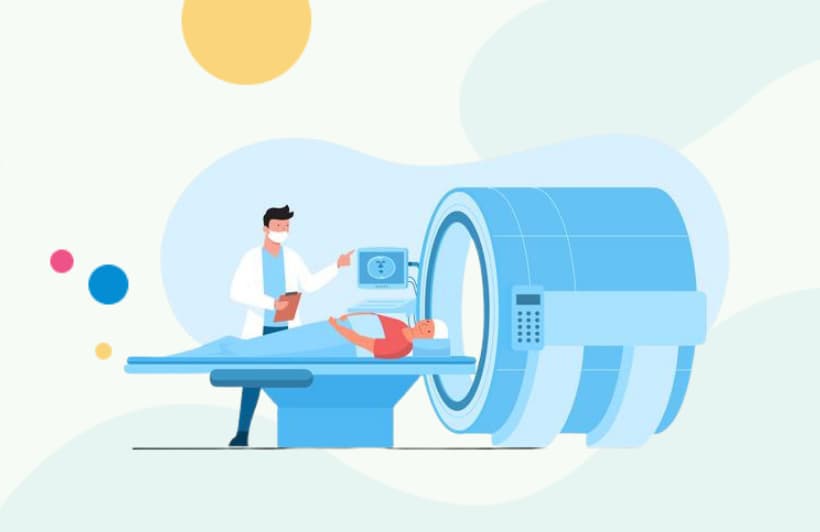
About 30 to 60 minutes is what the procedure itself takes. A percutaneous kidney biopsy is the most common approach. Lying face down is what you do; the doctor numbs the area with local anesthesia and uses an ultrasound-guided biopsy or CT-guided biopsy to position a needle biopsy precisely.
Core needle biopsy (CNB) extracts are small tissue cylinders for renal pathology analysis. Pressure during the procedure, but not sharp pain, is what most patients feel.
The needle goes in, collects a small tissue sample, and comes out. The entire process is well-controlled and guided by real-time imaging.
Different types of information are what kidney biopsy and imaging tests each provide.
Here's how kidney biopsy vs. imaging tests compare:
| Feature | Kidney Biopsy | Imaging (CT/MRI) |
|---|---|---|
| What it shows | Cell type, disease pattern | Size, shape, location |
| Accuracy for diagnosis | Gold standard | Suggestive, not definitive |
| Invasiveness | Minimally invasive | Non-invasive |
| Best for | Confirming disease or cancer | Identifying masses |
CT or MRI scans can help doctors determine the location and size of a mass in the kidney, but they can’t always identify what the abnormal tissue is. A kidney biopsy allows doctors to look at the tissue more closely and to look at the cells under a microscope. This helps confirm the diagnosis and provides a better understanding of the condition. Biopsy findings often help guide the appropriate treatment approach in many kidney diseases.
You may feel some slight pressure or discomfort during the biopsy, but you should not feel pain. The area of the biopsy is first numbed with a local anesthetic before the needle is inserted. The pressure you may feel at the time of the needle insertion is tolerable, but you may feel soreness at the site for a day or two after.
The side effects of a kidney biopsy include bleeding at the biopsy site, blood in the urine for 24 to 48 hours, and, rarely, infection.
Risks and complications of a kidney biopsy are generally low, but they're higher for patients on blood thinners or with bleeding disorders. A kidney biopsy in children and adults typically goes smoothly when performed by an experienced team, and serious complications aren't common.
Most patients go home the same day or the next morning. Kidney biopsy recovery time varies, but returning to normal activity within a week is typical for most people.
What should you avoid after a kidney biopsy? Heavy lifting, strenuous exercise, and contact sports should be off the table for at least two weeks. Anything that puts pressure on the kidneys should be avoided until your doctor clears you for those activities.
And it's important to watch for warning signs during recovery. Blood in urine that worsens after the first day, or rather, any bleeding that's getting heavier instead of lighter; fever; or increasing pain all warrant a call to your doctor.
Kidney biopsy results typically take five to seven business days, in most cases, or sometimes faster depending on the lab and complexity of the analysis, depending on how involved the microscopic examination and immunofluorescence staining turn out to be.
It can. A kidney biopsy can help determine whether a kidney mass is cancerous or benign. Most oncologists agree that not every kidney mass needs a biopsy. When imaging clearly shows cancer characteristics, some urologists proceed directly to surgery without performing a biopsy first.
But what a kidney biopsy for tumor diagnosis can do for smaller or ambiguous masses is prevent unnecessary surgery. First, the tissue goes to renal pathology for grading to determine how aggressive the cancer cells appear. Second, the pathologist classifies the cell type, which affects treatment options and prognosis. Third, staging determines whether further treatment is needed beyond surgery.
Interventional radiologist teams at HCG Cancer Hospital perform kidney biopsy procedures using ultrasound-guided and CT-guided techniques. Patients are supported throughout the process, from pre-procedure consultations and imaging-guided biopsy procedures to follow-up appointments for reviewing results. The team also coordinates with pathology specialists to ensure timely reporting and provides clear guidance on diagnosis, recovery, and the next steps in treatment.
It's one of the most routine diagnostic steps in kidney care and is performed regularly across all HCG Cancer Hospital locations. Learn about early cancer warning signs that shouldn't wait.
Book a kidney biopsy consultation at your nearest HCG Cancer Hospital center.
Disclaimer: This article is for general informational purposes only and is not a substitute for professional medical advice, diagnosis, or treatment. Please consult a qualified healthcare provider for any questions regarding a medical condition.
Dr M Praveen Royal
Consultant - Surgical Oncologist
Appointment Link: Book an Appointment with Dr M Praveen Royal
Feel free to reach out to us.