02 May, 2026
02 May, 2026
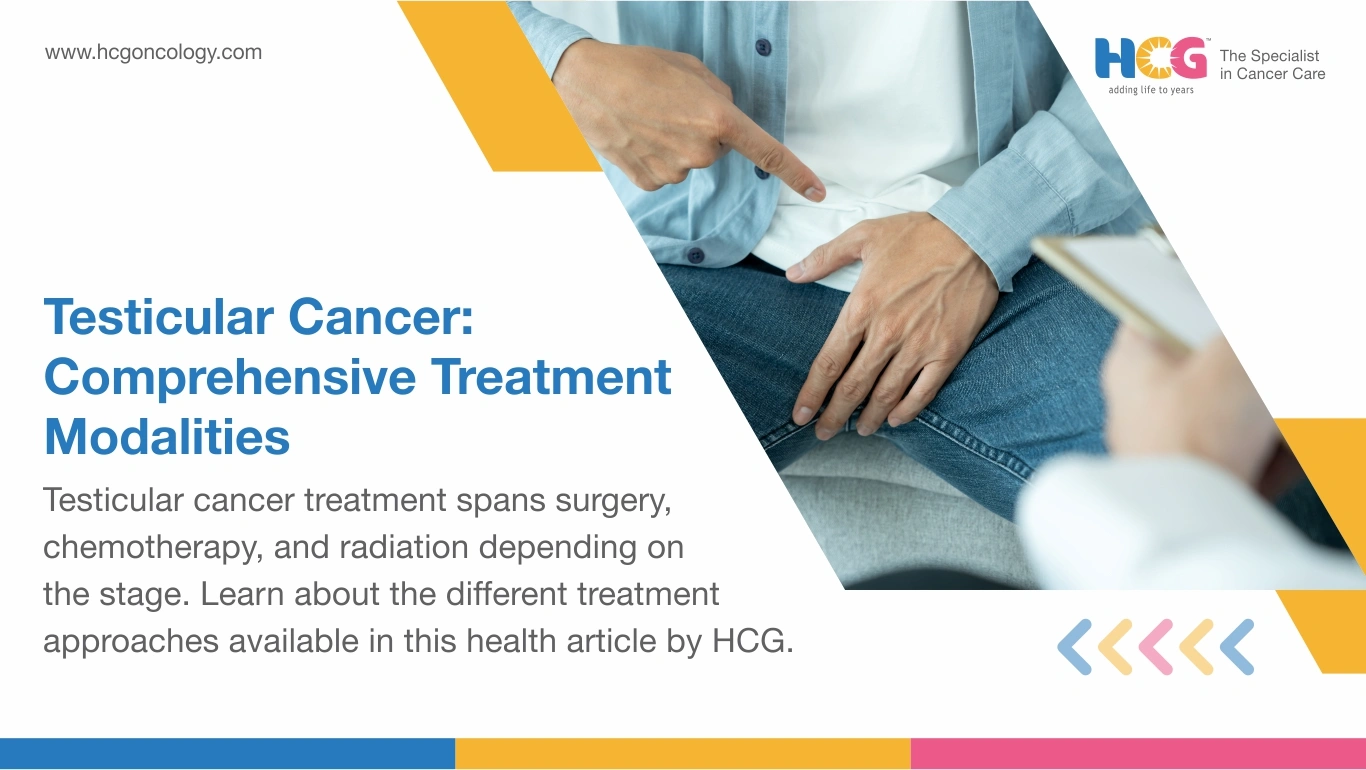
Testicular cancer treatment plans are often recommended based on individual case parameters. The first step across virtually every stage is surgical removal of the affected testicle, a procedure called radical inguinal orchiectomy. What follows depends on a single critical variable: whether the tumor is a seminoma or a non-seminomatous germ cell tumor (NSGCT). Seminomas respond well to radiation. NSGCTs typically require surgery on lymph nodes or systemic chemotherapy. Most men with localized disease achieve long-term remission. The pathway is well-mapped, and the outcomes are genuinely among the best in cancer medicine.
The table below captures the core treatment matrix. Tumor type and extent of spread together determine the pathway, not stage alone.
| Stage | Tumor Type | Primary Step | What Follows |
|---|---|---|---|
| Stage I | Seminoma | Orchiectomy | Surveillance, adjuvant RT, or single carboplatin cycle |
| Stage I | Non-Seminoma | Orchiectomy | Surveillance or nerve-sparing RPLND |
| Stage II | Seminoma | Orchiectomy | Para-aortic radiation or BEP chemotherapy |
| Stage II | Non-Seminoma | Orchiectomy | RPLND or platinum-based chemotherapy |
| Stage III | Both types | Orchiectomy | BEP or EP chemotherapy, 3-4 cycles |
Good to know: tumor marker levels (AFP, beta-hCG, LDH) measured after orchiectomy are as important as imaging when deciding what comes next.
Testicular Cancer treatment uses four modalities: surgery, chemotherapy, radiation therapy, and active surveillance. No single approach applies universally. The treatment choice maps directly to histological subtype and disease stage.
The testicle is extracted through a groin incision, not the scrotum. This matters clinically: a scrotal approach risks seeding cancer cells into a different lymphatic drainage system, which would change the staging and complicate treatment. The removed specimen is examined to confirm tumor type and identify vascular invasion, a key risk factor for relapse.
Orchiectomy is both a diagnostic and a therapeutic step. Many patients assume a biopsy comes first. In testicular cancer, the orchiectomy itself is the biopsy.
Active surveillance is not "watchful waiting" in a passive sense. It is a structured protocol of CT imaging, clinical examination, and serum tumor marker testing at defined intervals. For low-risk Stage I disease, surveillance avoids unnecessary treatment in the majority of men who will never relapse.
| Treatment Type | When It Is Used | How It Works | Key Points |
|---|---|---|---|
| Surgery (Radical Inguinal Orchiectomy) | First treatment step for almost every stage of testicular cancer | Removes the affected testicle through a groin incision to diagnose and eliminate the primary tumor | Often, the only treatment needed for Stage I disease |
| Chemotherapy | Used for stage II-III disease, relapsed cancer, or high-risk tumors | Uses drugs such as BEP (bleomycin, etoposide, cisplatin) to destroy cancer cells throughout the body | One of the few solid cancers where metastatic disease can still be curable |
| Radiation Therapy | Mainly used for seminoma tumors after surgery | Targets para-aortic lymph nodes with controlled radiation doses | Not used for non-seminoma tumors because they are radioresistant |
No. Chemotherapy for testicular cancer is not required at Stage I. Surveillance alone or adjuvant carboplatin covers most Stage I seminoma cases. BEP chemotherapy is reserved for bulky Stage II disease, all Stage III presentations, and relapsed disease after initial therapy.
Retroperitoneal lymph node dissection (RPLND) removes the lymph nodes behind the abdominal lining, the primary region where testicular tumors spread before reaching distant organs. It serves both as a staging tool and a therapeutic intervention.
Nerve-sparing techniques protect ejaculatory function. Minimally invasive robotic RPLND is available at select HCG centers, offering reduced blood loss and faster recovery without compromising nodal clearance. Post-chemotherapy RPLND, performed when masses persist after systemic treatment, typically involves more extensive dissection.
Radiation therapy for seminoma targets the para-aortic lymph node chain at a low, well-tolerated dose. Seminomas are exquisitely sensitive to radiation. NSGCTs are not, so radiation plays no role in their management.
Modern linear accelerator technology shapes the radiation field precisely, minimizing exposure to the contralateral testicle and adjacent bowel. The typical course involves 10-13 treatment sessions.
Radiation for testicular cancer is low-dose and targeted. It is not the intensive whole-body radiation associated with other cancers.
Yes. Testicular cancer is among the most curable solid malignancies in medicine. Stage I disease: cure rates exceed 95%. Stage III metastatic disease: complete remission in approximately 70-80% of patients with platinum-based chemotherapy. Long-term survivorship is the realistic expectation for the large majority of diagnosed men.
Most men return to light activity within 2-3 weeks of orchiectomy. The groin incision typically heals without complication. A testicular prosthesis for cosmetic symmetry is available and can be discussed before the procedure.
Fatigue, peripheral neuropathy (a tingling or numbness in the hands and feet), and low blood counts are the most common side effects. Nutritional support from an oncology dietitian helps maintain weight and energy. Follow-up CT scans at 3, 6, and 12 months, alongside tumor marker tests, track treatment response and watch for relapse.
A testicular cancer diagnosis at a young age raises real questions about masculinity, fertility, and relationships. Psycho-oncology counseling addresses anxiety, body image, and adjustment. Sexual health and fertility counseling post-treatment covers testosterone monitoring, libido, and family planning timelines for men who banked sperm before treatment.
Sperm banking (sperm cryopreservation) before chemotherapy or radiation is medically recommended for all men of reproductive age with testicular cancer. Both BEP chemotherapy and radiation carry a risk of temporary or permanent reduction in sperm production. Banking sperm preserves future reproductive options and does not affect treatment outcomes.
In summary, sperm banking takes one appointment. Skipping it is a decision that cannot be undone after treatment begins.
For many patients, the next helpful step is understanding that a diagnosis does not have to feel overwhelming. HCG Cancer Hospital brings together urological oncologists, medical oncologists, radiation oncologists, and psycho-oncology specialists into a single coordinated team. From radical inguinal orchiectomy to platinum-based chemotherapy to post-treatment survivorship planning, every stage of this journey has a clear, evidence-based path. Survival, fertility, and quality of life are realistic goals. The earlier you engage a specialist, the more options you will have.
Disclaimer: This content is for informational purposes only and should not replace professional medical advice, diagnosis, or treatment. Always consult a qualified healthcare provider for guidance tailored to your needs.
Feel free to reach out to us.