30 Apr, 2026
30 Apr, 2026
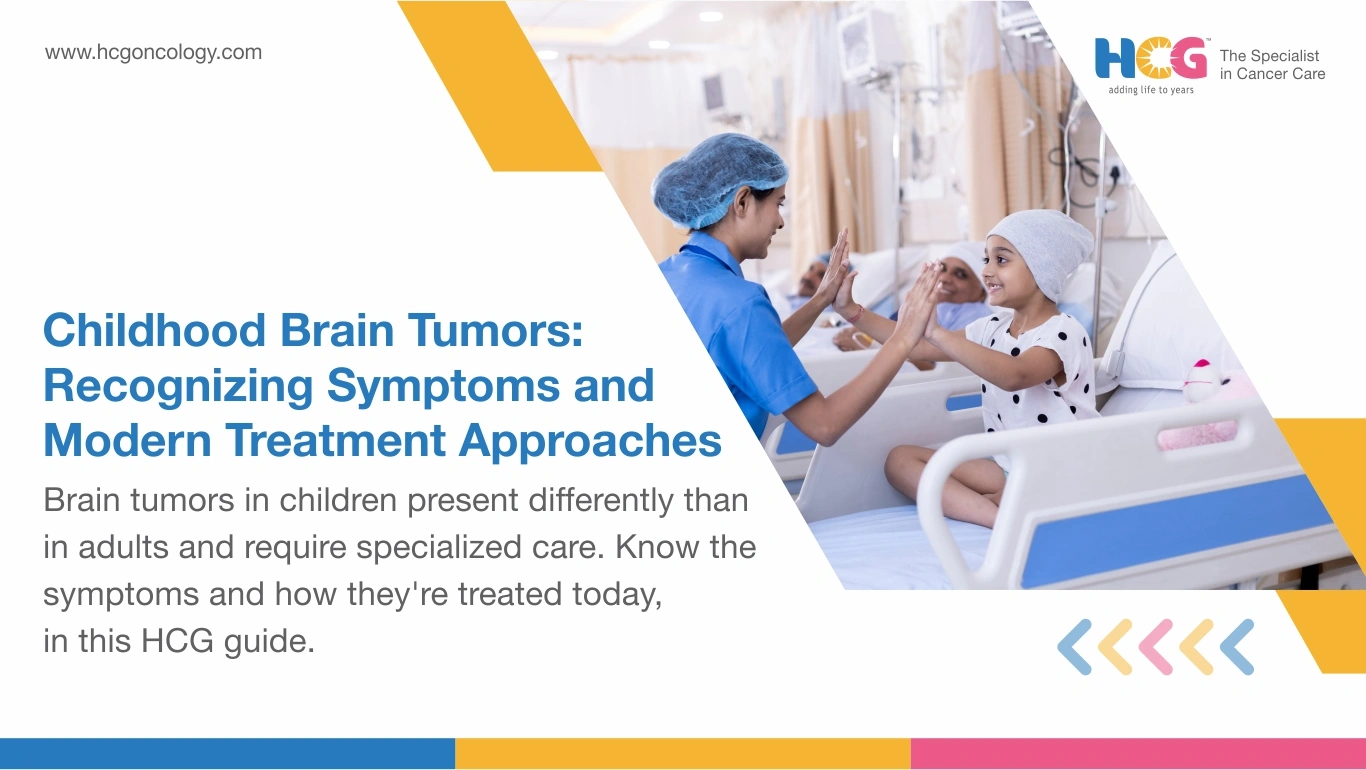
Brain tumors are the most common solid tumors in children. Catching pediatric brain tumor symptoms early changes everything. A morning headache that wakes a child from sleep, vomiting without any stomach illness, or a quiet decline in coordination are signals families need to recognize and act on immediately. Today's treatment approach centers on one goal: eliminating disease while protecting the brain that is still growing around it.
The symptoms experienced depends on where the tumor is located and the child's developmental stage. Commonly observed symptoms include:
Headache: A headache that builds overnight, peaks at dawn, then partially clears after vomiting is a clinically distinct pattern. It bears no resemblance to a typical migraine or tension headache.
Nausea: Nausea that appears on a predictable schedule, without any accompanying fever or stomach complaint, deserves neurological evaluation rather than reassurance.
Coordination Problems: A toddler who was walking confidently but now stumbles or a school-age child whose handwriting has quietly deteriorated over several weeks may be showing early cerebellar involvement. These changes are regularly attributed to fatigue or clumsiness, which is precisely why diagnosis is often delayed.
| Age Group | Key Warning Signs | What Parents Often Miss |
|---|---|---|
| Infants (0-2 yrs) | Bulging fontanelle, rapid head growth, persistent irritability | Attributed to teething or colic |
| Toddlers (2-5 yrs) | Milestone regression, wide-based gait, eye crossing | Mistaken for developmental delay |
| School-age (6-12 yrs) | Morning headaches, nausea, vision changes, school decline | Dismissed as stress or eyesight issues |
| Adolescents (13-18 yrs) | Persistent headaches, personality shifts, new-onset seizures | Attributed to puberty or anxiety |
No confirmed single cause exists for most pediatric brain tumors. That said, the following factors may increase the risk of brain tumor development in children:
For the vast majority of families, tumor development appears tied to spontaneous cellular changes that occur during the brain's rapid early growth phase. Parental behavior, diet, or environment is not an established contributing factor.
Once symptoms raise clinical concern, the diagnostic pathway moves through these steps:
Hydrocephalus develops when a growing tumor physically blocks cerebrospinal fluid from circulating normally through the ventricular system. Pressure builds inside the skull, and the resulting pattern of headache, vomiting, and visual disturbance is frequently what triggers the emergency department visit. Surgical intervention through tumor removal or a cerebrospinal fluid diversion procedure is usually the first clinical priority before any other treatment planning begins.
Surgical resection is the clinical foundation for most pediatric brain tumor cases. The operative objective is maximum safe removal, not simply partial debulking.
Intraoperative neuromonitoring and image-guided navigation allow HCG's neurosurgical team to work at anatomical precision, reducing post-operative neurological deficits while achieving the best possible tumor clearance.
At HCG, radiation therapy for children uses advanced techniques like IMRT and VMAT to sculpt the dose closely around the tumor, sparing as much healthy brain tissue as possible.
For a child whose brain is still developing, that precision has direct consequences: lower risk of cognitive impairment, growth hormone disruption, and secondary tumor formation over the following years.
Every treatment plan is designed through a multidisciplinary tumor board, because in pediatric care, getting this right from the start matters more than almost anything else.
Chemotherapy is sequenced with surgery and radiation based on tumor histology and age. In very young children, cranial radiation is often deliberately deferred to protect neurological development, placing greater reliance on chemotherapy during that period. Molecular profiling now enables targeted therapy in specific subtypes. BRAF inhibitors are used in low-grade gliomas carrying a confirmed BRAF V600E mutation, representing a meaningful shift away from broad cytotoxic approaches.
Recovery from pediatric brain tumor treatment is a structured, multi-year process. Cognitive rehabilitation addresses the attention, memory, and processing speed deficits that frequently emerge six to twelve months after treatment concludes. Neuropsychological assessments at defined intervals identify these changes early, when school-based and clinical interventions are most likely to be effective.
Physical and occupational therapy rebuild coordination and fine motor function disrupted by surgery or tumor location. Endocrine follow-up is non-negotiable for children who received cranial radiation; growth hormone deficiency and thyroid dysfunction are well-documented outcomes that require proactive monitoring. Nutritional counseling supports a child managing treatment-related fatigue and appetite suppression.
Psycho-oncology care extends to the entire family. Caregiver burnout is a clinically recognized risk, not a parental weakness. Peer support groups and structured counseling are embedded components of HCG's childhood cancer recovery program
When decisions need to be made, HCG Cancer Hospital helps by assembling pediatric neurosurgeons, radiation oncologists, neuropsychologists, and palliative specialists around a single review board before any treatment path is confirmed. Tumor biology, the child's developmental stage, and long-term quality of life all factor into every recommendation, not only the immediate disease response.
Next Steps for Your Doctor Visit:
Disclaimer: This information is intended to educate patients and caregivers. It does not replace professional medical advice. All treatment decisions should be made in consultation with a qualified doctor.
Feel free to reach out to us.