29 May, 2026
29 May, 2026
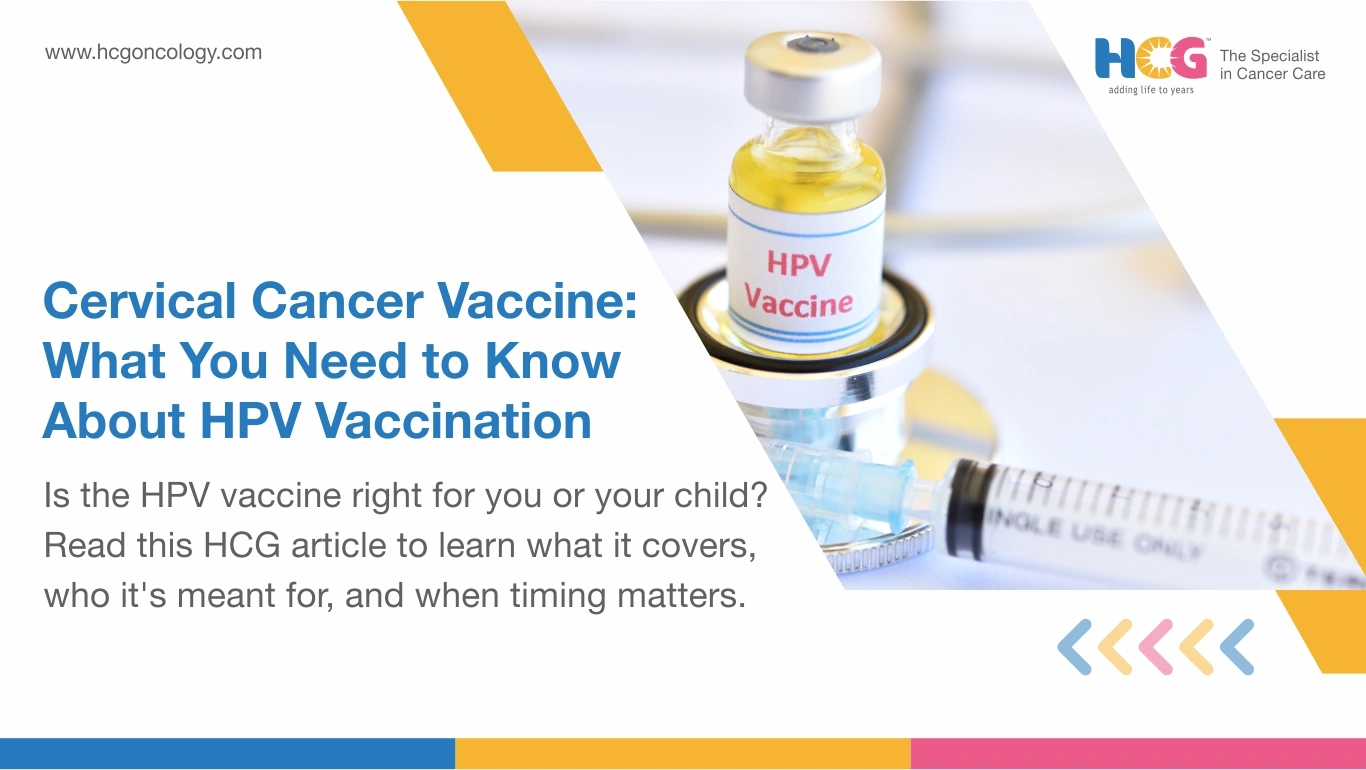
The HPV vaccine is a preventive vaccine that protects against the human papillomavirus (HPV), the main cause of cervical cancer. It works by training the immune system to recognize and block high-risk HPV strains, especially types 16 and 18, before they can infect the body and cause cell changes. It is most effective when given before exposure to the virus, usually in girls and boys aged 9 to 14.
The HPV vaccine targets high-risk strains of human papillomavirus that cause cervical cancer. HPV is a sexually transmitted infection and is extremely common. Most people will have HPV at some point with no symptoms. When high-risk strains such as HPV 16 or HPV 18 remain, they will gradually cause changes in the cells of the cervix. Vaccination primes the immune system before that process begins.
Cervical cancer is the fourth most common cancer in women worldwide, according to the World Health Organization (WHO). Nearly all cases are linked to persistent infection with high-risk HPV types, especially HPV 16 and 18. Globally, more than 80% of sexually active people are exposed to HPV at some point in their lives, making vaccination a critical preventive tool.
| Feature | Gardasil | Cervarix | Cervavac |
|---|---|---|---|
| Type | Quadrivalent | Bivalent | Quadrivalent |
| HPV strains covered | 6, 11, 16, 18 | 16, 18 | 6, 11, 16, 18 |
| Protects Against | Cervical cancer, genital warts, vulvar, vaginal, and anal cancers | Cervical cancer | Cervical cancer, genital warts |
| Cervical cancer prevention | Yes | Yes | Yes |
| Genital wart protection | Yes | No | Yes |
| Doses required | 2 or 3 (age-dependent) | 2 or 3 (age-dependent) | 2 or 3 (age-dependent) |
| Available in India | Yes | Yes | Yes (India-made, affordable) |
Gardasil covers four HPV strains, including those causing genital warts. Cervarix targets HPV 16 and 18 for cervical cancer prevention. Cervavac, India's own quadrivalent vaccine by the Serum Institute, offers similar coverage at a lower cost. A doctor will advise which vaccine suits the individual's age and health profile.
The HPV vaccine provides long-term protection against several serious conditions caused by human papillomavirus infection. Its benefits go beyond cervical cancer prevention and include protection against multiple HPV-related cancers and conditions.
HPV immunization is recommended for both males and females, girls and boys aged 9 to 14 before exposure, young adults up to age 26 who missed earlier vaccination, and adults between 27 and 45 following a doctor's assessment. A gynecologist can confirm eligibility based on age and health history.
Partial protection may still be possible after marriage if exposure to all covered strains has not occurred. The benefit is more limited compared to pre-exposure vaccination. A doctor can advise based on individual circumstances.
Ages 9 to 14 require two doses, six months apart. Ages 15 and above require three doses at 0, 1 to 2, and 6 months. Completing the full schedule is essential; partial vaccination reduces protection.
The vaccine is highly effective when given before virus exposure. Studies from the World Health Organization (WHO) and Centers for Disease Control and Prevention (CDC) show that the HPV vaccine provides more than 90% protection against infections caused by HPV types 16 and 18 when administered before exposure. Countries with high vaccination coverage have reported a significant drop in cervical precancer cases within a decade of vaccine introduction.
The HPV vaccine has been given to hundreds of millions of people over more than 15 years. The WHO, ICMR, and CDC confirm it is safe and well-tolerated. It contains no live virus and cannot cause HPV infection. More than 500 million doses have been distributed globally with no serious safety concerns identified.
The HPV vaccine is not recommended for everyone in all situations. Individuals should consult a doctor before vaccination if they have had a severe allergic reaction to a previous dose or any component of the vaccine. It should also be delayed in people who are moderately or severely ill at the time of vaccination. The vaccine is not recommended during pregnancy, although it is considered safe if given accidentally before pregnancy is known.
The HPV vaccine does not replace cervical cancer screening. Even after full vaccination, regular Pap smear tests are essential because the vaccine does not cover all cancer-causing HPV strains. Screening remains the only way to detect early cervical cell changes before they develop into cancer.
Myth:The HPV vaccine affects fertility.
Fact:The HPV vaccine has no impact on reproductive health in men or women. It has been extensively studied and found safe for individuals of reproductive age.
Myth: The HPV vaccine is only for girls.
Fact:The HPV vaccine is recommended for both boys and girls. In males, it protects against genital warts and HPV-related cancers, including anal, penile, and throat cancers.
Myth: Vaccination means no more Pap smears.
Fact:Screening remains necessary as the vaccine does not cover all cancer-causing strains.
Myth: The HPV vaccine is unsafe.
Fact:The HPV vaccine has been given to over 500 million people globally. The WHO, CDC, and ICMR consistently confirm it is safe and well-tolerated.
The vaccine significantly lowers cervical cancer risk from HPV types 16 and 18 but does not eliminate risk. Regular Pap smear and cervical cancer screenings remain necessary alongside vaccination.
The HPV vaccine and routine Pap smear together form the strongest defense against cervical cancer. At HCG Cancer Hospital, our specialists support women at every stage of their preventive health journey, from HPV vaccination guidance to cervical cancer screening.
Book an HPV vaccination consultation or cervical cancer screening at HCG Cancer Hospital. Our specialists can help you choose the right vaccine, understand eligibility, and stay protected through early preventive care.
Disclaimer: This article is for general informational purposes only and is not a substitute for professional medical advice, diagnosis, or treatment. Please consult a qualified healthcare provider for any questions regarding a medical condition.
Feel free to reach out to us.