02 May, 2026
02 May, 2026
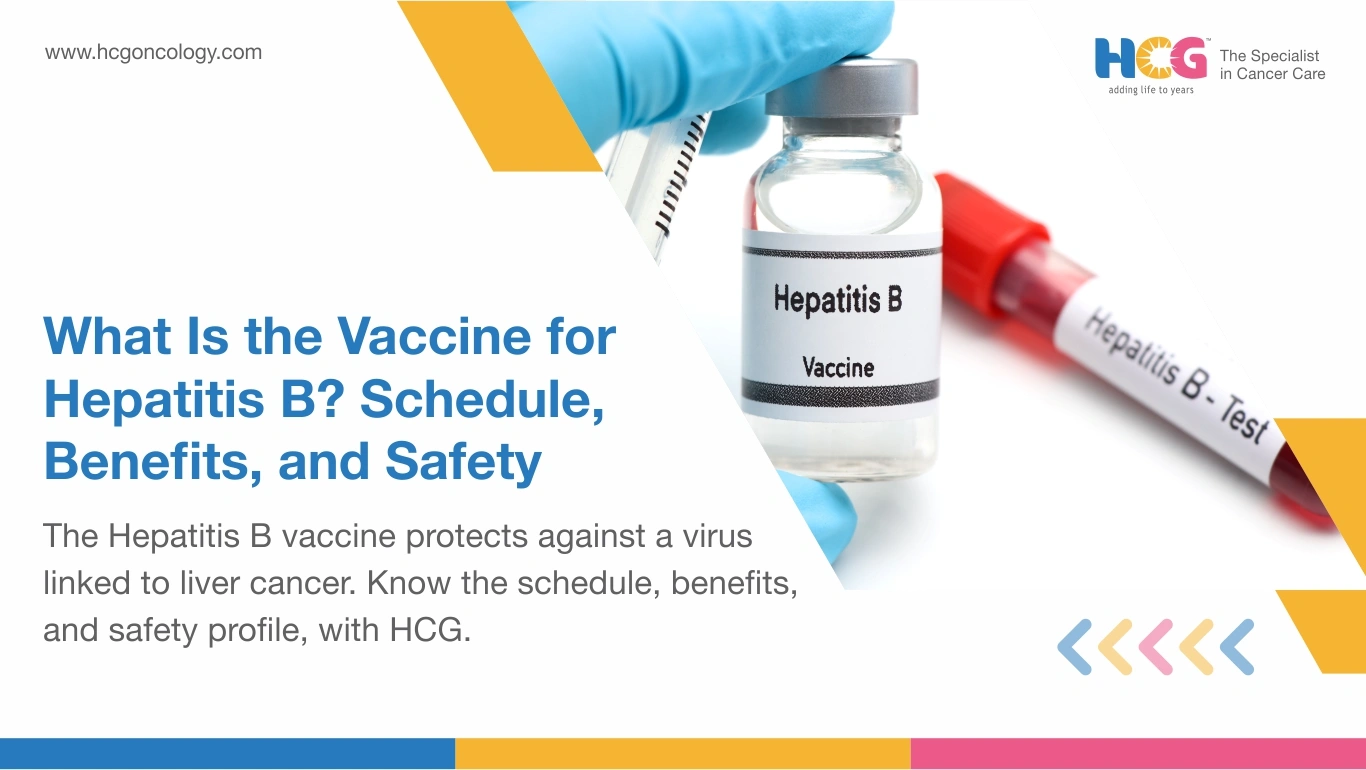
The vaccine for hepatitis B trains the immune system to block HBV infection before the virus reaches the liver. It does not contain any live virus. Instead, a laboratory-produced surface protein triggers the body to build its own antibodies. Three doses complete the protection. Globally, the hepatitis B vaccine is recognized as one of the most effective tools available for preventing both chronic liver disease and liver cancer. In India, it is part of the national immunization schedule from birth.
The hepatitis B vaccine is a recombinant vaccine. Rather than introducing any live virus, it delivers a single surface protein that teaches immune cells exactly what HBV looks like.
Once that protein enters the body, immune cells study it, manufacture matching antibodies, and file the blueprint away. If actual hepatitis B exposure happens later, those antibodies are already primed and ready to intercept the virus before it reaches liver tissue.
WHO data confirms that over 95% of people who complete the full dose series develop adequate antibody protection. That coverage guards against chronic infection, progressive liver scarring, and the liver cancer risk that follows long-term HBV persistence.
Completing this vaccine series is, in practical terms, one of the few direct ways to reduce your personal liver cancer risk.
The Hepatitis B vaccine is recommended for everyone. There are no exemptions for any age group.
Newborns should be vaccinated for hepatitis B as a priority. When a mother has hepatitis B, the virus can pass to her baby during delivery, and the early infection often becomes lifelong and chronic. A birth dose administered within 24 hours of delivery effectively closes this window.
An incomplete childhood series does not imply starting over. Your physician simply continues from the last dose given.
India's National Immunization Schedule recommends three doses: at birth within 24 hours, at 6 weeks, and at 14 weeks. Adult catch-up vaccination follows a 0-, 1-, and 6-month schedule.
| Recipient | Dose 1 | Dose 2 | Dose 3 |
|---|---|---|---|
| Newborns (NIS) | At birth, within 24 hrs | 6 weeks | 14 weeks |
| Adults, catch-up | Day 0 | 1 month | 6 months |
| High-risk adults | Day 0 | 1 month | 6 months |
Partial vaccination is not enough. All three doses are required to build consistent, reliable antibody coverage. A missed dose does not restart the series. It simply continues from where it left off.
The hepatitis B vaccine and the hepatitis vaccines are completely separate products. Each targets a different virus entirely. One offers no cross-protection against the other.
Protection from the complete 3-dose series exceeds 95% across both infants and young adults. WHO places it among the most reliably effective vaccines within routine global immunization.
The population evidence is compelling. Nations that achieved strong childhood vaccination rates over several decades watched chronic hepatitis B prevalence drop sharply. A virus that once moved silently through communities became far less clinically significant as immunization coverage rose.
For India, where chronic HBV infection contributes meaningfully to the national liver disease burden, the case for completing the schedule is straightforward and well-supported by decades of outcome data.
Common reactions include mild injection-site soreness, a low-grade fever, and brief fatigue. Most people recover fully within 48 hours. Serious allergic reactions are rare.
The majority of recipients feel nothing beyond a slightly tender arm for a day. In infants, mild warmth at the injection site or short-lived irritability may appear. Both are signs of a normal immune response, not a cause for concern.
Anaphylaxis is documented but uncommon. Clinical settings where vaccination occurs are equipped to manage immediate adverse reactions. Before every dose, HCG clinical teams carry out a brief pre-vaccination check to confirm no contraindications are present.
A cool compress over the injection site is almost all that people need for comfort. No further intervention is typically required.
Normal activity resumes immediately after each dose. No recovery period is required.
Healthy individuals completing the standard schedule do not need routine follow-up testing. Healthcare workers and immunocompromised patients may benefit from post-vaccination serology, which measures antibody levels to confirm adequate protection has developed. An antibody titer test (also called anti-HBs testing) is the standard measure used. A physician can advise whether this applies based on individual risk.
Government programs: Under India's Universal Immunization Programme, the hepatitis B vaccine is provided free of charge at government health centers for newborns and eligible infants.
Private healthcare settings: Per-dose costs range from approximately ₹100 to ₹1,500, depending on brand and facility.
| Aspect | Hepatitis B Vaccine | Hepatitis A Vaccine |
|---|---|---|
| Target virus | Hepatitis B virus (HBV) | Different virus (Hepatitis A virus) |
| Cross-protection | Does not protect against hepatitis A | Does not protect against hepatitis B |
When decisions need to be made about preventive health, HCG helps by connecting patients with the right clinical guidance at the right time. The hepatitis B vaccine is one of medicine's most proven interventions, offering documented protection against chronic liver disease and liver cancer across all age groups. For India, where the hepatitis B burden remains clinically significant, completing the full vaccination schedule is a simple step with long-term consequences. Whether you are confirming a newborn's birth dose or addressing a missed series from childhood, the right time to act is now. Speak with a physician and close this gap in your protection.
World Health Organization. Hepatitis B vaccines. who.int/news-room/questions-and-answers/item/hepatitis-b-vaccines
Centers for Disease Control and Prevention. Hepatitis B Vaccine Information Statement. cdc.gov/vaccines/hcp/vis/vis-statements/hep-b.html
NHS UK. Hepatitis B Vaccination. nhs.uk/conditions/vaccinations/hepatitis-b-vaccination/
Mayo Clinic. Hepatitis B Vaccine: What You Need to Know. mayoclinic.org/drugs-supplements/hepatitis-b-vaccine-intramuscular-route/description/drg-20062418
World Health Organization. Hepatitis B Fact Sheet. who.int/news-room/fact-sheets/detail/hepatitis-b
Disclaimer: This information is intended to educate patients and caregivers. It does not replace professional medical advice. All treatment decisions should be made in consultation with a qualified doctor.
Feel free to reach out to us.