30 Jul, 2026
30 Jul, 2026
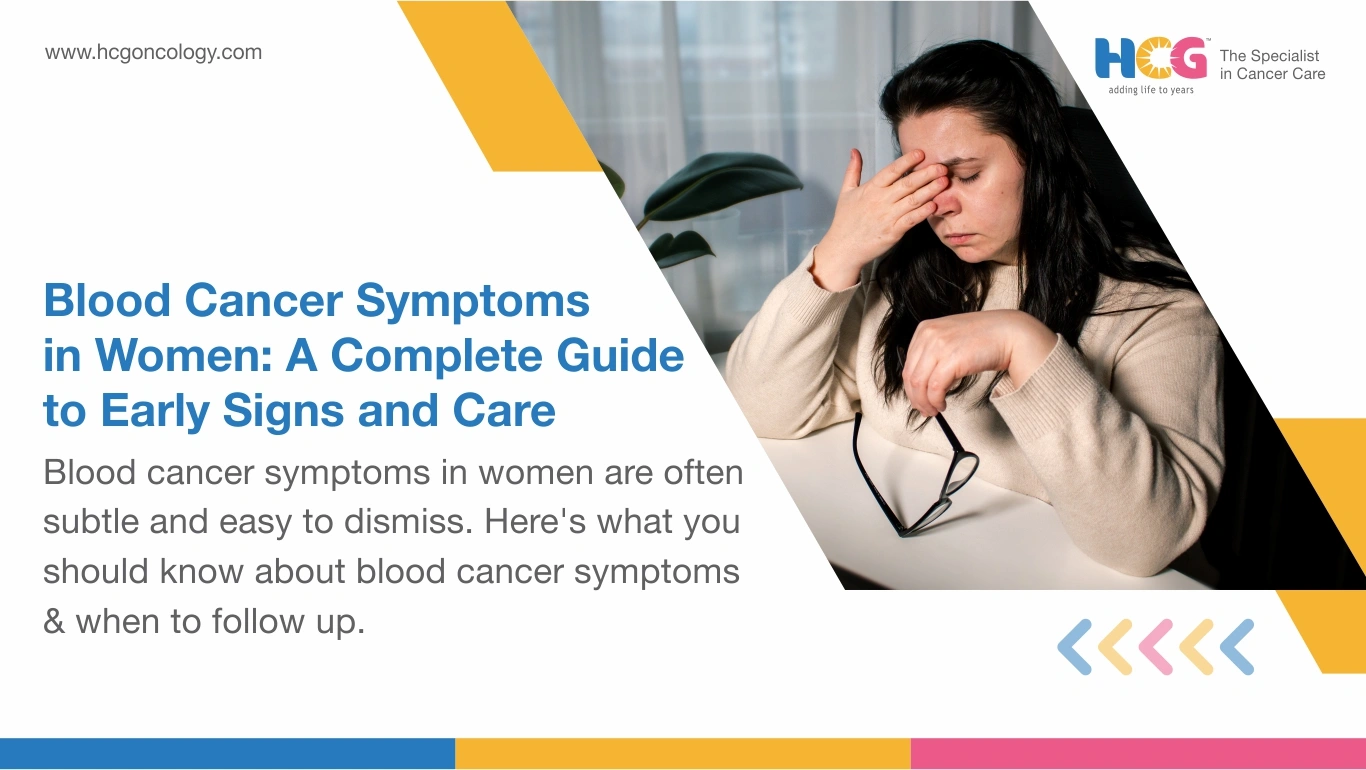
Blood cancer symptoms in women refer to early warning signs caused by abnormal growth of blood-forming cells in the bone marrow or lymphatic system, often affecting red cells, white cells, and platelets.
According to the Indian Council of Medical Research and GLOBOCAN 2022 estimates, blood cancers, including leukemia and lymphoma, contribute significantly to the cancer burden in India, with thousands of new cases diagnosed each year. Early recognition of symptoms such as fatigue, infections, and unexplained bruising can improve diagnosis and outcomes.
Blood cancer in females begins in the bone marrow or lymphatic system, where blood cells are produced. In this condition, abnormal cells grow uncontrollably and interfere with the production of healthy red blood cells, white blood cells, and platelets.
In women, these changes may sometimes overlap with menstrual symptoms, which can delay recognition.
Common symptoms of blood cancer in women include:
These are the clues. Not all show up together. Sometimes only one. Symptoms that persist for more than two to three weeks or appear in combination should be evaluated by a doctor promptly.
Persistent fatigue is not just being tired. It's waking up tired. It's eight hours of sleep that feels like three. When the bone marrow makes fewer red blood cells, the body runs short on oxygen, and the engine slows. A simple CBC test can flag it.
Repeated infections like sinus, bladder, or chest issues may signal a weakened immune system and should be checked by a doctor.
When platelets drop, the blood loses its glue. So a small knock leaves a purple mark across the skin. Gums bleed when you brush. A paper cut won't quit. None of this is normal.
Blood cancers such as leukemia and lymphoma can present differently. The comparison below helps distinguish their common symptom patterns.
| Feature | Leukemia Symptoms | Lymphoma Symptoms |
|---|---|---|
| Where it starts | Bone marrow | Lymph nodes |
| Early flags | Fatigue, infections, bruising | Swollen lymph nodes, night sweats, itching |
| Body signs | Bone pain, pale skin | Enlarged spleen, enlarged liver |
| Female-specific clues | Heavy bleeding, gum issues | Abdominal fullness, weight drop |
Deep ache in the ribs or hips. Shortness of breath and leukemia often arrive as a pair since anemia tags along. Tiny red dots, called petechiae, sometimes appear on the lower legs. Women who are athletic may chalk it up to overtraining. It's usually not that.
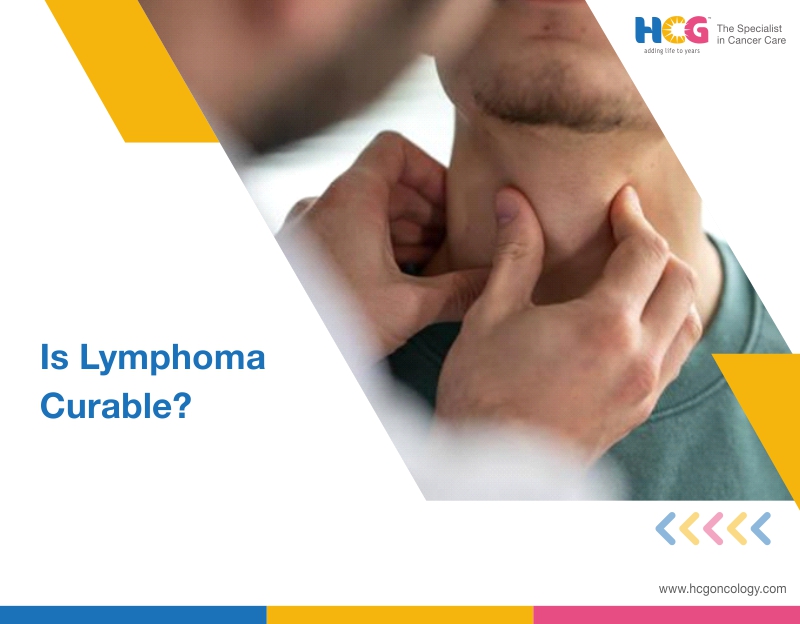
Skin itching is another symptom that can be associated with the development of lymphoma, in particular, with Hodgkin's lymphoma. When it comes with heavy night sweats, it may need medical attention.
Bone marrow cancer and blood cancer may cause persistent bone pain that does not improve with rest or standard pain relief. It is often deeper, and blood cancer may cause persistent bone pain that does not improve with rest or standard pain relief. It is often deeper and different from muscle soreness. even when treated with pain relievers. This is normally worse at night and is different from muscle pain after exercise.
Blood cancer doesn't have a single cause. Radiation exposure, past chemotherapy, prolonged chemical contact, and certain viral infections all raise the odds. Sometimes the immune system itself misfires. Whether hormonal shifts in women add to that picture, researchers are still working that out.
Family history matters. So do smoking, obesity, and living with autoimmune conditions. Risk climbs after 60, but blood cancer doesn't spare younger women. No age group is fully off the list.
How is blood cancer diagnosed?
It often starts with a CBC, a routine blood test that reveals when cell counts are off. From there, a bone marrow biopsy, flow cytometry, or PET scan helps pin down what type it is and how far it's spread. Finding it early genuinely changes what's possible.
Routine screening doesn't exist for most blood cancers the way it does for breast or cervical cancer. But if your mother had it, or you've been through prior cancer treatment, or something just feels persistently wrong, talk to your doctor about getting periodic blood work done. Don't wait for a formal recommendation.
Chemotherapy for blood cancer follows protocols built around disease type, age, and how the body tolerates the load. Some regimens are oral, some intravenous, some both.
Immunotherapy teaches the immune system to recognize cancer cells and attack them. Targeted therapy blocks the molecular pathways cancer relies on. Both have improved outcomes in multiple studies (ASCO, NCCN) across several blood cancer subtypes.
A bone marrow transplant swaps diseased marrow for healthy stem cells, either from a donor or from the patient's own stored cells. The Hemato-Oncology and BMT department at HCG Cancer Hospital handles these cases through the National Tumor Board, with Triesta Sciences supporting the diagnostic side.
Treatment is one chapter. Recovery is another. Nutrition support, fertility guidance for younger women, mental health care, and follow-up checks. Lifestyle changes during blood cancer treatment, such as gentle movement, balanced meals, and careful infection control, all of it helps daily life feel less consuming. Women's Cancer Care should never end at the discharge slip.
Blood Cancer Care at HCG Cancer Hospital: Expert Treatment
If you notice symptoms such as persistent fatigue, frequent infections, or unusual bruising, early evaluation can make a significant difference.
At HCG Cancer Hospital, specialists focus on timely diagnosis and accurate testing to identify blood cancers at an early stage. Speak to an expert for a detailed assessment and appropriate next steps.
Disclaimer: This article is for general informational purposes only and is not a substitute for professional medical advice, diagnosis, or treatment. Please consult a qualified healthcare provider for any questions regarding a medical condition.
Feel free to reach out to us.