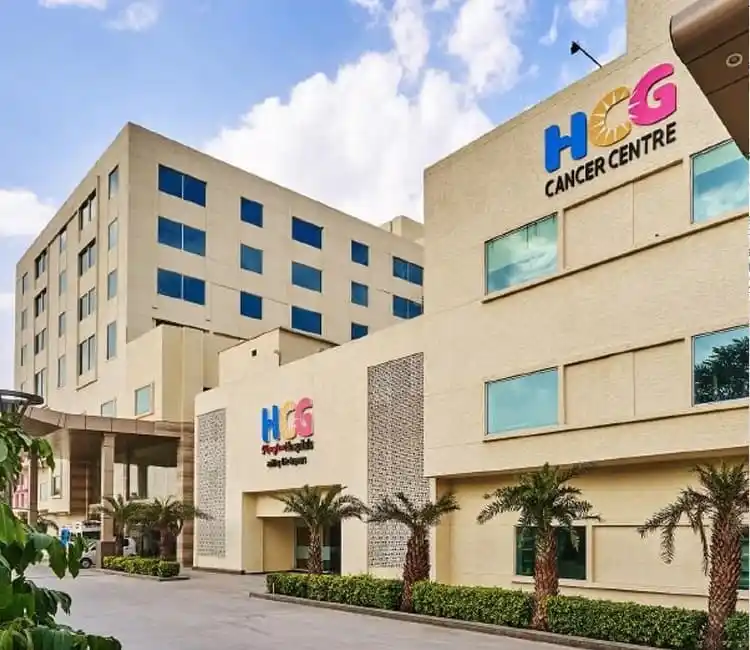
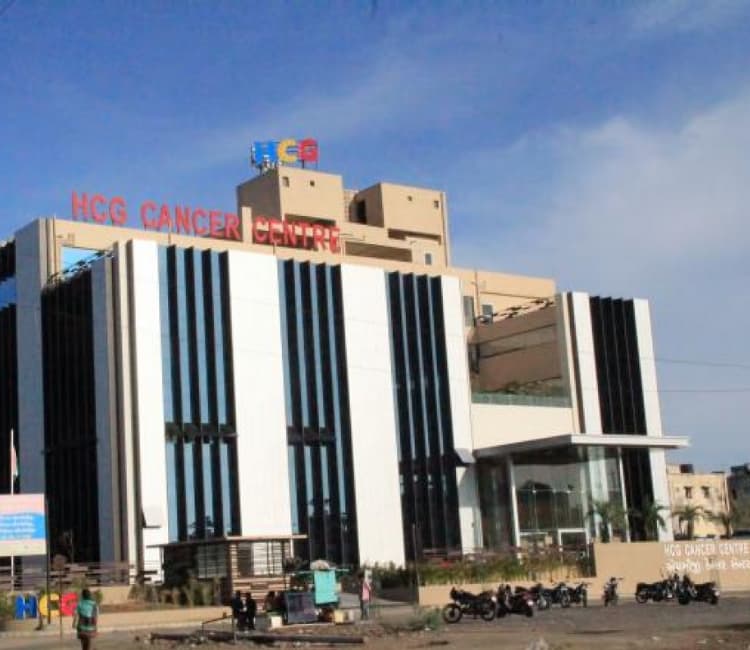
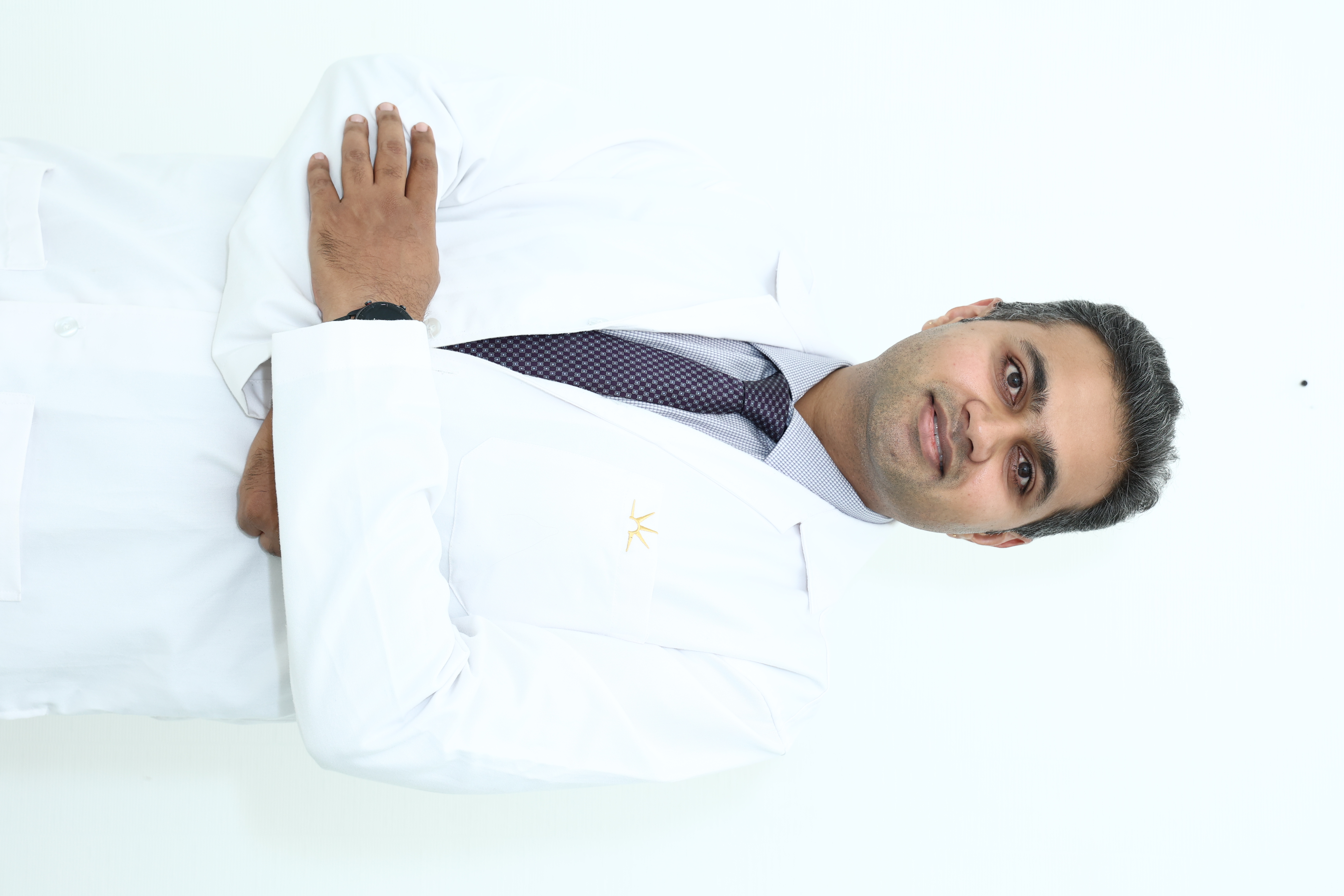
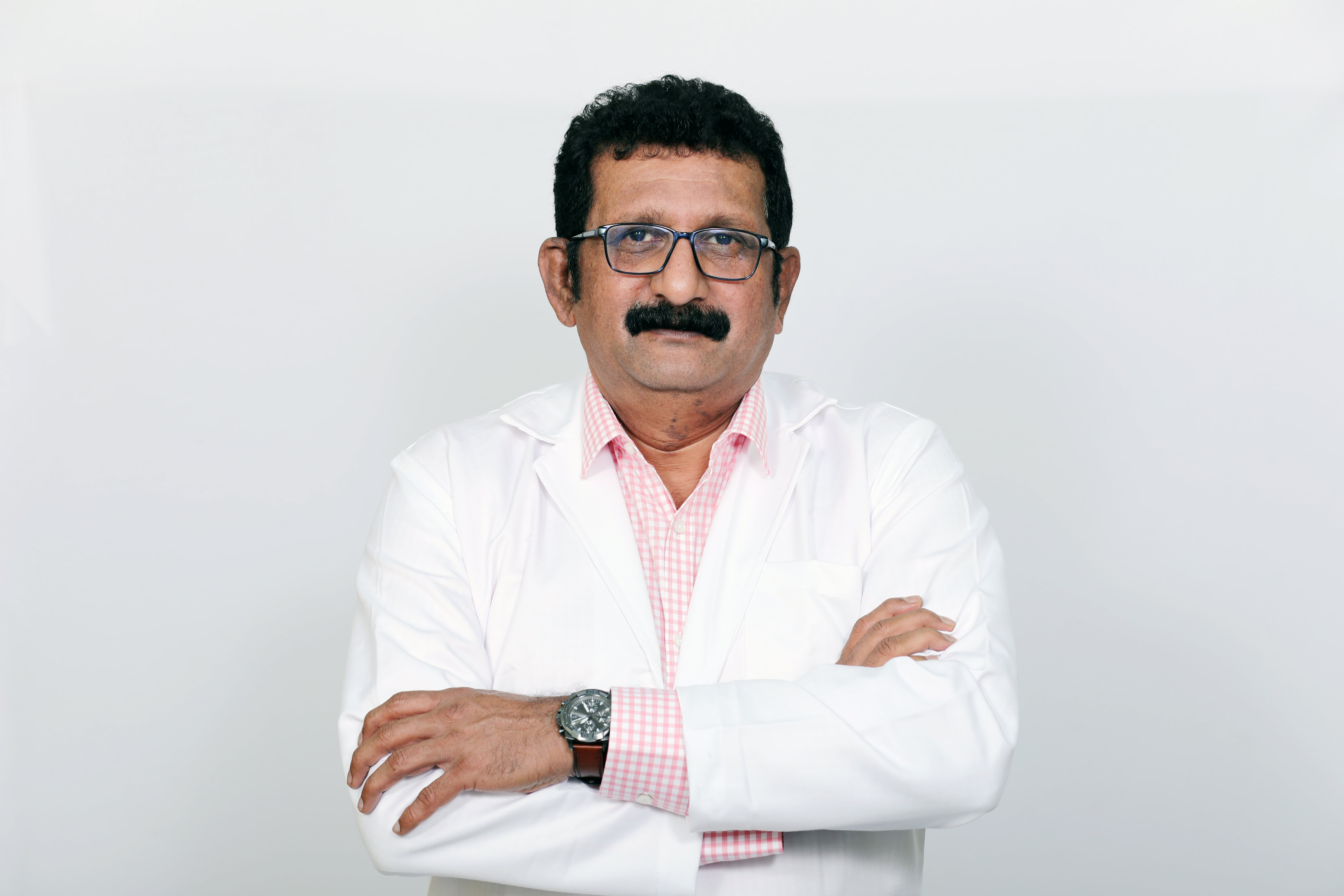
Looking for a surgical oncologist in India? HCG has surgical oncologists at centres across the country who treat solid tumours, using open surgery, minimally invasive techniques, robotic surgery and organ-preserving approaches depending on the case.
Each surgeon works alongside medical oncologists, radiation oncologists, radiologists and pathologists to plan treatment based on the cancer type, stage and the patient's overall health.
Finding the right specialist is one part of the decision — it also helps to know what kind of expertise, technology and team support backs up the surgery itself. Here's what sets surgical oncology care at HCG apart.
HCG's surgical oncologists have been operating on cancer for more than 35 years, handling a high volume of cases year-round. Complex cancer surgery is routine here, not something the team has to prepare for as an exception.
Many surgeons also focus on a single organ system. The breast surgeon handles breast cases, for instance, building a depth of experience that a broader practice doesn't allow for.
Decisions are never made by one person alone. Each case goes before a tumor board first, where surgeons sit down with radiologists and pathologists. That is multidisciplinary cancer care in its real form. From there, robotic platforms, keyhole instruments and live imaging make organ-sparing surgery possible.
The plan is always explained to the patient and adjusted to fit their situation, rather than applied as a fixed template.
Solid tumors are the surgical oncologist's territory, and they turn up in almost every organ. The operation shifts with site and stage. The goal might be full removal, or clearing the lymph nodes, or easing what the tumor is doing when a cure is off the table. Healthy tissue is spared wherever the disease allows.
HCG's surgeons work across the following:
Cancer surgery treatment at HCG stretches from open operations to highly precise ones. The surgeon weighs the tumor, its stage, and your health, then chooses. The main options:
The surgeon sits at a console and steers slim instruments through a few small ports. That is robotic cancer surgery, and it tends to mean smaller wounds, less blood lost, and a faster trip home.
No big opening. Minimally invasive cancer surgery slides a camera and narrow tools through small cuts, and recovery usually beats open surgery for speed and comfort.
Take the cancer and leave the organ. That is the idea behind organ preservation surgery, which guards things like speech, swallowing, or the use of a limb, depending on where the tumor sat.
Pulling out a tumor can leave a hole or change how a body part works. Reconstructive cancer surgery puts it back together, most often after breast or head and neck procedures.
When a cancer has scattered through the abdomen, this operation strips out as much as can be safely reached, usually as the opening act of a longer surgery.
Palliative cancer surgery is performed to relieve symptoms such as pain, bleeding or obstruction when removing the cancer completely may not be possible. Palliative cancer surgery settles pain, clears a blockage, or stops bleeding so a patient lives more comfortably.
Straight after cytoreductive surgery, heated chemotherapy is washed through the open abdomen to hit the stray cancer cells too small to see.
The work starts long before the operation and runs long after. At the first consultation, your surgeon reads through the scans and reports and tells you honestly what surgery can reach and what it cannot.
A second opinion is welcome at this stage, and HCG offers one with no pressure to proceed. Then comes staging, where tests fix the cancer type and its spread. From there the plan is drawn around your case and your general health, and the surgery follows in whatever technique suits the case.
Recovery is its own stretch of work. The early days mean wound care, pain control, and close watching. Rehabilitation rebuilds strength for daily life. And the follow-up runs for years, each visit checking that nothing has returned.
Surgical oncology care extends from the initial consultation and treatment planning through surgery, recovery and long-term follow-up. Here is what patients can generally expect during their care journey at HCG.
Initial surgical consultation: Your surgeon reviews your scans and reports and explains what surgery can and cannot do.
Second opinion consultations: If you want another view first, HCG offers second opinions before any decision is made.
Diagnosis and staging assessment: Tests confirm the cancer type and how far it has spread.
Personalized surgical planning: The operation is mapped to your specific diagnosis and overall health.
Surgical treatment: The procedure is carried out using the technique chosen for your case.
Post-operative care: Wound care, pain relief, and close monitoring fill the first days after surgery.
Recovery and rehabilitation: Structured support helps you rebuild strength and return to daily life.
Long-term follow-up care: Regular checks watch for any sign the cancer has returned.
HCG surgical oncologists are available across cancer centres in Bengaluru, Mumbai, Ahmedabad, Kolkata, Jaipur, Nagpur, Ranchi, Vadodara, Visakhapatnam and other Indian cities. Use the doctor listings above to compare each specialist’s qualifications, experience, area of expertise and hospital location.
Feel free to reach out to us.




.png)