30 Jul, 2026
30 Jul, 2026
The Indian Council of Medical Research (ICMR) consistently flags cervical cancer among the top gynecologic cancers detected at an advanced stage, and the gap between early and late detection is not a clinical problem. It is an awareness problem.
The early signs of cervical cancer do not look like cancer. They look like a hormonal shift. A passing infection. A menstrual irregularity that came and went before anyone thought to investigate. Doctors see this pattern repeatedly: cervical cancer warning signs were present for months, but each one had a simpler explanation at the time.
That is where women's health education becomes clinical. The early warning signs of cervical cancer, when caught and evaluated promptly, are what keep a manageable condition from becoming a complex one.
Cervical cancer remains one of the leading cancers affecting women globally. The WHO reports more than 600,000 new cases annually, while India continues to contribute a significant share of the burden. Limited screening access and delayed diagnosis remain major reasons many cases are detected at advanced stages.
The symptoms of early cervical cancer feel like things women already know. Hormonal fluctuations. A recurring pelvic ache. Discharge that changes slightly. Early cervical cancer symptoms are often mild and may resemble common gynecological concerns, which makes them easy to overlook.
Abnormal vaginal bleeding turns up repeatedly in cervical cancer histories. Mid-cycle. After sex. After a routine internal exam. Volume is usually not dramatic, which gives women reason to wait. Waiting is where the opportunity gets lost.
Oral contraceptives and hormonal shifts can both cause it. Spotting that follows intercourse, lands outside any expected window, or appears post-menopause needs investigation.
Signs of cervical cancer after menopause start with one fact: any vaginal bleeding after periods end falls outside what is normal. Watery vaginal discharge and pelvic discomfort are also reported. A Pap smear alongside HPV screening is where evaluation begins.
Pelvic pain associated with cervical cancer may appear as heaviness in the lower abdomen or discomfort during intercourse. Alongside abnormal vaginal bleeding or vaginal discharge changes, this combination is what gynecologic oncology teams investigate without delay.
Certain patterns raise cervical cancer risk. Knowing them supports better preventive healthcare:
Risk factors do not guarantee disease. They make skipping preventive healthcare a worse bet.
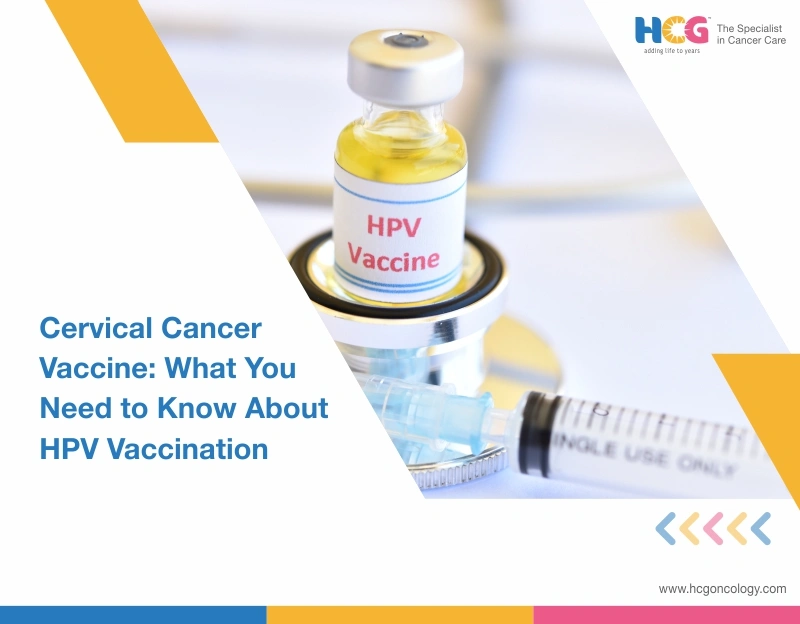
Human papillomavirus sits behind most cervical cancer diagnoses. HPV infection is sexually transmitted, widespread, and produces no symptoms in most carriers. High-risk variants push cervical tissue toward precancerous lesions quietly over the years. Because HPV symptoms in women are essentially nonexistent, vaccination and consistent checkups are the strongest defense.
Early symptoms of HPV infection in females are, in most cases, simply absent. Low-risk strains occasionally produce small painless lumps, unrelated to cancer-causing variants. High-risk HPV behaves silently, which is why cervical screening is a clinical obligation.
Since persistent high-risk HPV infection is the leading cause of cervical cancer, understanding its silent progression helps explain why regular screening matters even without symptoms.
Years before symptoms appear, in many cases. A Pap smear reads cellular shifts not yet crossed into malignancy. Routine screening captures exactly that lead time.
Yes, consistently in early stages. A woman can feel perfectly normal and still carry an abnormal Pap smear result. Delaying evaluation may postpone diagnosis and treatment.
Pap smear testing is recommended from age 21, with earlier cervical screening for higher-risk women. From 30 onward, pairing with an HPV DNA test every five years is standard. ICMR recommends starting at 25 in India, given the higher HPV prevalence. Pap smear abnormalities are not automatically cancer. Inflammation, minor infections, and low-level precancerous changes all produce flagged results that colposcopy or HPV typing sorts through.
| Symptom or Test | Cervical Cancer | HPV Infection |
|---|---|---|
| Abnormal bleeding | Present from mid-stage | Rarely seen |
| Vaginal discharge | Watery with odor | Minimal or absent |
| Pelvic pain | A recurring feature | Not typical |
| Pap smear result | Dysplasia possible | Frequently normal |
| HPV DNA test | High-risk strains detected | Positive |
At HCG Cancer Hospital, gynecologic oncology and surgical oncology share the same building and patient files. Triesta Sciences handles diagnostics, and the National Tumor Board reviews complex cases.
HCG offers cervical cancer screening, diagnostic evaluation, and access to gynecologic oncology teams across its cancer centers. Book a Cervical Cancer Screening Consultation.
Disclaimer: This article is for general informational purposes only and is not a substitute for professional medical advice, diagnosis, or treatment. Please consult a qualified healthcare provider for any questions regarding a medical condition.
Feel free to reach out to us.